
Blanton Museum of Art to Exhibit Works by Edward Hopper, Georgia O’Keeffe and Alma Thomas
More than 80 American modernist paintings from Charles Butt’s private collection make their public debut in Austin this spring
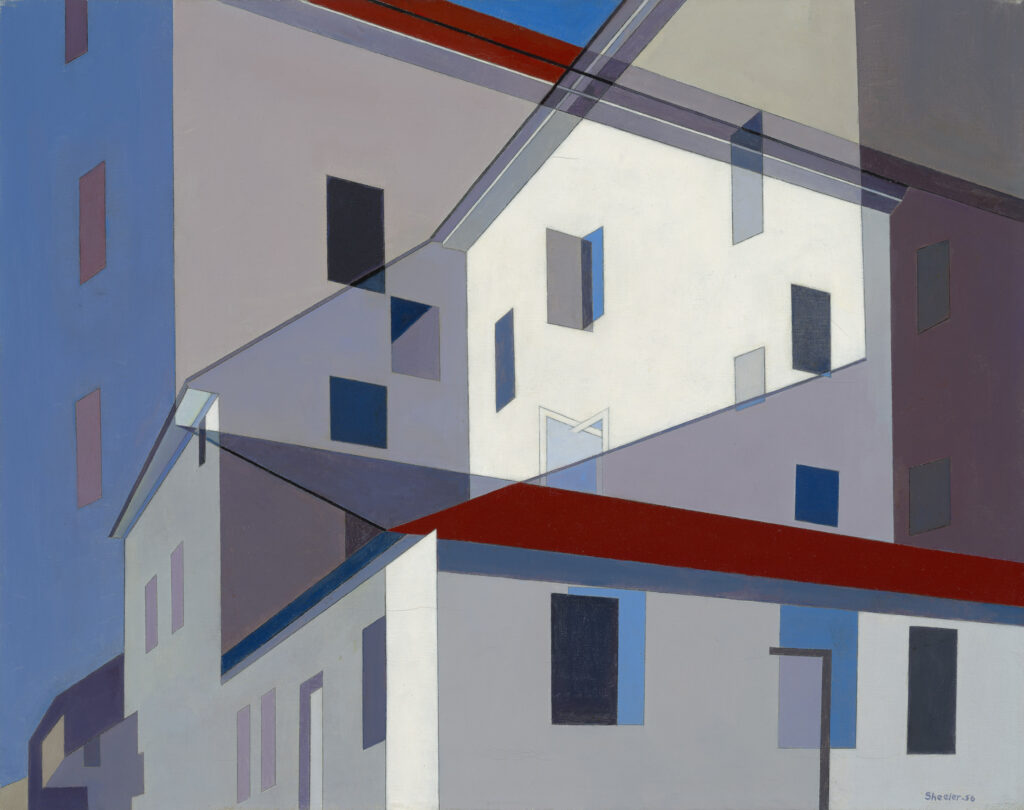
A major private collection of American modern art will go on public display for the first time this spring in Austin. Opening March 8 at the Blanton Museum of Art, “American Modernism from the Charles Butt Collection: From Edward Hopper to Alma Thomas” brings together more than 80 paintings and works on paper spanning the late 19th century through the 1970s. Organized by the Amon Carter Museum of American Art, the exhibition is the first dedicated to the collection of Texas businessman, philanthropist and H-E-B Chairman Charles Butt. It remains on view through Aug. 2 as part of a multicity Texas tour.
The exhibition features works by some of the most significant artists of the era, including Edward Hopper, Georgia O’Keeffe, Jacob Lawrence, Joan Mitchell and Alma Thomas.
“We are honored to bring this extraordinary collection to Austin,” said Simone Wicha, director of the Blanton Museum of Art. “Charles Butt’s vision as a collector reflects his deep belief in expanding access to art and education—a mission we share at the Blanton. We look forward to sharing these remarkable works, many of which have never been seen outside his private collection.”
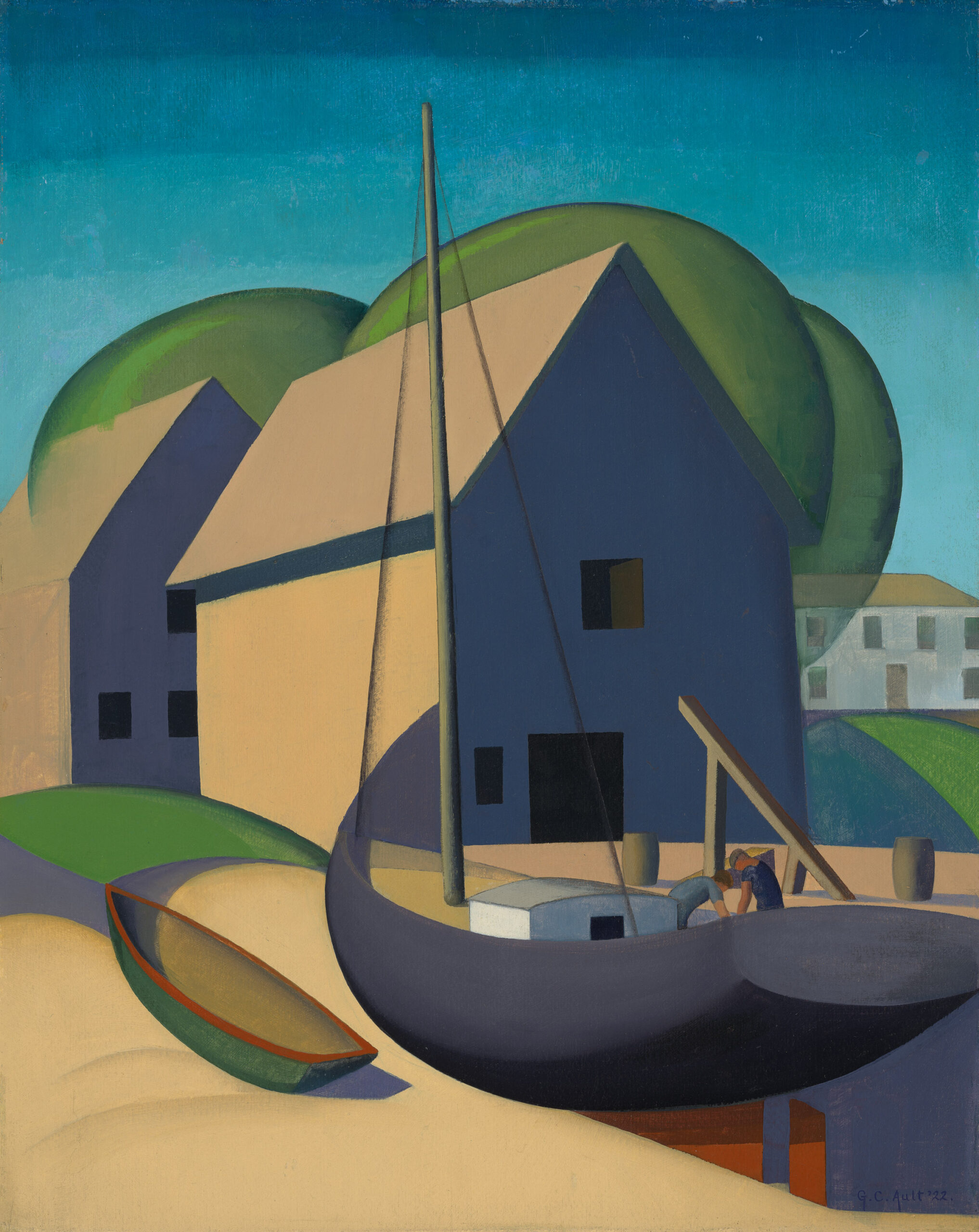
Icons and ideas of American Modernism
The Blanton organizes the exhibition into seven thematic sections tracing key movements and ideas in American modernism. “Breaking Form: Cubism and Its Legacy” examines how artists such as Arthur Dove and Stuart Davis absorbed and reinterpreted Cubist strategies. “Precisionism” focuses on artists including Charles Sheeler and Charles Demuth, who applied geometric clarity to industrial and architectural subjects.
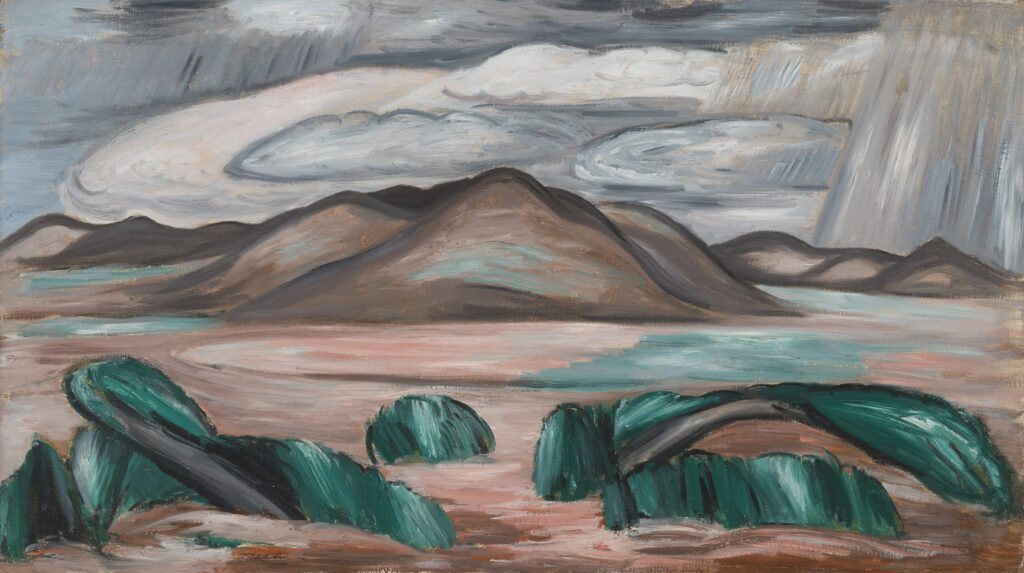
“Urban Encounters” explores the psychological dimensions of city life through works by Hopper, Marsden Hartley and Alice Neel. A smaller section, “Intimate Perspectives,” centers on portraiture and personal relationships, featuring artists such as Bill Traylor, Rufino Tamayo and Milton Avery.
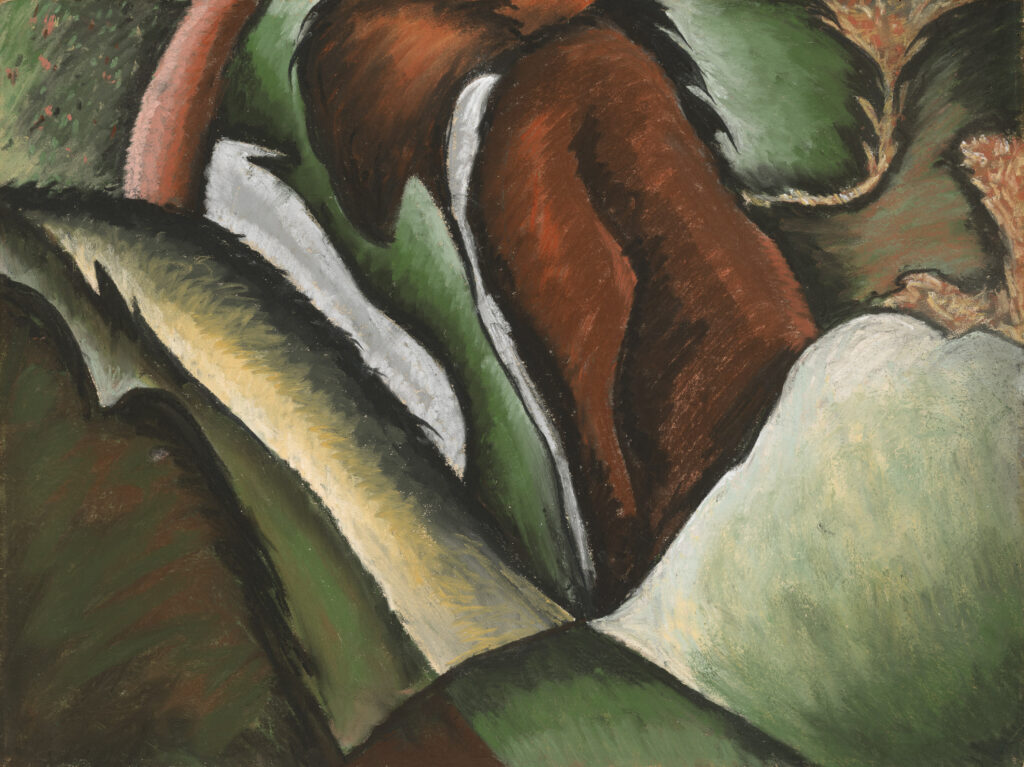
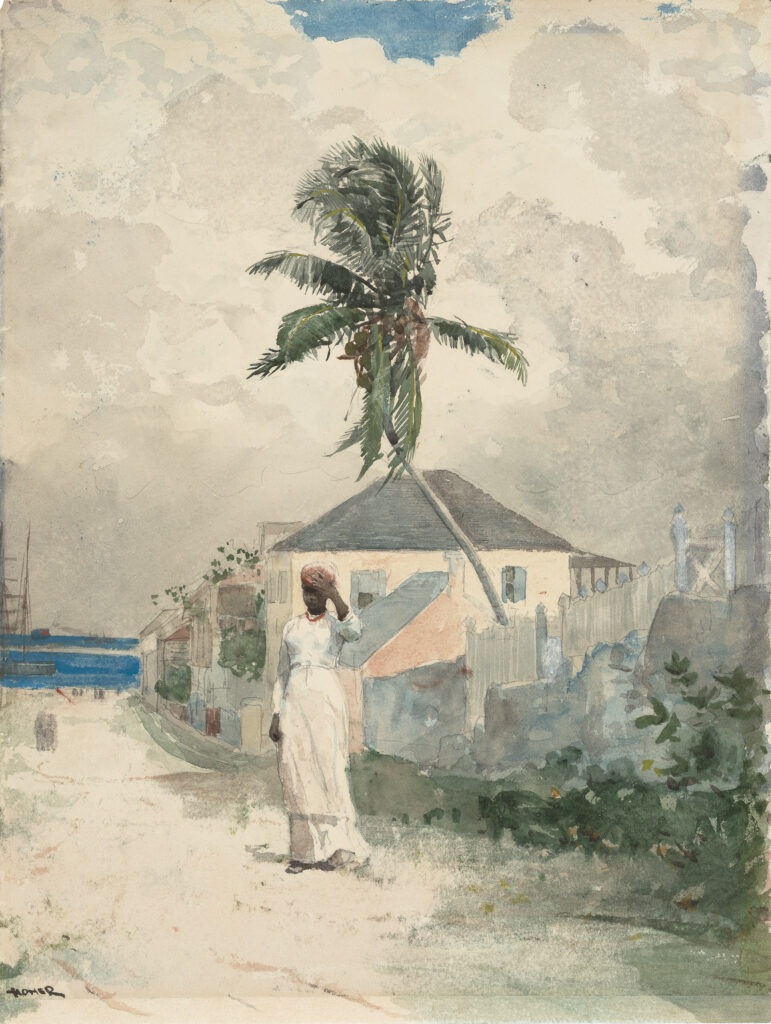
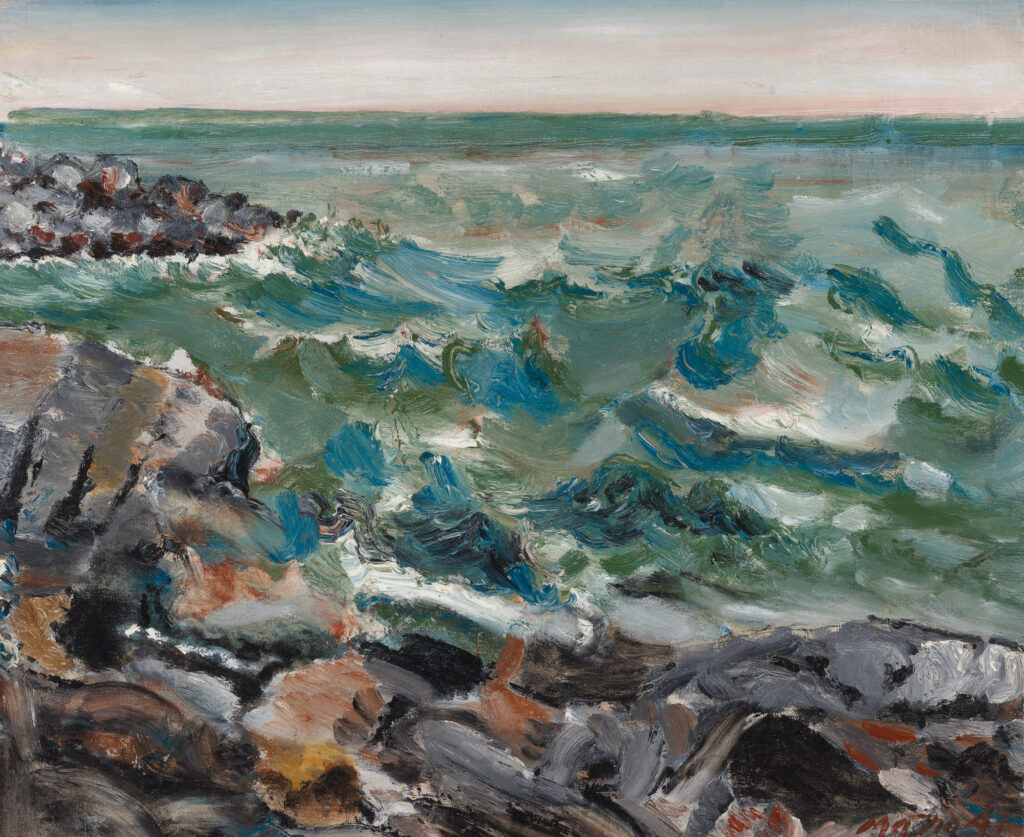
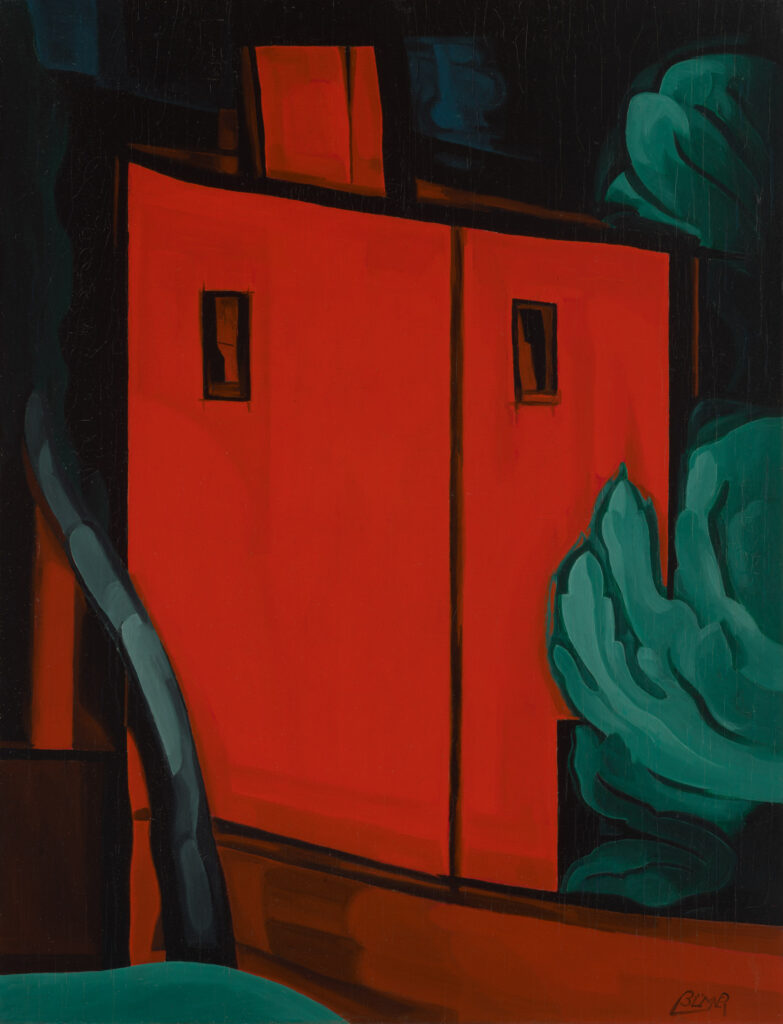
Texas tour
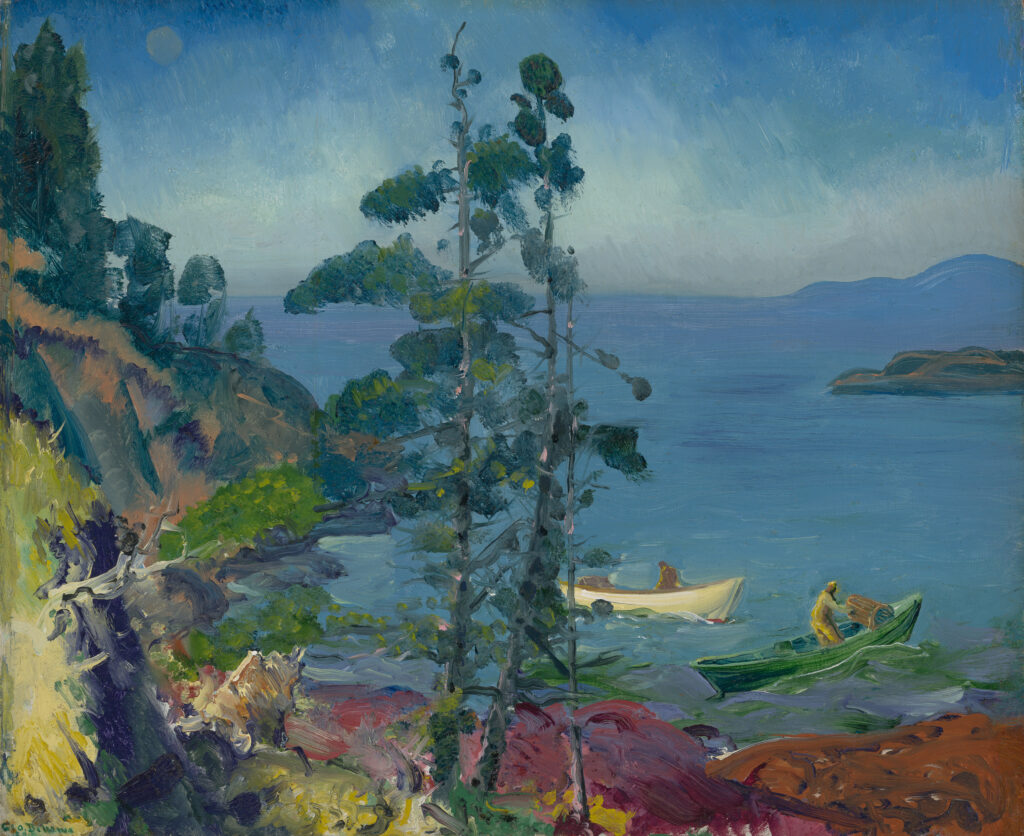
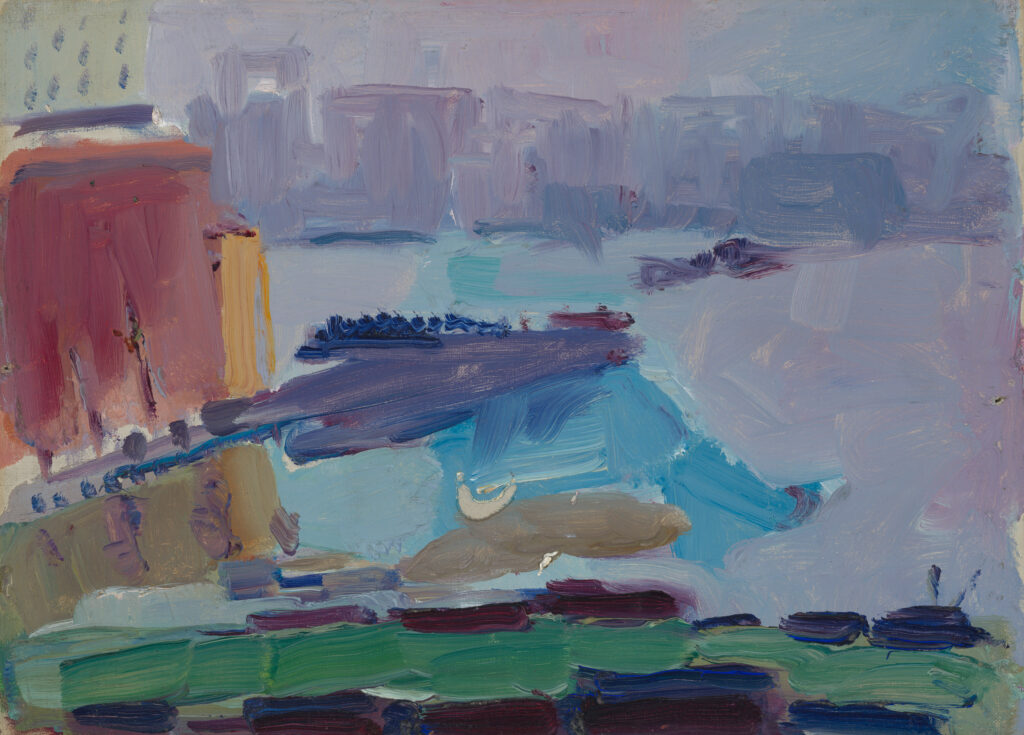
Two sections focus on landscape and environment. “The Language of the Sea” nods to Butt’s Gulf Coast childhood in Corpus Christi, moving from realist seascapes to Thomas Hart Benton’s “Flight of the Thielens.” “Land Progressions” examines changing approaches to the American landscape, including John Marin’s “Weehawken Series,” painted amid industrial growth along New Jersey’s harbor.
The final section, “Edges of Abstraction,” traces the gradual move toward non-objective art across the 20th century. It includes works by female artists such as Mitchell, Blanche Lazzell and Alice Trumbull Mason, who used abstraction to develop new visual languages.
“American Modernism from the Charles Butt Collection” premiered at the Amon Carter Museum of American Art. After its run in Austin, it will travel to the Museum of Fine Arts, Houston and the McNay Art Museum, remaining exclusively in Texas.