
How an Austin Nonprofit That Started at Marcia Ball’s Kitchen Table Keeps Musicians Housed
Founded in 2012 to help blues legend Lavelle White, HOME now assists about 45 musicians a month with rent, utilities and more

Around Marcia Ball’s kitchen table in 2012, a group of Austin women pooled their money to solve an immediate problem: get Lavelle White, an 84-year-old blues legend, into an apartment. The singer had just returned to Austin with nowhere to live.
White’s nephew, whom she’d been living with in Louisiana, had passed away. Her belongings were in storage and she had no money for an apartment.
“Marcia Ball got us all on the email,” said Nancy Coplin, one of HOME’s founding board members. “Everybody who had received the email, Marcia notified us that we should get together at her house and figure this out.”
Around that table, the women including Ball, Coplin, Carolyn Wonderland and Shelley King pooled money to get White into an apartment. They found her a place behind the Saxon Pub operated by the Mary Lee Foundation, moved her belongings out of storage and threw a benefit concert at Antone’s featuring musicians performing White’s songs to keep paying her rent.

From a single act of care to a citywide mission
What started as an emergency response to one musician in crisis became HOME, Housing Opportunities for Musicians and Entertainers. Now the only Austin nonprofit specifically dedicated to keeping aging musicians housed. White became HOME’s first client and, as the organization describes her, its “north star.”
“We took care of Ms. Lavelle,” Coplin said, paying her rent and utilities “probably for at least 10 years, maybe 11, because then she started to have health issues.”
As the women continued supporting White, they realized the need extended beyond one artist.
“We noticed that there were a lot of musicians that were struggling in Austin because the cost of living had increased,” Coplin said. “They may have been a side man who played with the band and they weren’t getting the calls. Some of our clients have had health issues that have prevented them from playing, and they couldn’t afford their rent or their mortgage payments.”
HOME formalized as a 501(c)(3) nonprofit and grew from supporting White to serving about 45 musicians monthly, paying an average of $1,000 per person toward rent, utilities or property taxes. The organization has awarded hundreds of grants since its founding, helping more than 300 musicians.
A different approach to housing
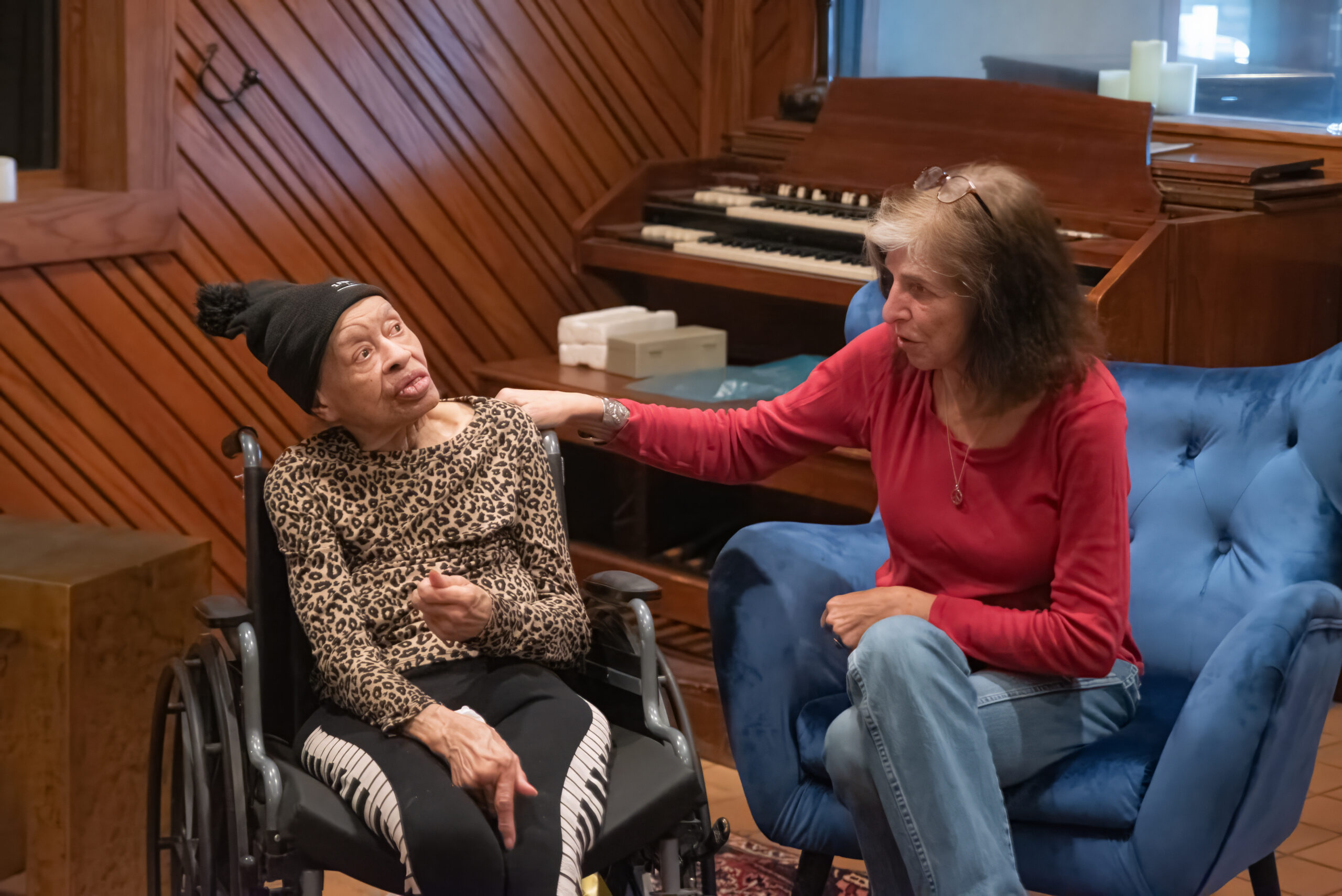
White, now 96, lives in a nursing facility with round-the-clock care. Last February, Coplin helped arrange for her to record two songs for Antone’s 50th anniversary album.
“A lot of them probably never thought they would be in this situation, right?” said Hanna Cofer, HOME’s first executive director who joined the staff nine months ago after six years volunteering on the board. “A lot of them were very successful musicians, and probably just thought they could do that forever.”
HOME’s approach differs from other musician housing initiatives. Rather than building dedicated housing complexes, the organization focuses on helping musicians age in place in their own homes.
“We’re not just trying to build housing and put people in there,” Cofer said. “We’re hoping to help people sort of age in place.”
The organization operates lean, 95 cents of every dollar goes directly to clients and pays landlords and mortgage companies directly while requiring clients to contribute what they can. A newly hired social worker helps with benefits enrollment, connecting musicians to resources many didn’t know how to access.
“We’ve actually had a lot of people not need us anymore, right?” Cofer said. “Where we’ve paid off their mortgage, or, you know, they are getting their social security now, and they don’t need it.”

Preserving a legacy in a growing city
But Cofer worries about HOME’s future relevance as Austin’s population changes and newcomers lack connection to the musicians who built the city’s cultural identity.
“For people that are new to Austin, or didn’t grow up here, or are younger, if you don’t have that familiarity with the cultural identity of that, you’re not going to feel as invested to help those folks,” she said.
With an estimated 200 more musicians potentially eligible for HOME’s services, the organization celebrated its founding vision last Thursday with a sold-out tribute to Ball at the Paramount Theatre. Ball, a five-time Grammy nominee who announced her retirement from performing due to an ALS diagnosis, launched HOME with that initial kitchen table meeting 14 years ago.
“What HOME has done for our aging music population is tantamount to saving lives,” Coplin said. “To have them in a safe, secure home is very important to the future of the community, really.”
RELATED: Explore Austin’s Live Music Scene With This New Guide to Artists, Venues, and Hidden Gems