
Texas Wildflower Forecast 2026: What to Expect From This Year’s Blooms
Lady Bird Johnson Wildflower Center predicts a patchwork season shaped by drought, spotlights Carolina jessamine as Wildflower of the Year
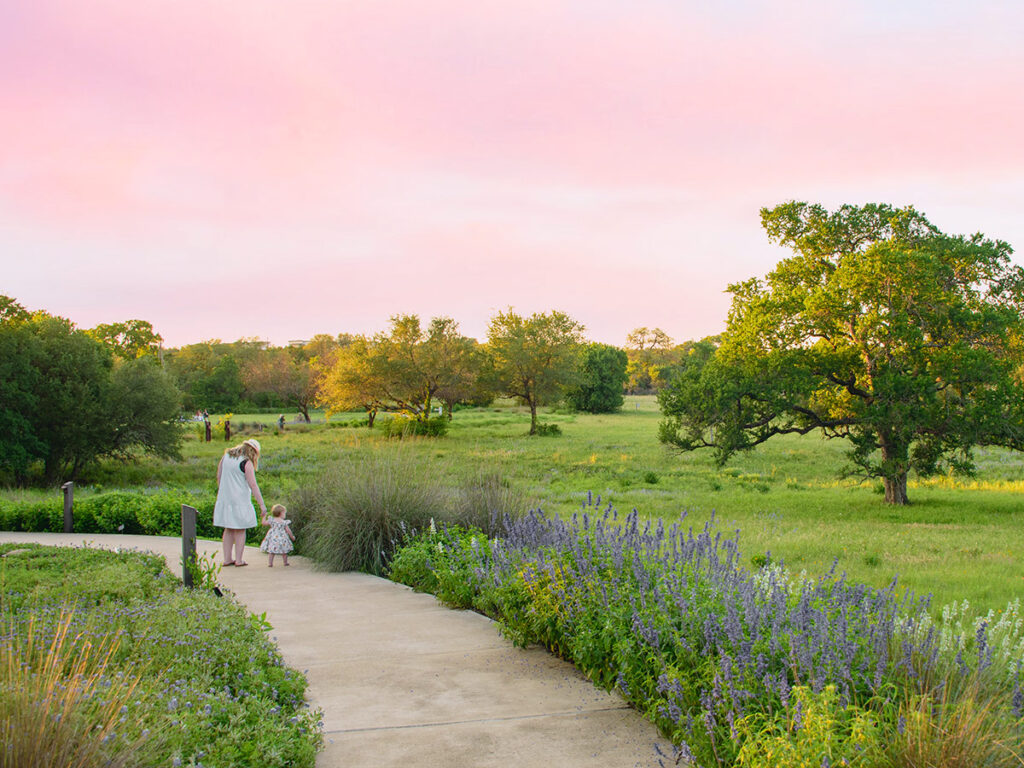
Native plant experts at the Lady Bird Johnson Wildflower Center say 2026’s bloom season will be uneven across the state, shaped by patchy rainfall, lingering drought in parts of the Southwest and the subtle, often-overlooked influence of microclimates.
“In a state as geographically vast and varied as Texas, it’s rare that we can make a forecast that suits the whole state,” says Andrea DeLong-Amaya, the Center’s horticulture educator. “We have wild fluctuations in weather and lots of microclimate scenarios, and this year’s bloom season will be just as varied as that.”
While some stretches of highway may feel less saturated in spring color, others could surprise passersby with resilient pockets of blooms. Those bright outliers often owe their success to hyperlocal conditions.
“We’ve all seen spots where plants seem to be thriving in an otherwise not-so-hospitable landscape,” says Kyle Cheesborough, the Center’s new director of gardens and collections. “This could be the result of microclimates created via irrigation practices, ambient heat from hardscapes, and other cultural maintenance practices. For similar reasons, we can also think of most residential gardens as microclimates, because each homeowner does things a bit differently, whether it’s how often they irrigate or how much tree cover their yard has. The same things happen in nature and impact blooming plants.”
Late bloomers
In practical terms, that means early spring favorites could be more sporadic in some regions. Bluebonnet seekers may need a bit more patience — and perhaps a bit more driving.
“We may just have to look a little harder for bluebonnets on the side of the road this year in many locales,” adds DeLong-Amaya. “We’re hopeful for more spring rain to bring out the later-blooming flowers. Bluebonnets are great, but the show gets even better as the spring season progresses.”
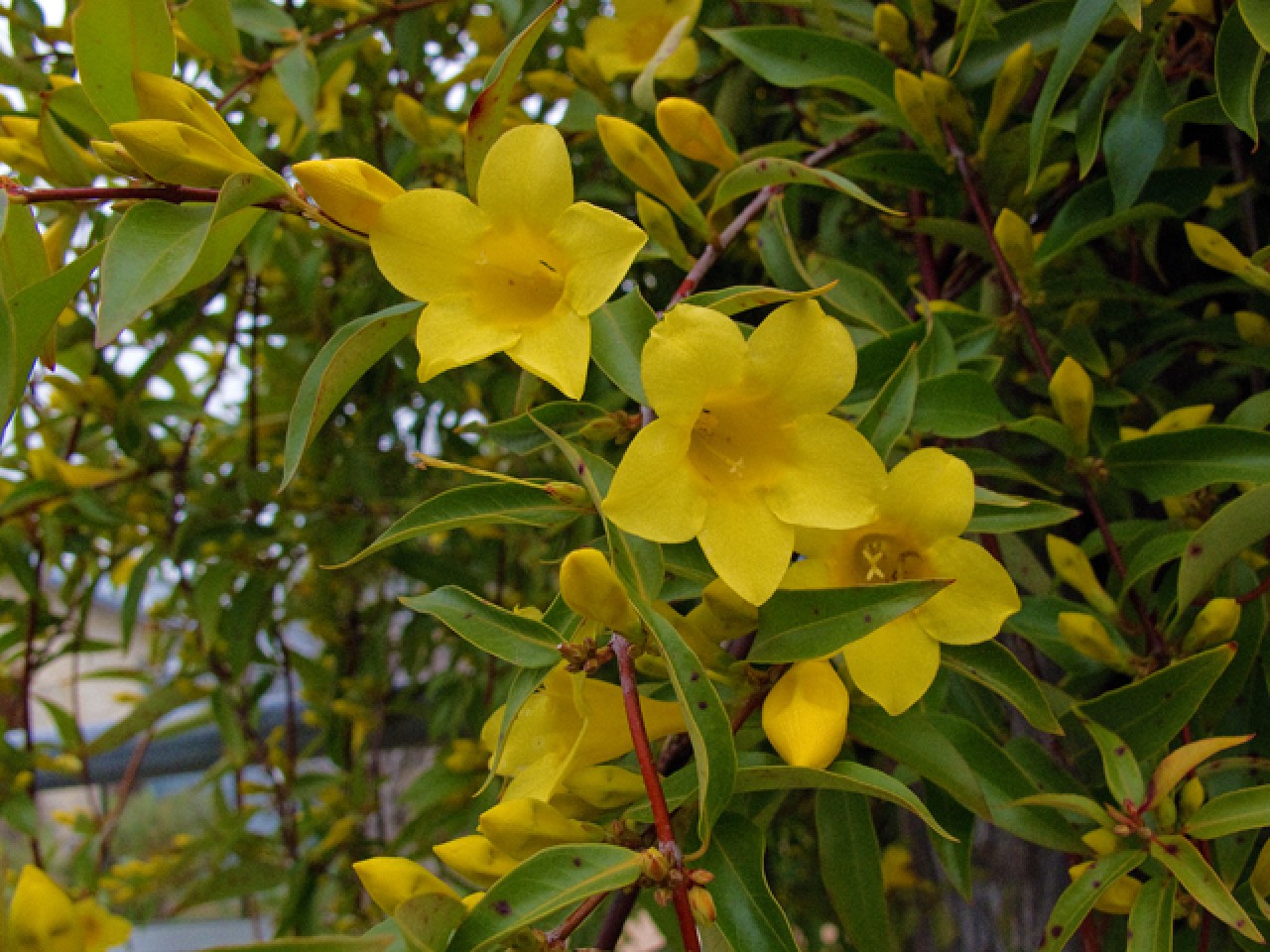
If early bloomers are sparse, later arrivals may benefit from the breathing room. Flowers such as firewheel (Gaillardia pulchella) and purple horsemint (Monarda citriodora) could mount a stronger display if spring rains materialize. And one plant already stealing the spotlight is this year’s Wildflower of the Year: Carolina jessamine (Gelsemium sempervirens).
RELATED: Where to See Wildflowers in Central Texas
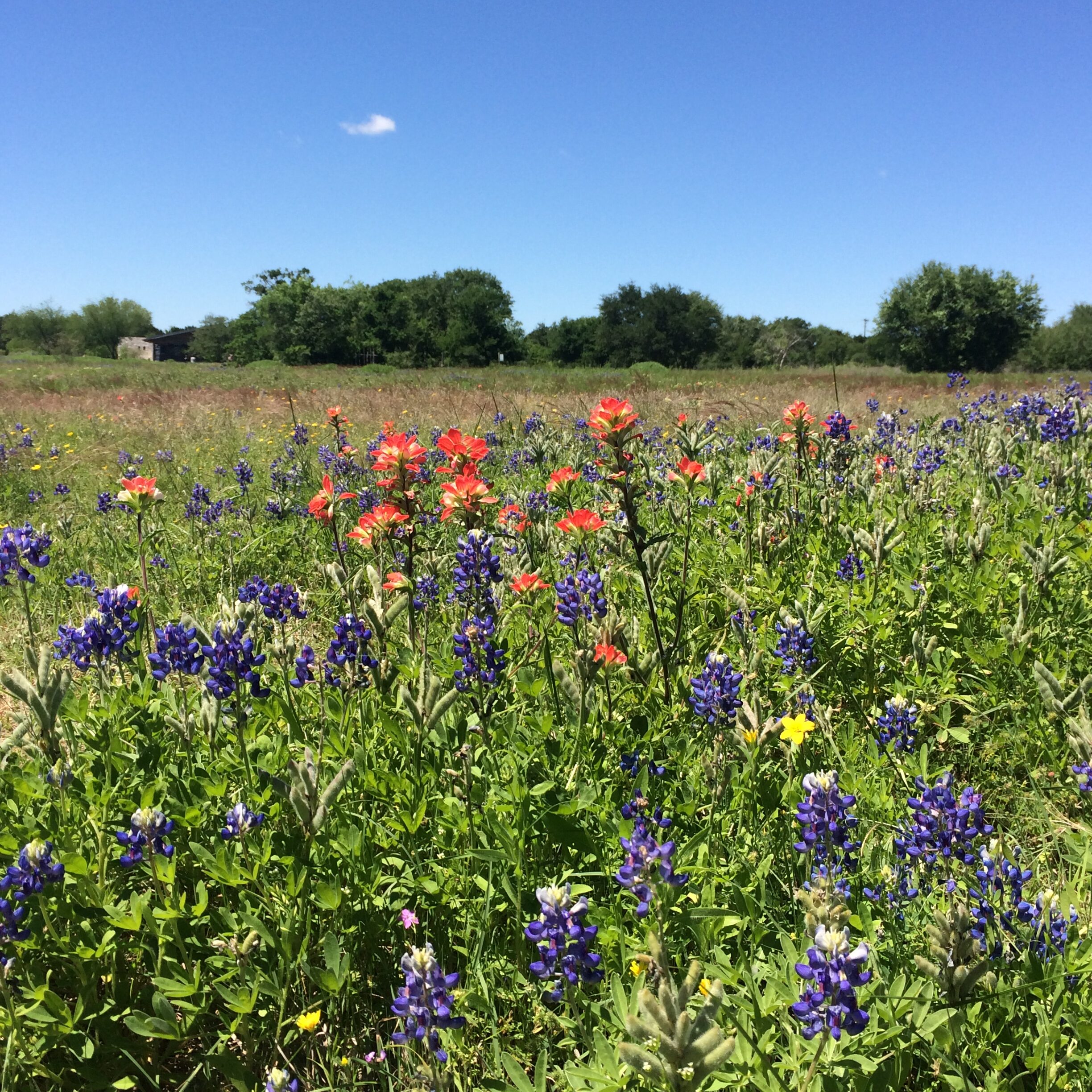
Wildflowers on display this spring
The evergreen vine can stretch up to 20 feet long, offering dense green coverage with showy, trumpet-shaped yellow flowers. Sweetly fragrant and adaptable to a range of soils and light conditions, Carolina jessamine also plays an important ecological role, providing food for pollinators and blooming off and on throughout the growing season.
Often left out of the traditional “wildflower” conversation, the vine is proving its consistency this year, already putting on what the Center describes as a spectacular show both visually and fragrantly.
Despite forecasts calling for variability across Texas, DeLong-Amaya remains optimistic: “I’ve never seen a year where nothing is blooming. We can always expect some spring wildflowers.”
Throughout the season, visitors can expect curated displays of native Texas plants at the Wildflower Center. Professional horticulturists and a large team of volunteers work year-round to cultivate and maintain peak bloom conditions on the grounds.
For more information on the 2026 bloom outlook, visit the Wildflower Center’s Texas Wildflower Central website.
RELATED: Marian McEvoy’s Botanical Art Arrives at the Wildflower Center, Supporting Conservation Efforts