
The Evolution of Austin Barbecue: How the City Became a Global Barbecue Destination
A look back at the pitmasters, turning points and cultural shifts that reshaped Austin’s barbecue over the past 25 years
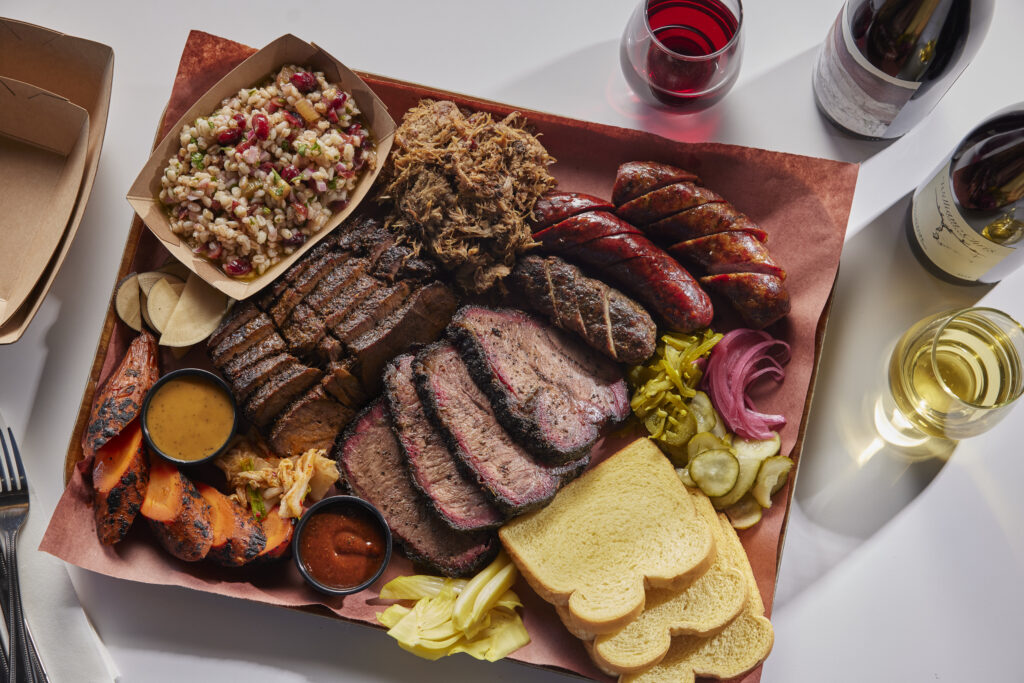
Twenty-five years ago Austin barbecue didn’t announce itself. It lived quietly in smokehouses where regulars ordered without looking at a menu and pitmasters cooked the same way they always had. The city wasn’t yet a barbecue destination, even if the foundation was already there.
At the turn of the millennium, many of Central Texas’ most revered barbecue temples — Kreuz Market, Smitty’s Market and Louie Mueller Barbecue — were outside city limits. Within Austin, barbecue wasn’t yet something people planned their weekends around. It was familiar, dependable and largely insulated from trend cycles. That began to shift in 1997, when Texas Monthly introduced its first “Top 50 Barbecue Joints” list, formalizing criticism and turning regional restaurants into statewide benchmarks.
Tradition tended daily
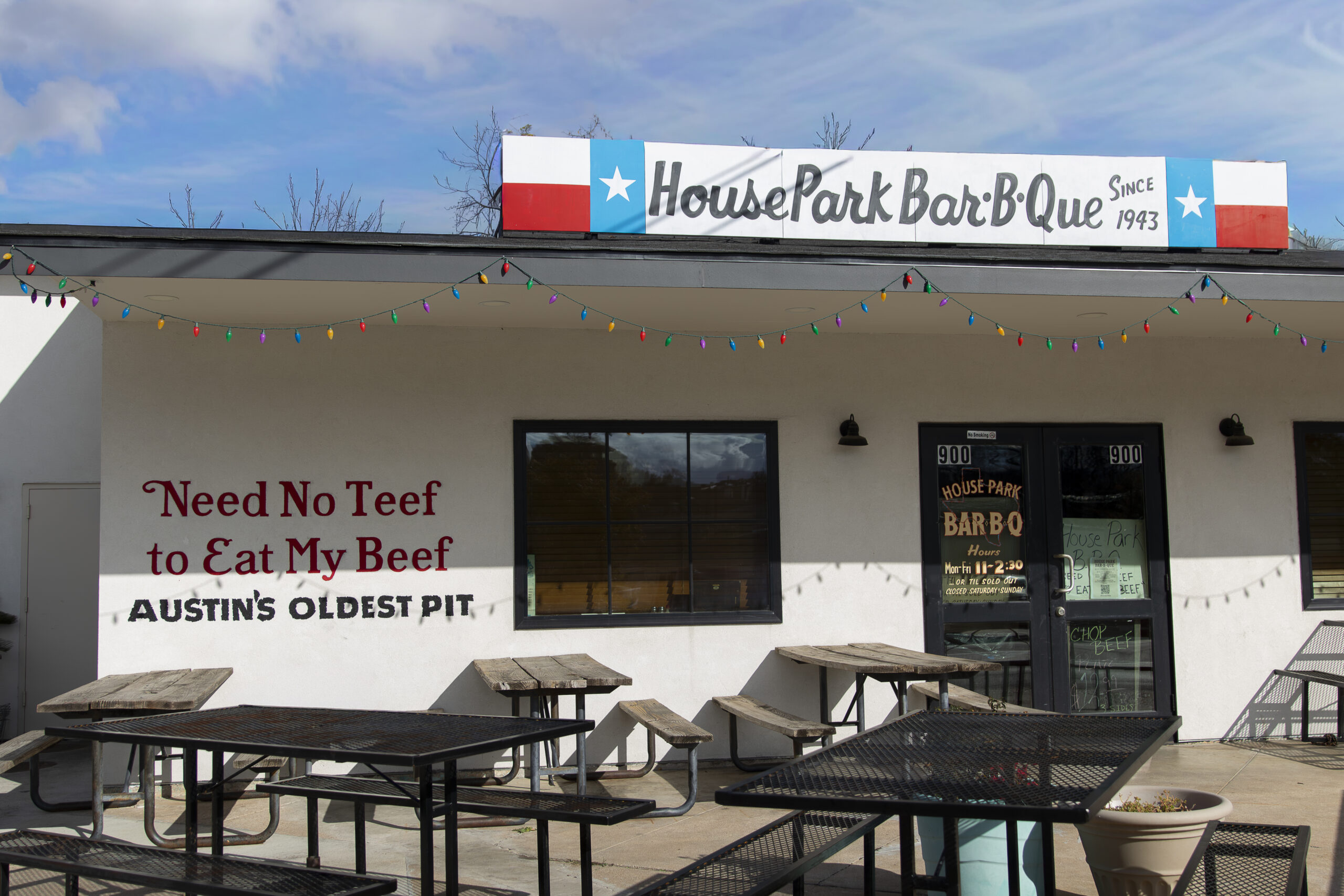
A few hometown institutions, however, stayed rooted in tradition. House Park Bar-B-Que, open since 1943, continued operating around its original brick pit, passing through three families before Joe Sullivan bought it in 1981. He ran it for 35 years before his son Matt took the reins in 2015. “It was extremely important to me to maintain the positive reputation and barbecue style my dad had created,” Matt says, who is proud to omit salt, pepper or seasoning of any sort from his brisket. “We let the quality of our meat, the quality of our wood and the oldest pit in Austin do all the working.”
Stephen Yuill, the owner of Iron Works Barbecue, learned his craft as a child after his mother Charlotte Finch bought a former blacksmith building and turned it into a restaurant in 1978. As downtown grew, they switched from indoor brick pits to two large rotisserie pits to serve a bigger customer base. “But the staple for great barbecue starts with the meat, then your rub and then the smoker — and that will never change,” says Yuill.
The new school takes shape
Iron Works, The Green Mesquite BBQ & More and The County Line shaped Lance Fitzpatrick’s understanding of Central Texas barbecue when he was bit by the bug 25 years ago. He began working under the late Bobby Mueller at Louie Mueller Barbecue in Taylor, where he met Shane Stiles, who had grown up worshiping at the “Cathedral of Smoke” with his father.
Meanwhile, a then-unknown Aaron Franklin arrived in Austin in 1996, drawn first by music, not meat. Barbecue lived on the margins of his life; he worked odd jobs, played in bands and cooked briskets in his backyard because it was cheap, primitive and satisfying. Early Austin barbecue memories included hanging out at the now-shuttered Ruby’s BBQ near UT. “It was a special place to go with friends,” Franklin recalls, “be it on break from the recording studio, or Stacy and I sharing a slice of Dang pie.”
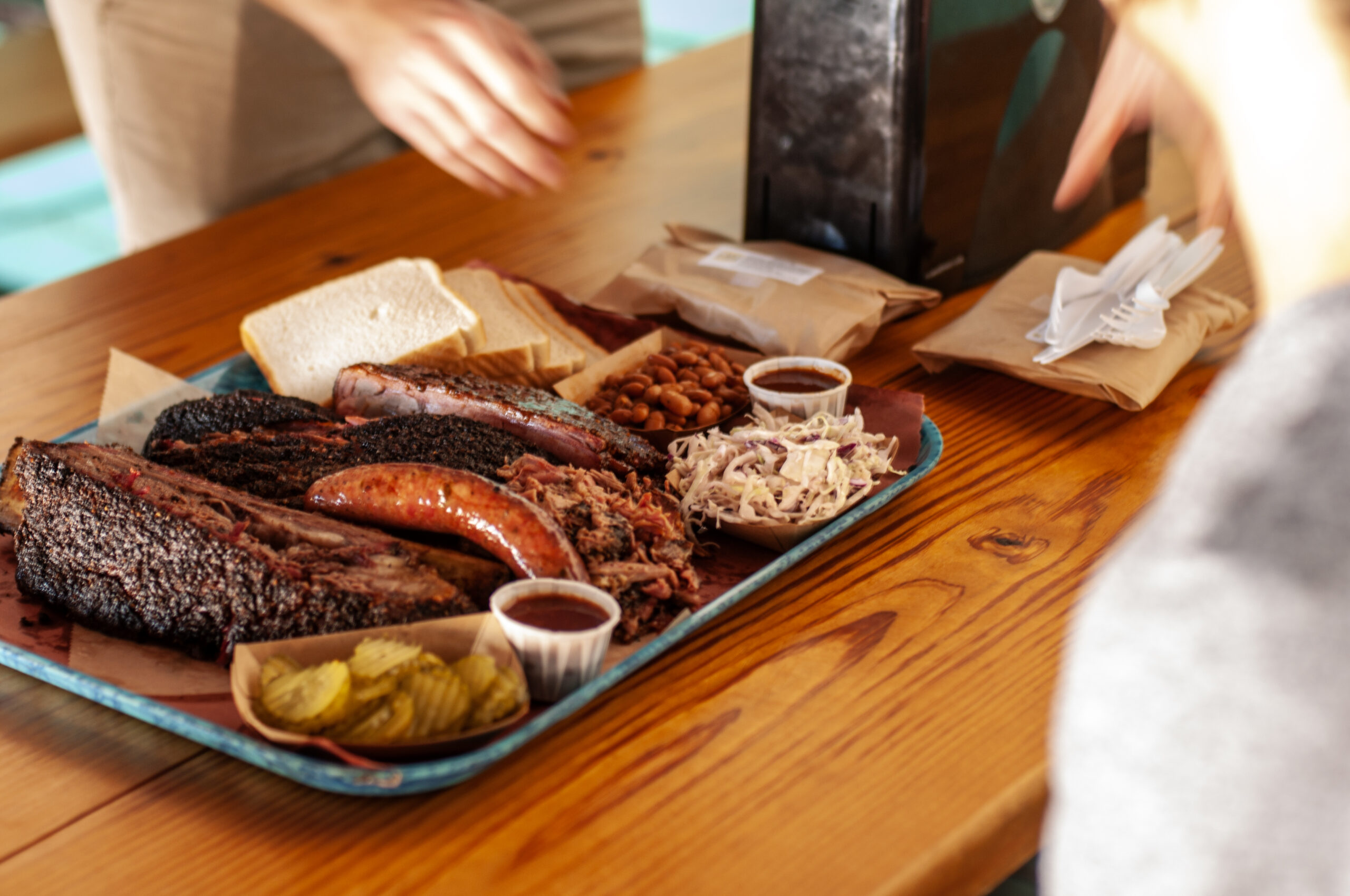
In the early 2000s, Stiles moved to Austin and noticed the absence of standout barbecue within city limits. Franklin deepened his experiments, studying classic joints, refining fire management and imagining barbecue as a profession. When Franklin Barbecue opened in December 2009, it marked a turning point. His insistence on high-quality meat and consistency redefined expectations — not just for customers, but for cooks. By sharing his methods through books, videos and television, Franklin made barbecue knowledge more accessible than ever.
“With the internet, everything is shared nowadays,” Franklin says. “That really helped lots of folks discover their love for cooking barbecue. There is a barbecue scene in Austin now, and I’m proud that we got to be a part of making that happen.”
Texas barbecue in focus
Two years after becoming the first pitmaster honored with a James Beard Award, Bobby Mueller passed away unexpectedly. Stiles invited Fitzpatrick to help him bring a new barbecue vision to Austin. Stiles Switch BBQ opened in December 2011, grounded in the same craft-barbecue ethos now shaping the city: better meat, careful fire management and in-house sausage-making.
While Texas Monthly’s barbecue rankings gained traction every four years, social media also started to ignite the scene in the 2010s. Facebook and Instagram transformed barbecue from something discovered slowly into something broadcasted instantly. Lines became part of the experience, droolworthy tray photos became marketing and Austin officially emerged as a global barbecue destination.
“As more restaurants opened and different styles were taught and shared, this generation of cooks had more knowledge to pull from, propelling the overall quality to the standards we see today,” says Fitzpatrick.
The fire that binds
These days, there are close to 100 barbecue concepts in Austin, and when Michelin released its inaugural “Texas Guide” in 2024, la Barbecue, LeRoy and Lewis Barbecue and Interstellar BBQ were awarded with a Michelin star. As newer barbecue concepts have stepped into the spotlight, Austin’s deep roots have held strong.
With downtown’s growth, Iron Works has become both a working lunch spot and a living artifact. “Our joke is we used to be the tallest building downtown,” Yuill laughs. “Old Texas is gone in downtown, so we’re happy to show people what it was like back in the day.”
After a fire in 2020, House Park Bar-B-Que renovated and reopened in 2025, still smoking meat on the original brick pit. “We haven’t changed. We just watched everything change around us,” Sullivan says. “I hope people continue to respect the uniqueness and effort it takes to smoke quality meat consistently. It’s become a delicacy, and that’s beautiful.”
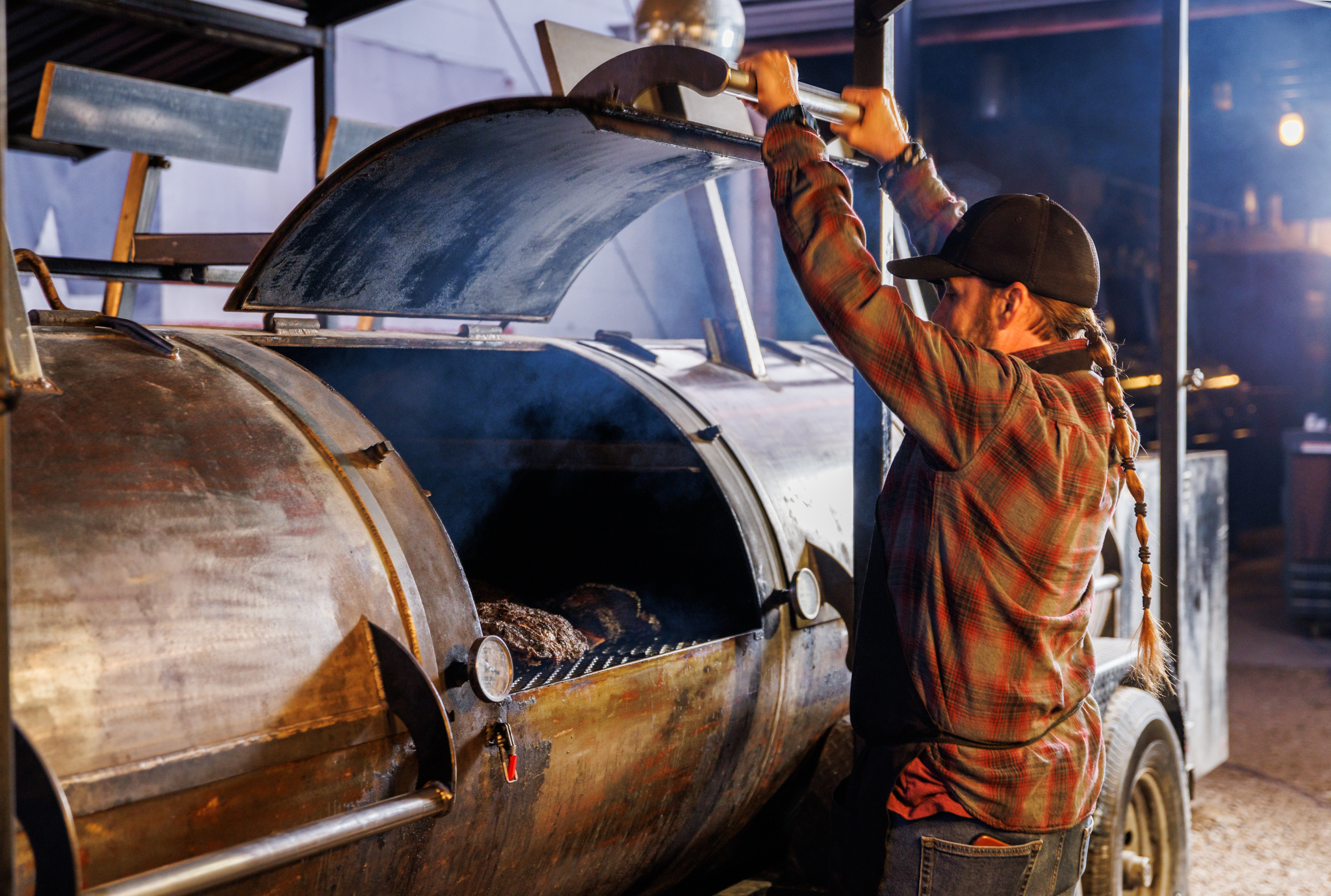
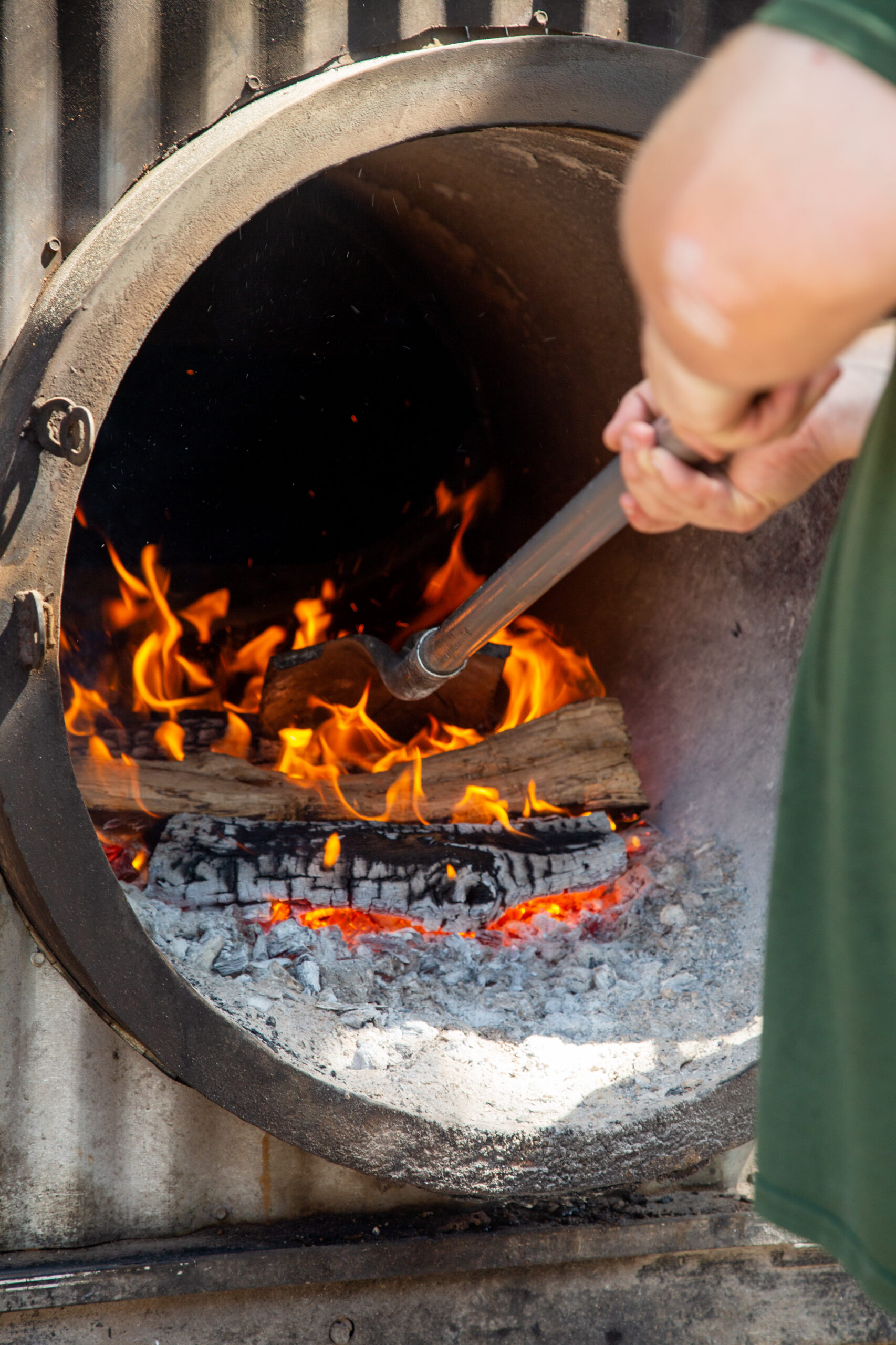
That sentiment bridges every era of Austin barbecue. Whether cooked on a traditional brick pit or a customized Mill Scale Metalworks offset smoker, the work still begins the same way: early in the morning with meat, fire and patience.
“The barbecue scene will continue to evolve, but I believe that what’s most important is what doesn’t change,” says Fitzpatrick. “With all the automation in our future, I believe it’s the basic things like cooking meat with fire that will draw people together as it always has.”
RELATED: Austin’s Veronica Meewes Talks Texas BBQ in New Book: The Art of Low & Slow