
Ballet Austin Artistic Director Stephen Mills Reflects on 25 Years of Leadership
More than 60 premieres later, Mills’ vision links artistry, philanthropy and social conscience
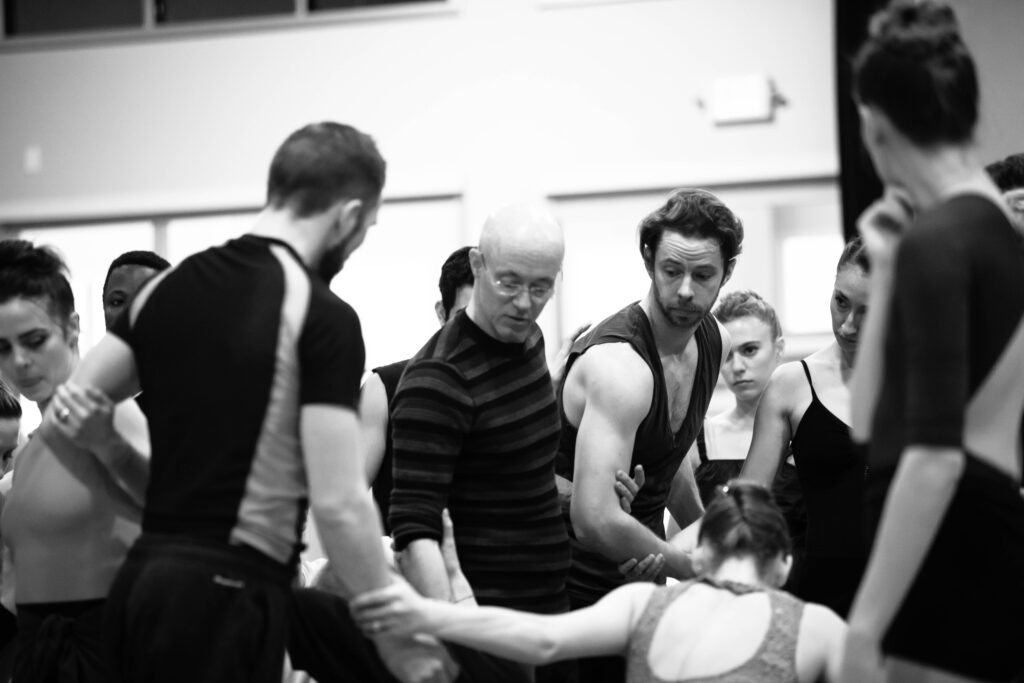
In 2000, Stephen Mills became Artistic Director of Ballet Austin with a bold production of “Hamlet” that announced classical ballet would never be the same here. Twenty-five years later, Mills is still evolving with a city that has experienced unprecedented growth and change.
“When I got here in 1986, I thought I would be here for a year,” Mills says. “But every time I thought I was going to go, a new opportunity presented itself.” He arrived at what he describes as “a really slow hippie town.” The Austin he inhabits now is unrecognizable from that version, but the evolution has been essential. “Art only exists when there’s funding for it, and now that money is possible in Austin, you can see the flourishing of art in this community,” he says. “It’s been tremendous to watch and be a part of.”
Over 60 world premieres later, Mills has built Ballet Austin into something that defies categorization — a company where Philip Glass scores meet Holocaust testimony, where contemporary movement explores marginalized stories and where creativity and activism become inseparable.

The statement piece
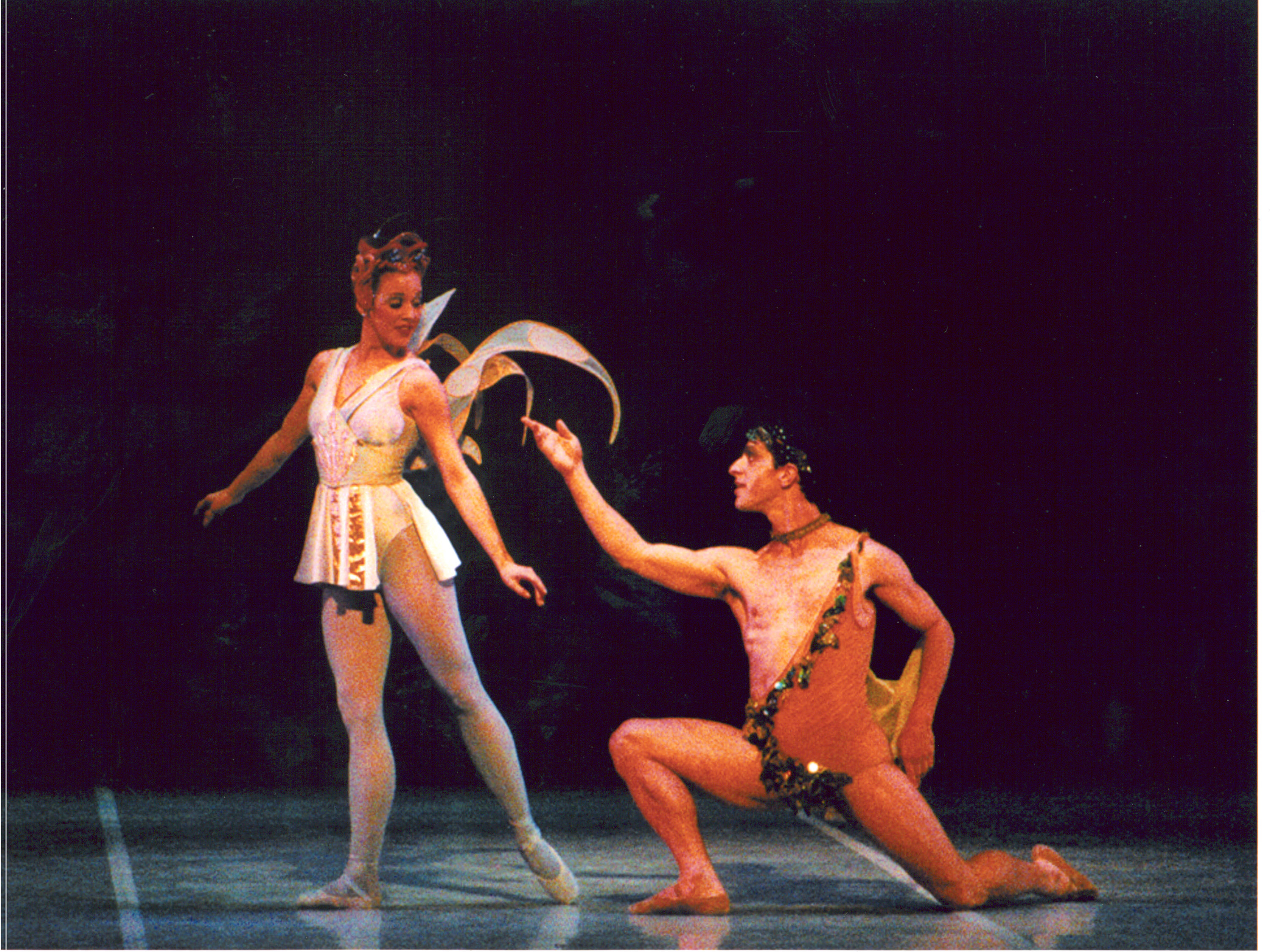
Mills’ inaugural 2000 season opened with “Hamlet” blending modern design, Philip Glass music and a unique contemporary vision as a bold declaration of his future goals for Ballet Austin.
“I wanted to state to the community that this is what Ballet Austin is going to be moving forward,” he says. “I am not a classicist. I love classical dance, but I also enjoy making work that is relevant to the things we’re dealing with.” “Hamlet” exceeded expectations, earning Ballet Austin its first Kennedy Center invitation in 2001 and eventually touring to 13 companies worldwide. But more importantly, it established Mills’ artistic mandate: ballet could grapple with the present moment rather than just preserve the past. Then Sept. 11 tested that conviction.
When art finds its purpose
When the news of the terrorist attacks shook the world in 2001, Mills found himself wondering if there was any point to ballet. “I was feeling so upset about everything. I’m doing this art form that some people might argue is irrelevant when we were being put on a war footing, and very soon, young American people are going to be going to the Middle East. It doesn’t make any sense.”
A friend suggested Mills meet Naomi Warren, a Holocaust survivor who had endured three concentration camps. As he listened to her story, visited seven death camps in Europe and studied the haunting photographs, something shifted. “It caused me to think about the potential of dance and the body to be able to tell us a story that is so profound (and) so incomprehensible through the lens of one survivor.”
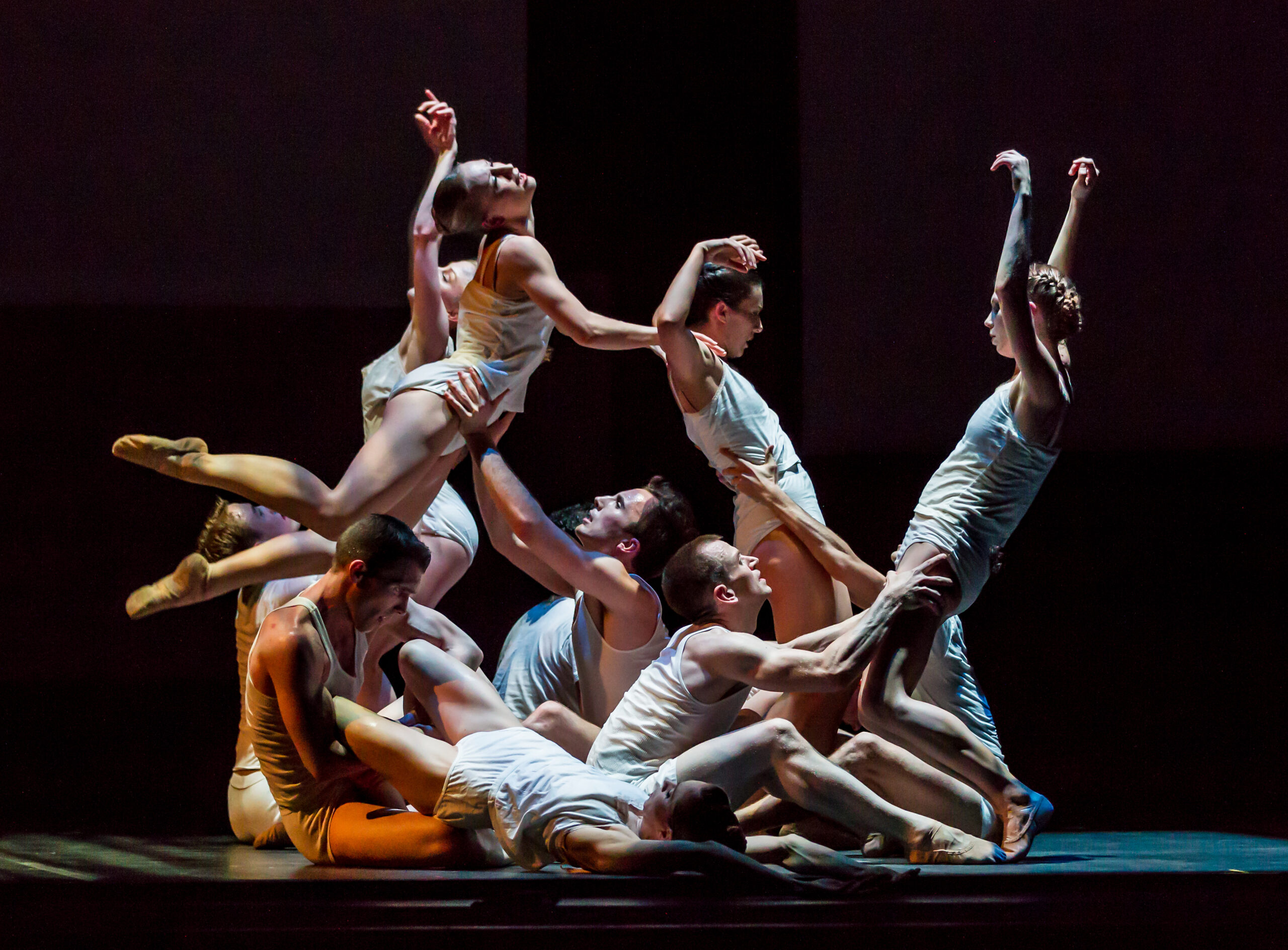
The result was “Light / The Holocaust & Humanity Project” in 2005, a community-wide collaboration that won the Austin Anti-Defamation League’s Audrey & Raymond Maislin Humanitarian Award and toured internationally. The work proved dance could bear witness, educate and transform — not despite its abstraction, but because of it. Mills still carries Warren’s words with him: “When people suffer, don’t sleep.” It’s become his artistic compass.
The freedom to risk
Behind Mills’ boldest work stands something rare: institutional trust built on sustained philanthropic commitment. Ballet Austin is a nonprofit, dependent on donations, ticket sales and endowments, particularly from Sarah and Ernest Butler, whose support has shaped Austin’s arts landscape for decades. Beyond funding the Butler Dance Education Center and endowing Mills’ Artistic Director position, the Butlers created the New Choreography Endowment, which commissions works such as the upcoming “Marie Antoinette” premiere.
After presenting “Hamlet” to the board in his first season, they said “you just do what you’re gonna do,” Mills recalls. That freedom enabled work that might otherwise never exist — productions that tackle difficult subjects, question power structures and make audiences uncomfortable in necessary ways. Mills doesn’t take it lightly. Before creating “Exit Wounds” in 2018 — addressing his mother’s death, the AIDS crisis, sexual assault and political courage — he briefed the board first. “I’m using someone else’s resources, and I’m committing the organization to have this conversation, which could cause conflict in the community.”
The board supported it. They always have.

Survival and celebration
Then, in March of 2020, the company shut down amid the COVID pandemic, and some dancers scattered. Mills thought the end of Ballet Austin was imminent and that he’d be held partially responsible. Still, Mills divided those willing into groups of five, spaced six feet apart in taped squares, and had them come in an hour at a time to keep their bodies and spirits alive.
From that desperate period came “The Pink Confetti Dance,” which Mills says was originally just “this thing I wanted to see — dancers running through confetti — because I thought it would be funny.” But when Ballet Austin finally reopened 18 months later, the piece transformed. “It became, in a different context, a celebration of having survived at all.”
“The Vampire Queen” and what comes next
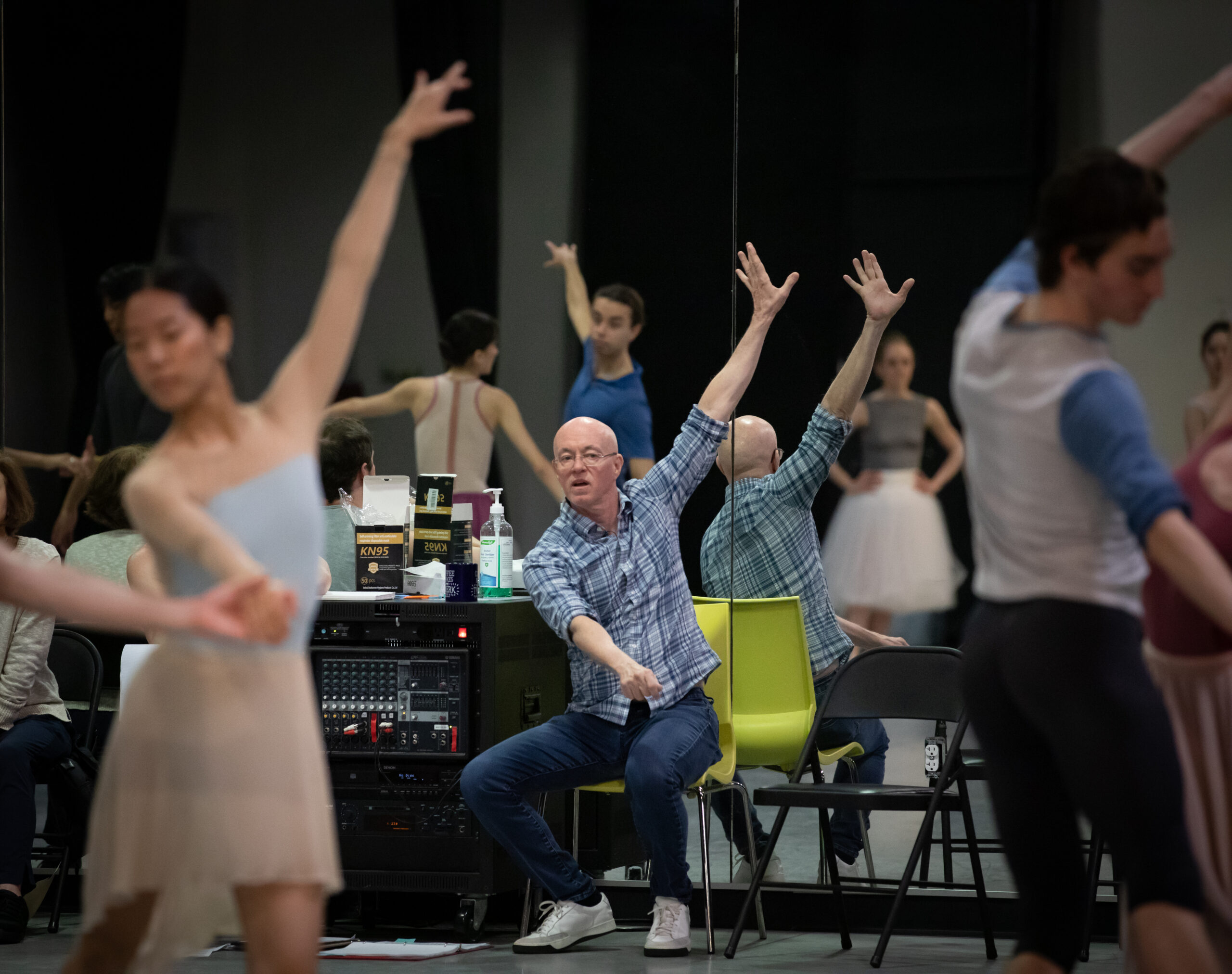
This March Mills premieres “Marie Antoinette: Vampire Queen of Versailles” — a provocative reimagining exploring power, greed and what happens when the wealthy feed off the vulnerable. The work exemplifies Mills’ approach: historically grounded, socially conscious and unapologetic. When asked about the vampire metaphor, Mills is characteristically direct about economic inequality before adding with a laugh, “Also, women never get to be vampires.”
As Austin has grown from a hippie town to a cultural powerhouse, Mills has built Ballet Austin into more than just a performing company. The Ballet Austin Academy serves more than 900 students annually, making it one of the largest classical ballet schools in the country. At the same time, the Butler Center for Dance & Fitness provides year-round classes to over 10,000 people of all ages and skill levels. Community outreach programs like EduMoves bring dance education directly to school campuses across the region.
Meanwhile, Mills’ artistic vision reminds us that art isn’t about decoration or escape. It’s how we remember what matters. It’s how we refuse to sleep when people suffer. It’s how a city stays honest and awake.
Looking back on his more than 25 years and over 60 premieres as Artistic Director of Ballet Austin, Mills reflects on the privilege of his position. “To be an artist is to be on a personal journey of learning and discovery,” he says. “Looking back and thinking about how unimaginable it could be that I am sitting here today, that doesn’t happen randomly. We’re all guided and helped along the way.”