
What Whole Foods Predicts We’ll Be Eating in 2027
The Austin-based grocery chain shares what’s next in food and drink, and how its experts spot emerging trends
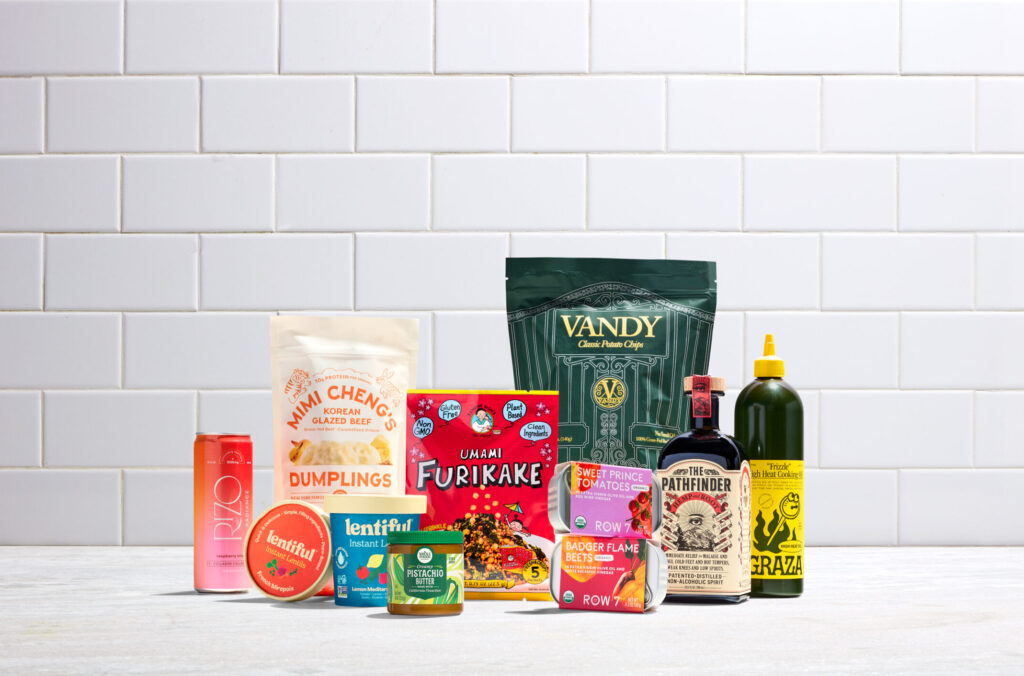
Whole Foods Market’s latest forecast offers a glimpse of what shoppers could find in their grocery carts next year. The annual report identifies eight food and beverage trends the company expects to influence grocery shelves, restaurant menus and home kitchens.
In a Q&A with TRIBEZA, Cathy Strange, Whole Foods’ ambassador of food culture and a member of its Trends Council, explained how the annual predictions take shape. The group includes buyers, foragers and culinary experts who spend the year visiting trade shows, farmers markets and restaurants, tracking social media and reviewing data.
“Consumers want food that tastes delicious, does something positive for their bodies, and doesn’t confuse them when reading ingredient labels,” Strange said. That interest runs through several of this year’s predictions. Others suggest shoppers still want something unexpected for dinner, even when they’re picking it up from the frozen aisle.
SHOP


Here’s a closer look at the eight trends.
1. Knowing where your food comes from
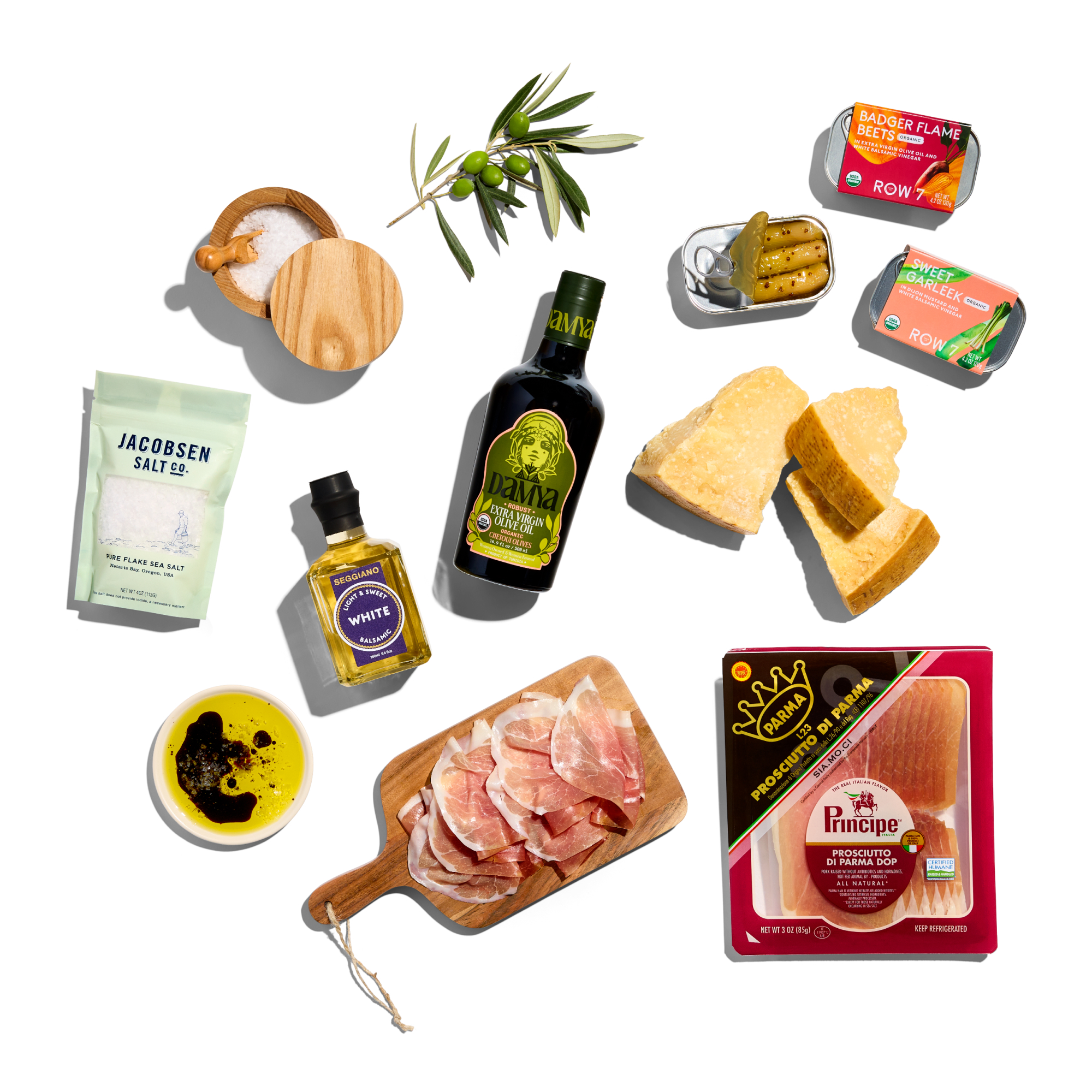
The idea of terroir might be familiar to wine drinkers, but Whole Foods expects more shoppers to consider how soil, climate and geography influence other foods, too.
That could mean choosing honey from a particular region, chocolate from a single estate or olive oil with a clearly identified origin. Among the report’s examples are Row 7 Seed Co.’s tinned vegetables, launching in 2027 with produce sourced from individual organic farms.
2. The overlap between food and skin care
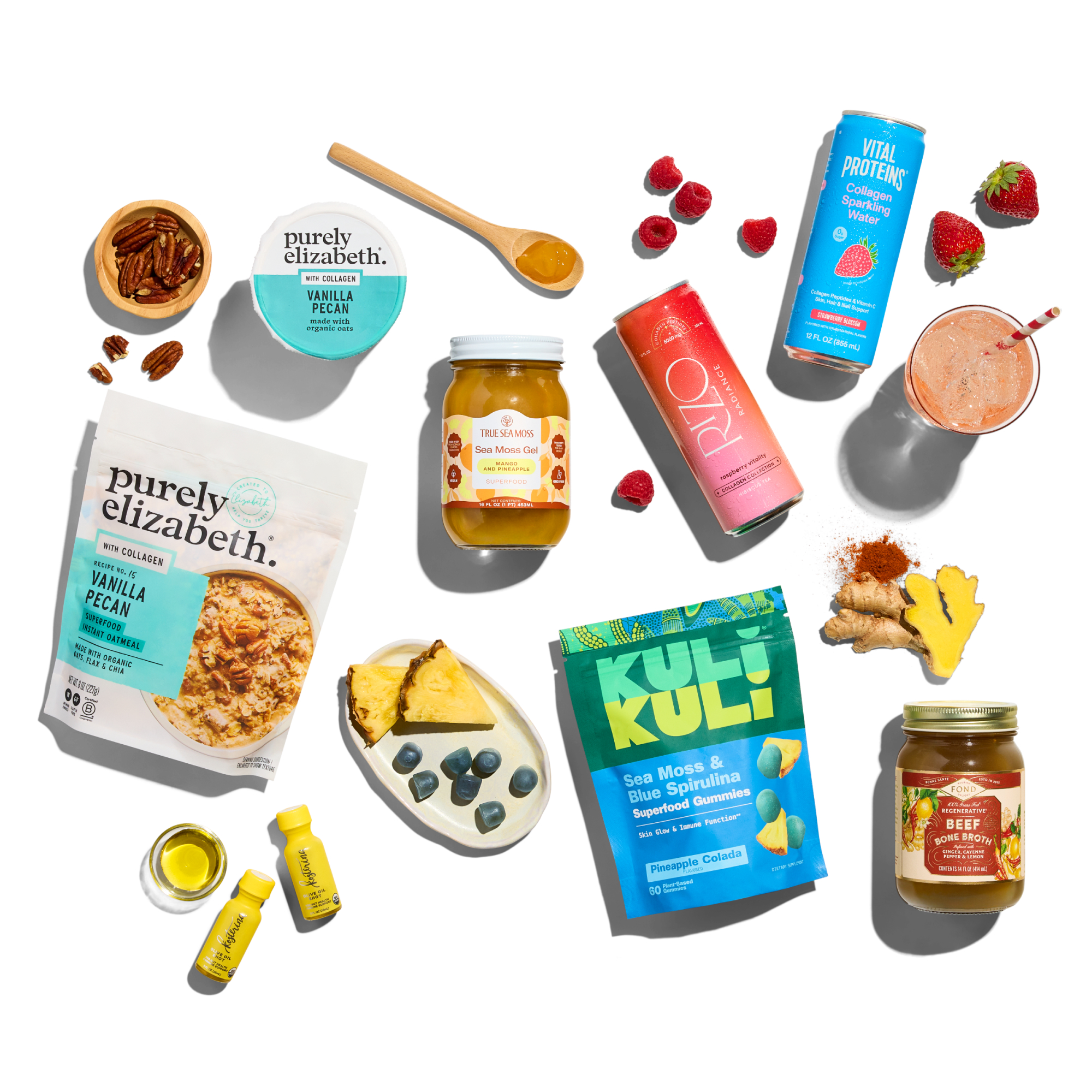
Whole Foods calls this one “Beautrition,” pointing to growing interest in foods and supplements marketed for skin health.
Collagen teas, olive oil shots and collagen-fortified oatmeal are among the products on its list. The report also notes social media attention around foods such as carrots, cucumbers and tinned fish. The prediction tracks consumer interest in the category, rather than establishing whether individual products deliver their advertised benefits.
3. More Japanese comfort food
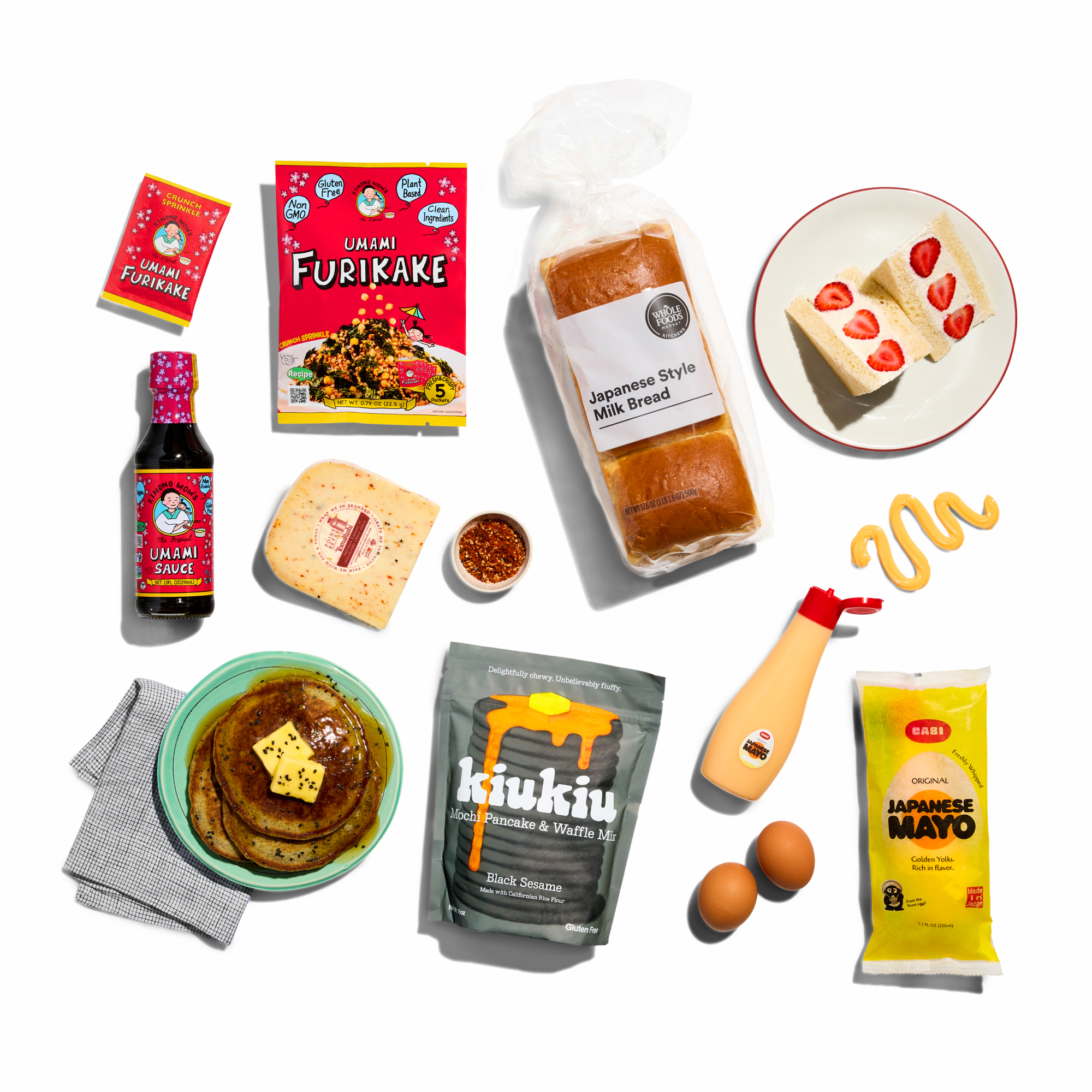
Japanese curry rice, tonkatsu and omurice could become more familiar meals in American homes, according to the forecast.
The prediction centers on yōshoku, a culinary tradition that adapts European and American dishes to Japanese tastes. Whole Foods expects that interest to translate into more bakery items, condiments and prepared foods in grocery aisles. Its own Japanese-style milk bread launched in late 2025.
4. Familiar dishes with a different approach
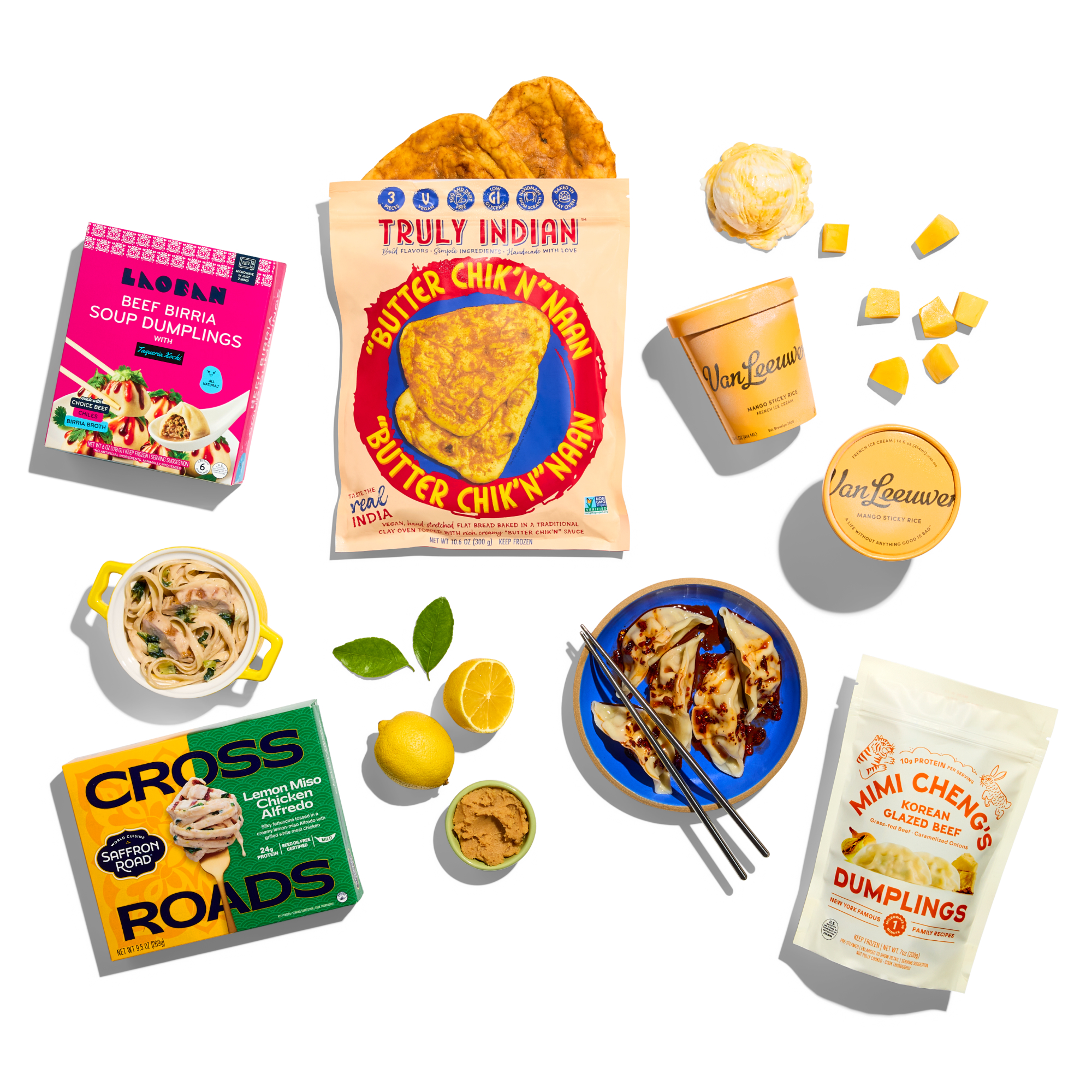
Fun fusions like birria-filled soup dumplings, mango sticky rice ice cream and Buffalo-style chicken lasagna are behind another prediction: more foods that give familiar dishes a new form.
For Strange, it also suggests some shoppers are looking for an interesting dinner at home instead of a restaurant reservation. “The frozen aisle is such a great place for trendspotting these days, and the quality of products can be just as delicious as dining out,” she said.
5. A shorter ingredient list
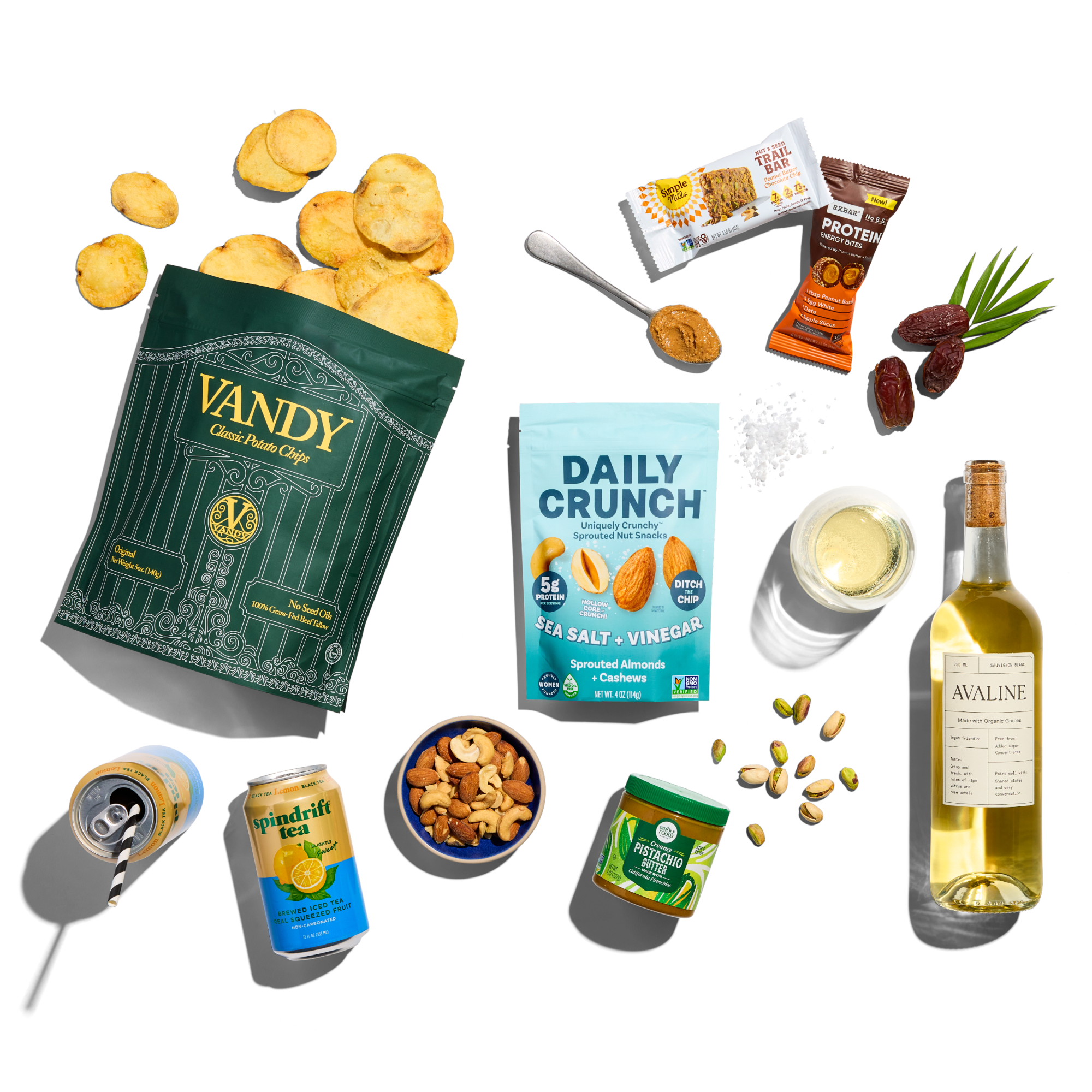
Shoppers are paying more attention to labels, and manufacturers are responding with simpler recipes, according to Whole Foods.
Its “Ingredient Minimalism” prediction reflects scrutiny of additives and ultra-processed foods, along with the emergence of apps and certification programs designed to help consumers sort through their options.
6. A taste for bitter
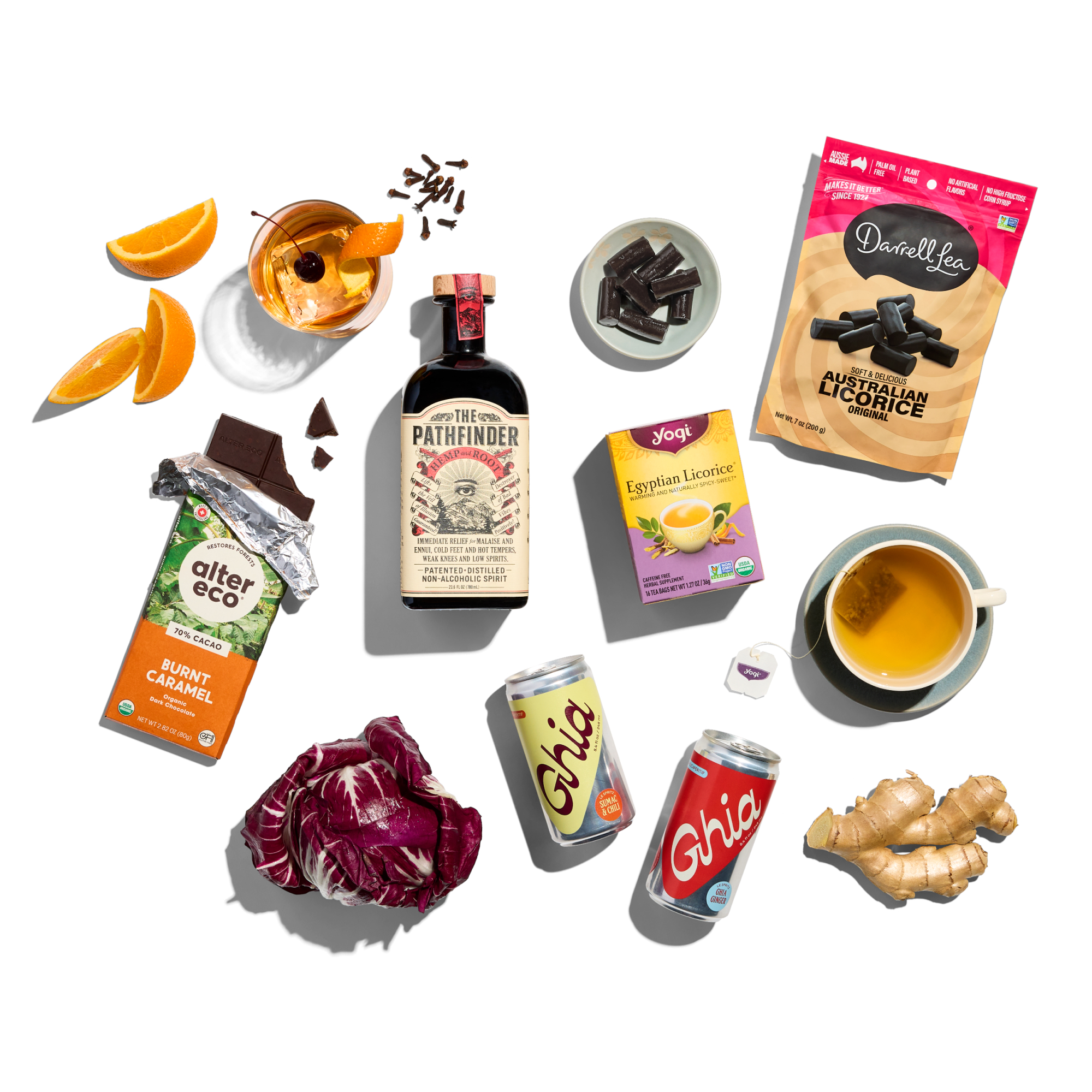
They also expect more shoppers to reach for bitter flavors, whether in a non-alcoholic aperitif, a chocolate bar or a bunch of greens.
The report points to amaro-inspired drinks, grapefruit bitters and soda, licorice and burnt caramel dark chocolate. In the produce department, that interest extends to radicchio, endive, escarole and broccoli rabe.
7. Finding another use for food scraps
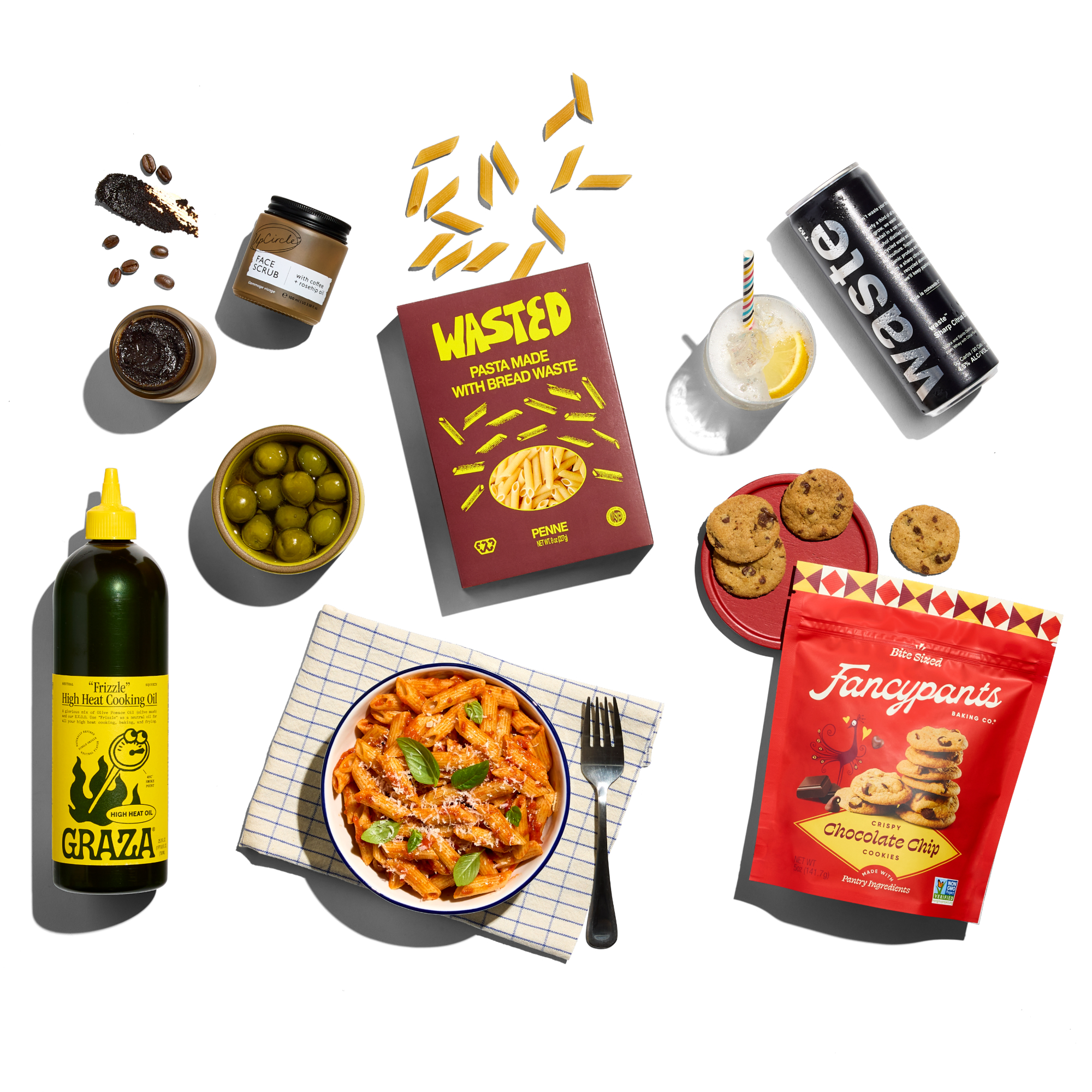
Unused bread can become pasta. Oat pulp can become a baking ingredient. Whole Foods predicts more products will put food byproducts to use.
The report highlights companies such as Wasted Pasta, which makes dried pasta from unused bakery bread, and Renewal Mill, which turns byproducts into baking ingredients. It also points to refill options and discount programs for food nearing expiration.
8. Making a meal of beans
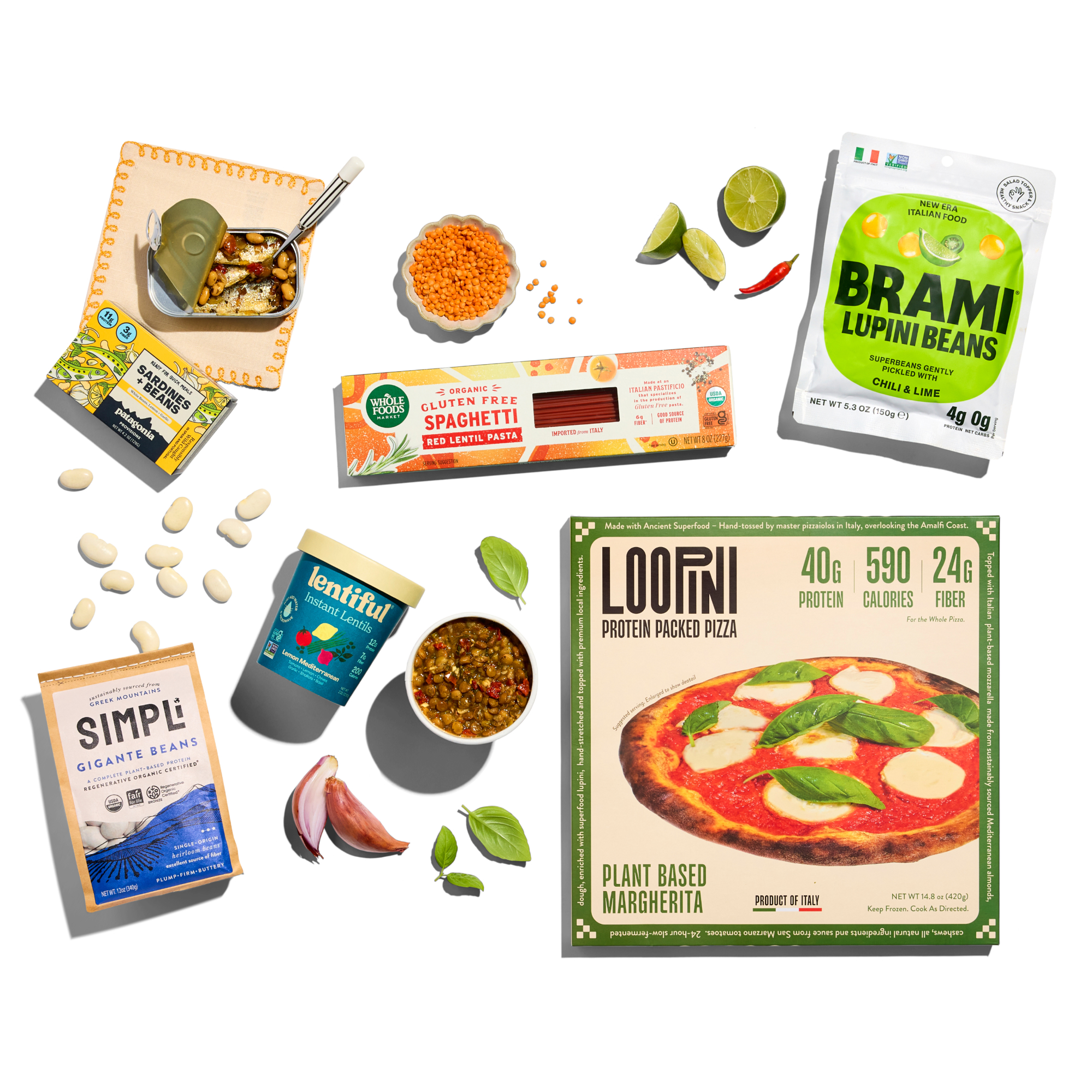
One of the forecast’s most familiar foods is also among its most practical. Whole Foods expects beans and other legumes to take a larger role in meals as shoppers seek affordable sources of protein and fiber.
Brothy butter beans, lentil bowls and heirloom bean stews are among the dishes highlighted, alongside snacks made with chickpeas, edamame and lupini beans.
As for the trends that didn’t make this year’s list, the council is keeping some under consideration.
“The strong contenders that don’t make it are typically too early in inception, which means we’re going to watch them and see if they will be ready for consumers in 2028,” Strange said. “Sometimes they are, sometimes they aren’t.”
RELATED: Austin’s Most Anticipated Restaurant and Bar Openings