
How to Make a Room Feel More Dynamic, According to Austin Designer Kim Lewis
The Austin-based interior designer offers ideas for using ceilings and floors to add texture, contrast and visual interest
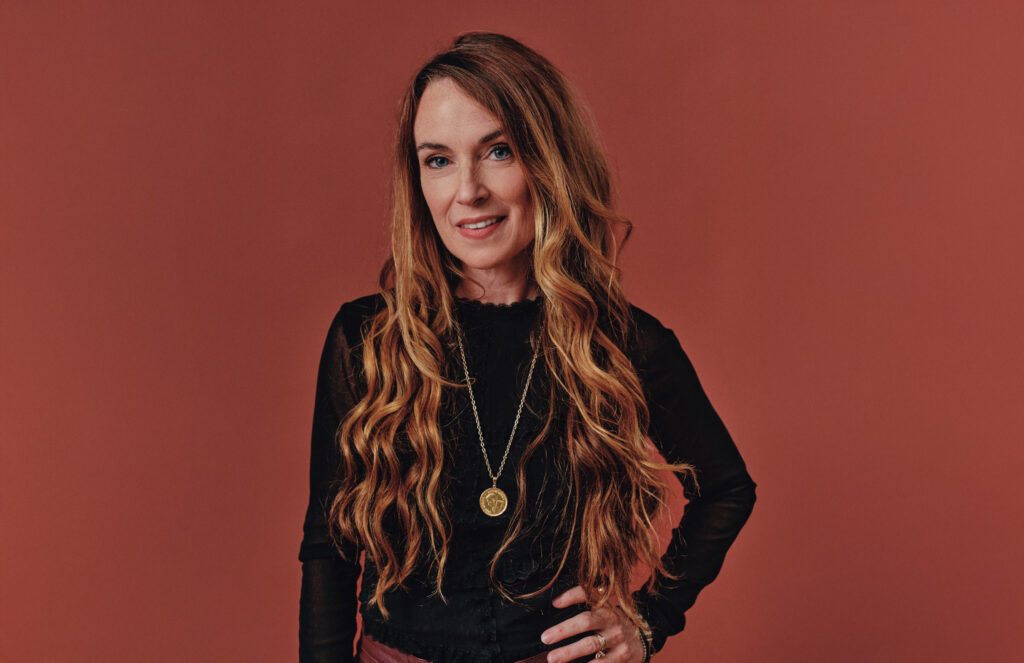
East Texas–born designer Kim Lewis leads the Austin-based studio Kim Lewis Designs, known for vibrant color, layered vintage pieces and craft-driven interiors across hospitality, commercial and residential projects. Lewis spent seven years as lead designer for ABC’s Emmy-winning “Extreme Makeover: Home Edition,” with additional appearances on ABC, HGTV, TLC, National Geographic and FYI Networks. Lewis also collaborates with nonprofits to design therapeutic art centers for children worldwide and serves on the advisory board of Art Feeds.

Successful design starts with a strong perspective. When I started out my career, I was taught that design should engage all of the senses. Our creative choices should not only spark visual interest, but include what you can hear, smell and feel in a room to solidify the human experience. Years later, I would emphasize that a design perspective starts with a narrative. Much like an author identifies characters and a climax, our spaces must have a plot.
If you ever took an art class growing up, your professor likely instructed you to start by drawing the horizon line. Find your center point across the page, then draw the walls out, addressing the sky and foreground. As an interior designer, visualizing a three-dimensional cube as we imagine a space keeps us from making a common mistake.
What is the common mistake?
We often neglect the fifth and sixth walls. The ceiling (fifth wall) and the floor (sixth wall) complete the design story. We get carried away with texture, color and materiality on the surfaces directly in front of us. We fixate on that horizon line, but a truly dimensional design will carry that thought. With clever focus and attention to the ceiling and floor planes, we engage all surfaces in the most prismatic sense.
The fifth and sixth walls are the cherry on top of the cake with the perfect silver platter.
How do we tangibly create that design recipe? Well, there’s no ceiling to the number of ideas, but I’m happy to share a few to spark the creative flow.

Wallpaper
Perhaps it won’t be your installer’s favorite approach, but everyone should have their own Michelangelo moment. Adding texture through wallpaper on the ceiling gives instant main character vibes. It adds interest to a room while maintaining some visual calmness on the vertical planes.
If you choose this path, I would lead you to the second idea:
Crown molding or beams
When we consider the abrupt intersection of a vertical plane (the wall), and how that surface meets the horizontal plane of a ceiling, if those materials are not intentionally created in partnership they can negatively impact the aesthetic and visual experience of a room. One timeless opportunity to bridge that gap is with a crown molding or beam detail. Trim softens the transition from the fourth wall to the fifth.
RELATED: How to Design a Charming Front Porch That Feels Welcoming and Timeless
Color drench
We’ve seen a lot of buzz around color drenching — essentially committing to one color on the walls, ceiling and sometimes even the floor. Depending on the selected color, this approach can be bold. It does, however, paint a perfect backdrop to layer on top of. It’s a commitment to the story.

A pop of color
Shifting in the opposite direction, using the fifth wall as your pop of color can be unexpected.
Drawing the eye up in the room creates drama and dimension. Consider wrapping the ceiling color down onto the wall to “cap” the look and merge the planes into one visual moment.
Fabric canopy bed
Canopy beds are an incredibly sophisticated way to add drama and bring your eye up to the ceiling, engaging that fifth wall.
Flooring
Groundbreaking designs can start with a good floor concept. Whether it’s a unique tile, wood inlay or an oversized (almost wall to wall) solid colored rug, the sixth wall can be a foundational statement.
Approaching a design as if you’ve stepped into a 3-D cube will help expand your mind to include those often forgotten fifth and sixth walls. The materials you choose tell the story. Sometimes you might find that main character moment in the most unexpected place.
Commit to your design perspective with confidence and then let the experience speak for itself.
RELATED: Kim Lewis’s Guide to Austin