
Inside Christie’s Lone Star’s Most Remarkable Historic Listings
Explore a curated collection of historic homes and landmark buildings being thoughtfully preserved, restored and brought to market through Christie’s International Real Estate | @properties Lone Star
This article is produced by TRIBEZA as sponsored content.
In a city defined by reinvention, some of Austin’s most compelling properties aren’t new at all. They’re the ones that have stood the test of time. Across Central Texas, a select collection of historic homes and landmark buildings is being thoughtfully preserved, restored and brought to market through Christie’s International Real Estate | @properties Lone Star, a brokerage increasingly recognized for pairing architectural stewardship with modern luxury representation.
From 19th-century landmarks in East Austin to longtime commercial buildings in fast-growing small towns, these properties are more than real estate — they’re part of Texas history. While the firm is known for its seasonal storytelling centered on community and connection, its historic portfolio shows a clear through line: a commitment to homes with narrative, provenance and place.
Here are several standout historic listings currently shaping that conversation.
Valentine's Day Gift Guide








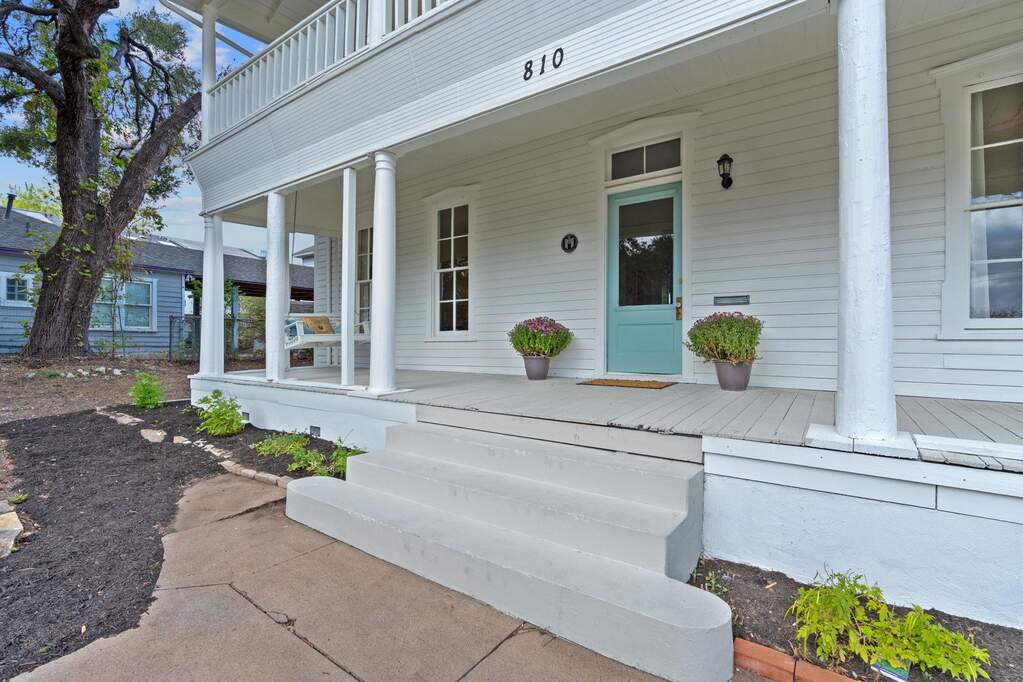
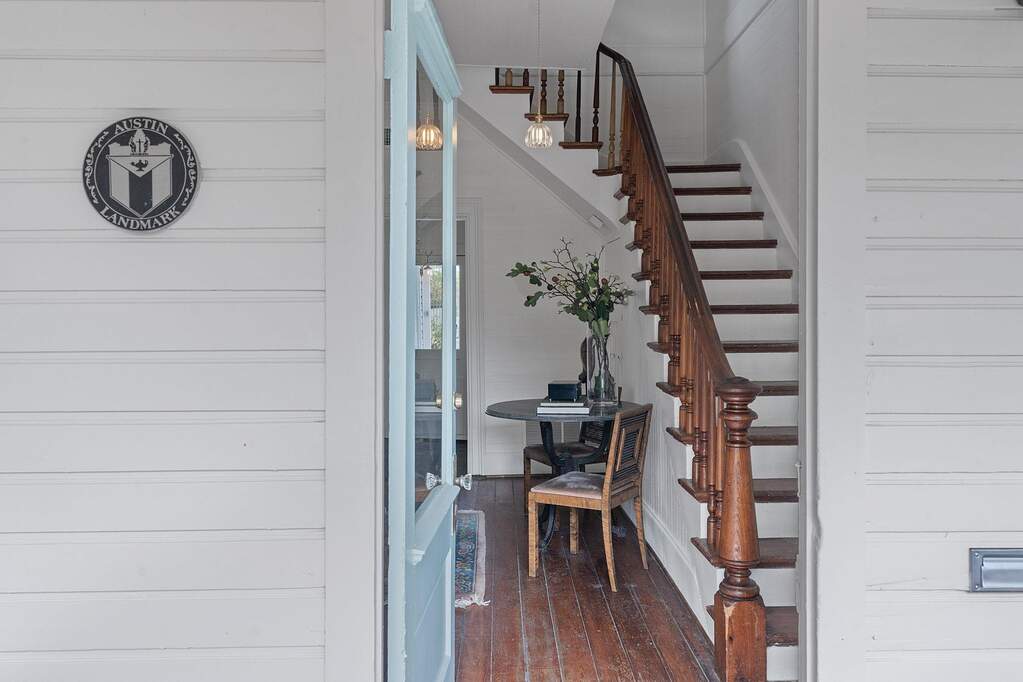
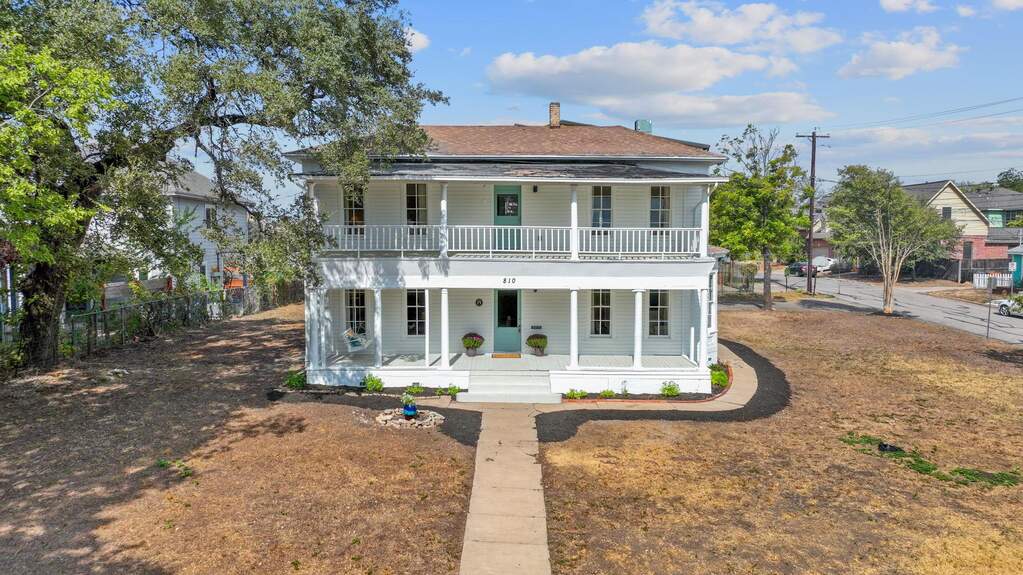
The Limerick–Frazier House: A Green Book Landmark in East Austin
810 E 13th St., Austin, TX 78702
Tucked into the Swede Hill Historic District, the Limerick–Frazier House stands as one of East Austin’s most culturally significant residences. Built in 1876 by Irish immigrant Joseph Limerick, the home reflects late-19th-century Texas vernacular architecture, including its traditional I-plan layout, clapboard siding and prominent front porch.
Its deeper significance emerged in the early 20th century when the property was purchased by Professor John W. Frazier of Samuel Huston College. Under the operation of Mrs. Laura Allman Frazier, the home later became a listed “tourist home” in “The Green Book,” providing safe lodging for Black travelers during segregation when most hotels were inaccessible. Few residential properties in Austin carry such direct ties to that era’s travel and civil rights history.
Architectural elements including original wood floors, balloon framing, brick fireplaces and detailed mantels remain largely intact, earning recognition for historical integrity. Today, the home stands not only as preserved architecture, but as preserved social history within one of Austin’s most storied neighborhoods.
Old Enfield Elegance: A 1933 Residence Rooted in Craftsmanship
1609 Wethesfield Road, Austin, TX 78703 (Coming soon by Erica Balbay)
In Old Enfield, one of Austin’s most established and architecturally cohesive neighborhoods, a 1933 residence offers a study in proportion, materials and enduring design. Arched entryways, vintage brickwork and handcrafted windows speak to a period when residential construction prioritized detail and longevity.
Thoughtful modern updates have been layered in without erasing character, a balance increasingly valued among Austin buyers seeking authenticity over imitation. Natural light moves easily through the interiors, highlighting craftsmanship choices that feel intentional rather than decorative. Mature trees and a secluded backyard create a sense of retreat just minutes from downtown, reinforcing Old Enfield’s lasting appeal as a neighborhood where heritage and proximity coexist.
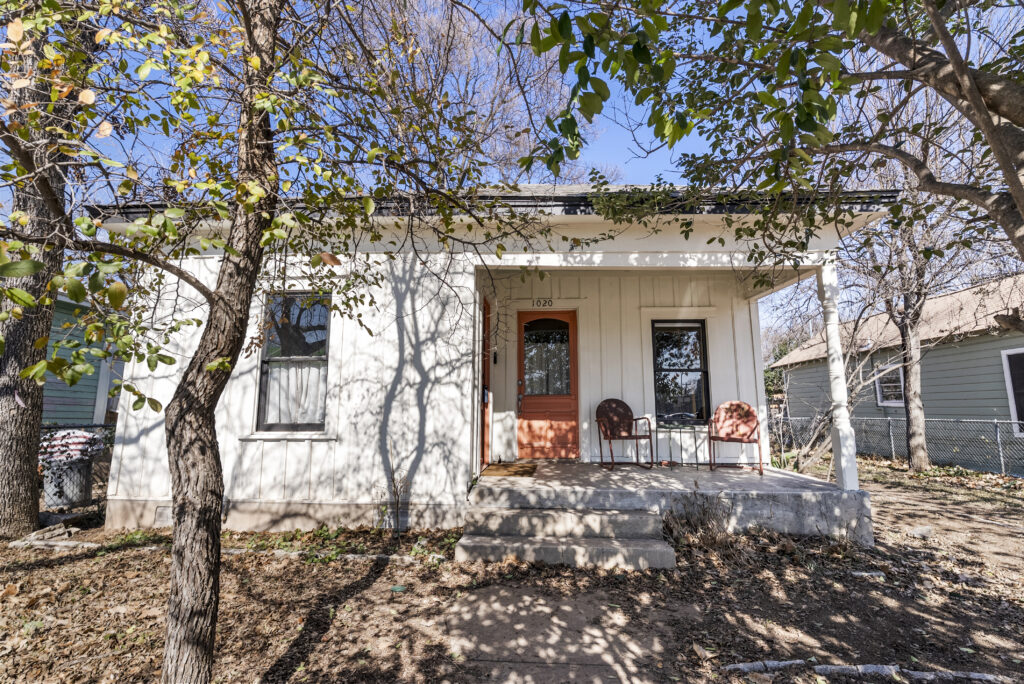
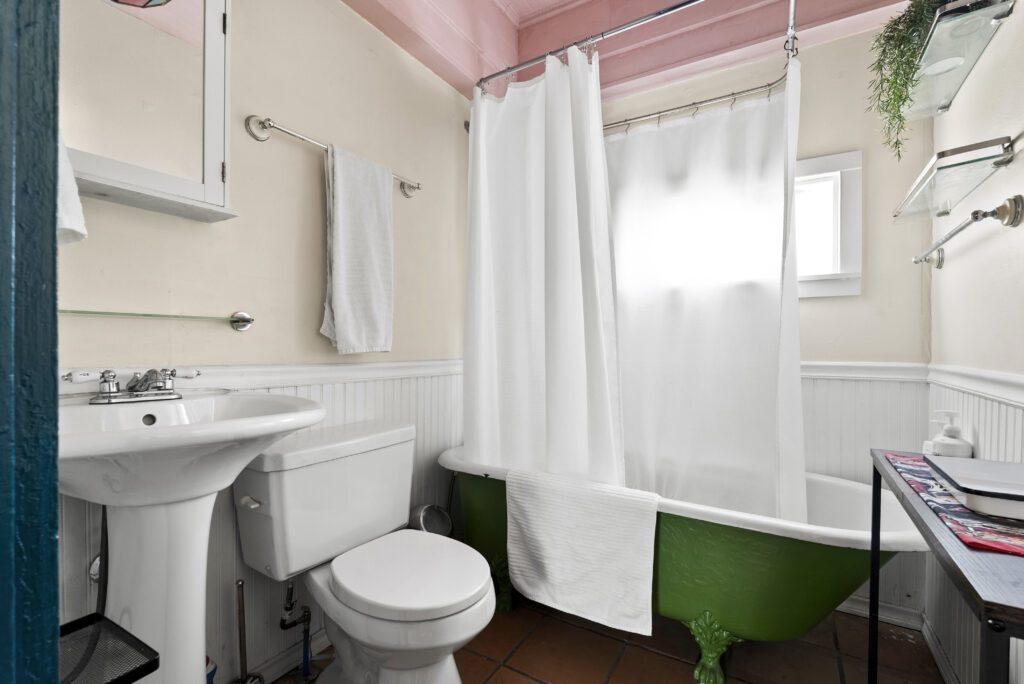
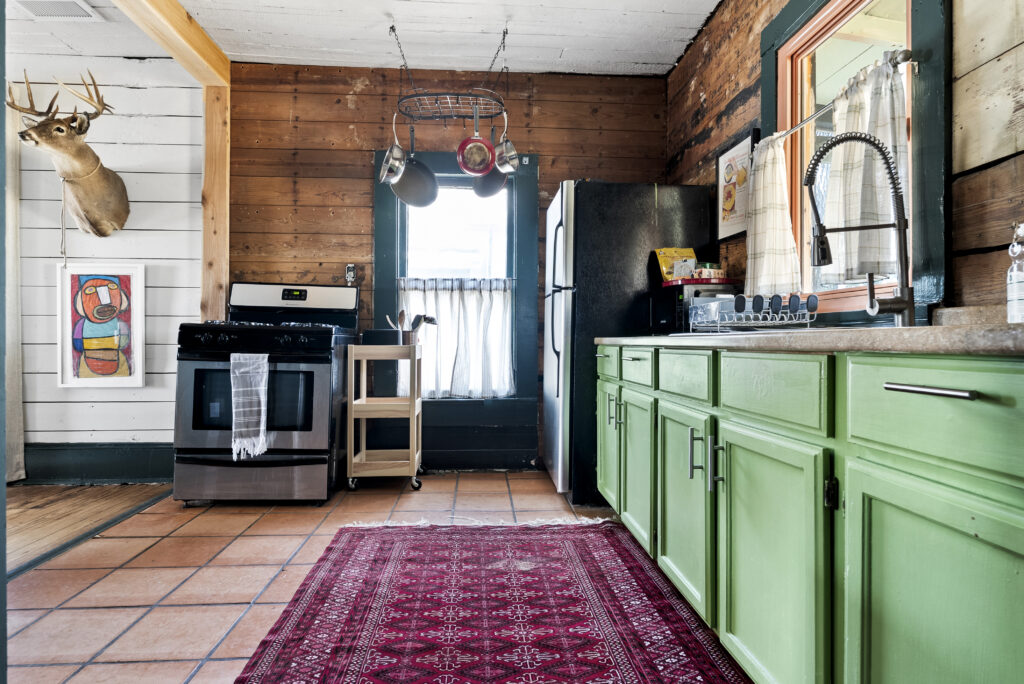
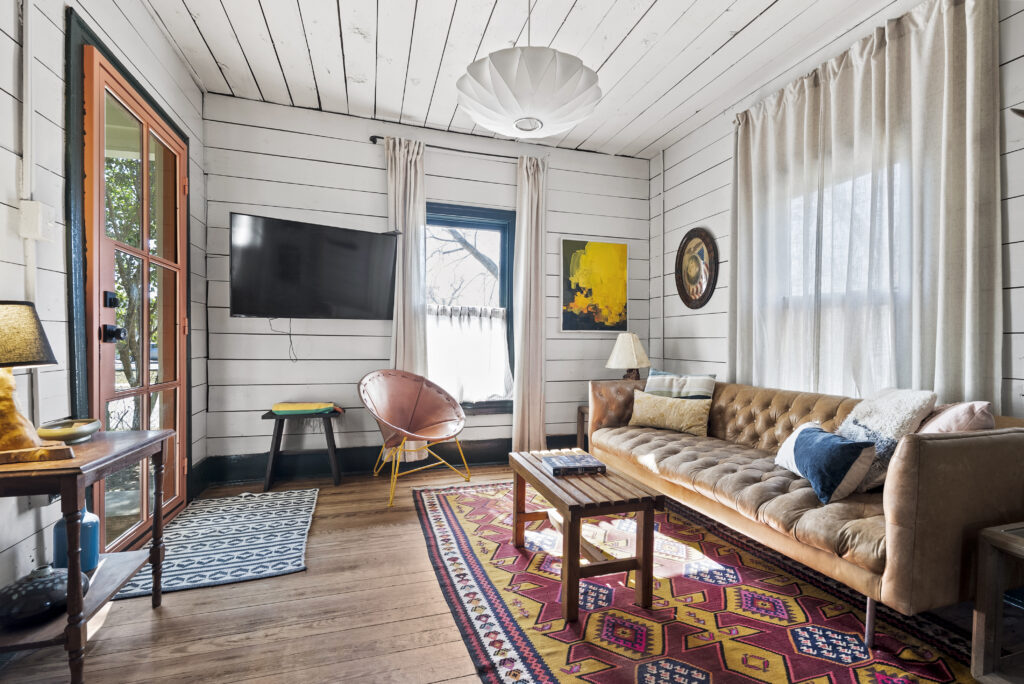
A Tejano Legacy Property with Skyline Views
1020 Spence St., Austin, TX 78702
Situated between Rainey Street, East Sixth, the Holly District and the Lady Bird Lake trail, a distinctive property connects music history with future development potential. The site was purchased from the estate of Tejano legend Ernest Rangel Perez, who is honored through public sculpture and recognition at the Mexican American Cultural Center Plaza and the Trail of Tejano Legends.
The existing bungalow is slated for architectural integration into a future residential design, preserving its roots while expanding its footprint. The location is walkable to multiple cultural districts and positioned for downtown skyline views. Updated zoning flexibility and condominium regime division allow for additional structures and rooftop terraces, offering long-term development potential.
As listing agent Jéan Bruns describes it: “This property is Austin’s culture in every way — past, present and future. It truly speaks to Austin.”
Downtown Endurance
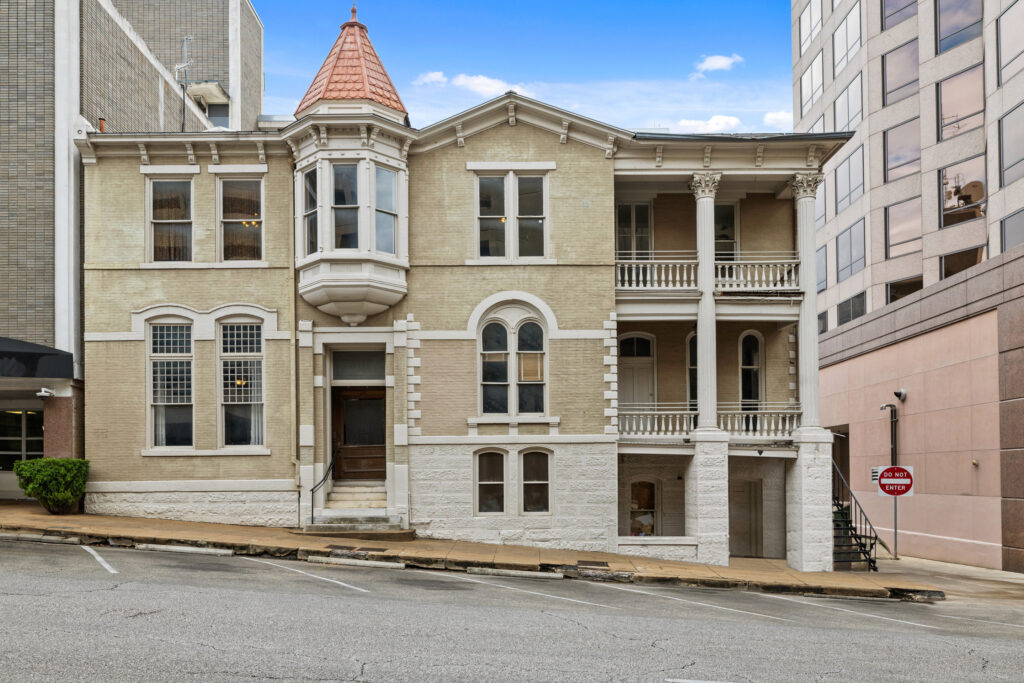
109 E 10th St., Austin, Texas 78701
Two blocks from the Texas State Capitol stands one of downtown Austin’s earliest surviving commercial structures. Built in 1876 for civic and education leader Dr. Thomas D. Wooten, the three-story building reflects the durability and scale of early urban construction.
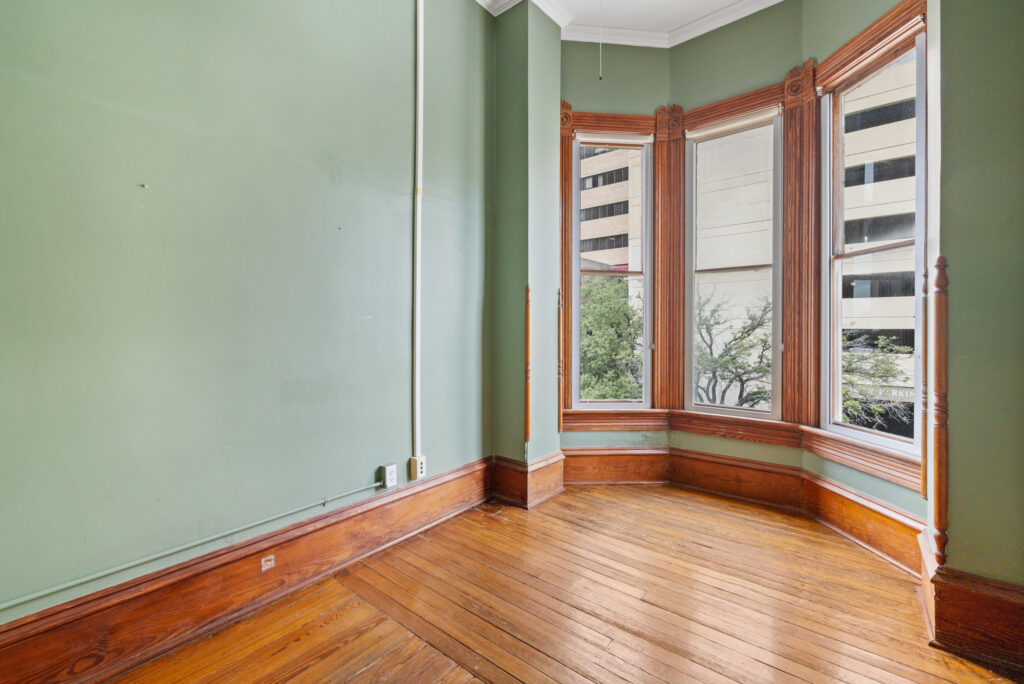
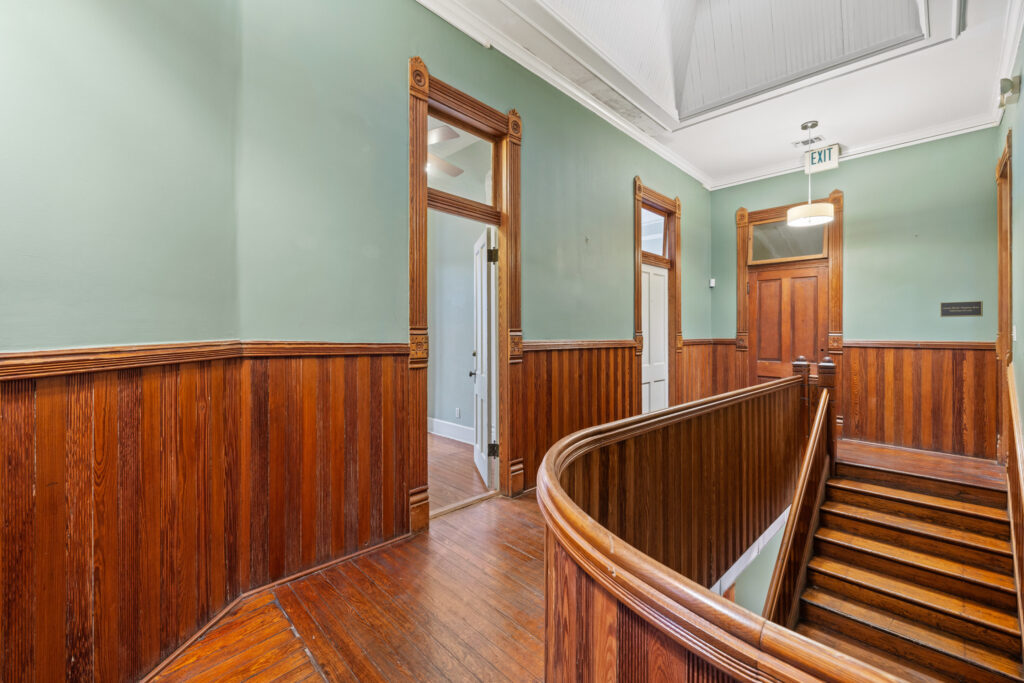
High ceilings, original wood detailing and multiple balconies remain defining features across its nearly 5,000 square feet. Its flexible layout invites adaptive reuse from boutique hospitality to creative office or residential conversion continuing a pattern of evolution that has defined the building for nearly 150 years.
As downtown density increases, preserved structures like the Wooten Building grow rarer and more architecturally valuable. For listing agent Hannah Neme, the connection is personal.
“As someone who grew up around historic homes, I developed an early appreciation for true craftsmanship and traditional architecture even before I realized it,” she says. “The materials, the detailing, the permanence, is something modern construction rarely replicates. This Victorian-era building reflects a time when design prioritized artistry and longevity. Representing a property like this feels less like selling real estate and more like stewarding a legacy.”
Mid-Century Roots in Central Texas
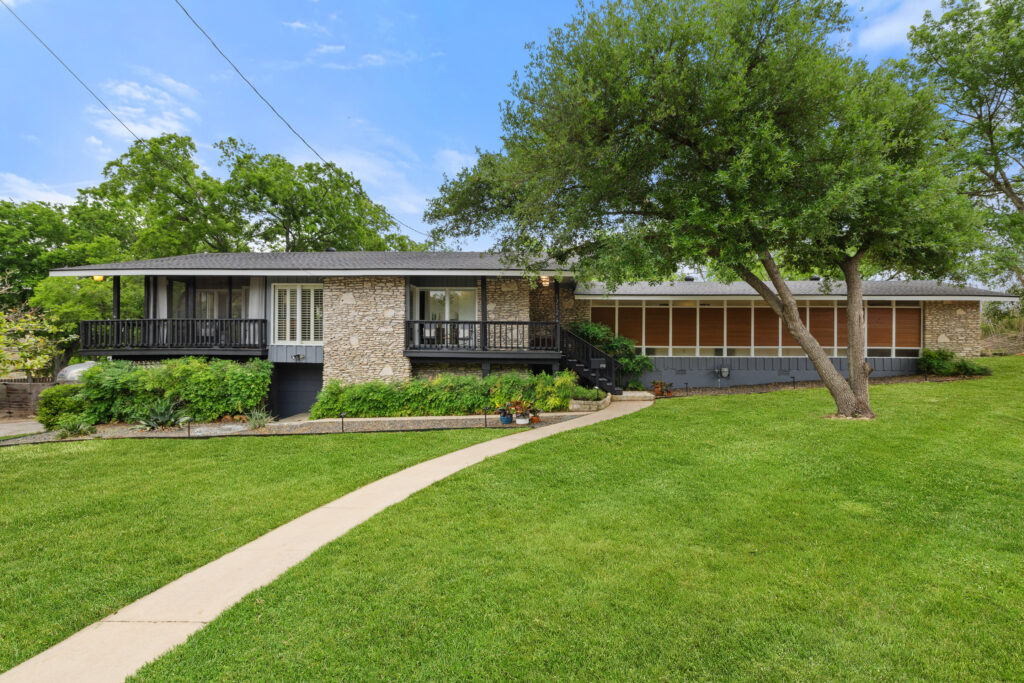
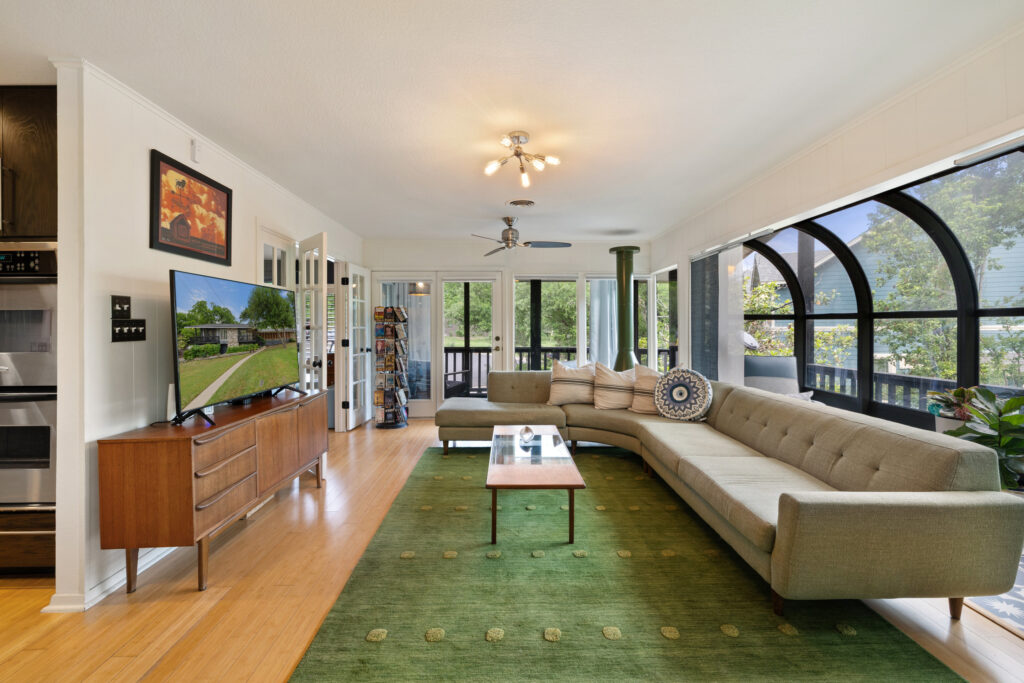
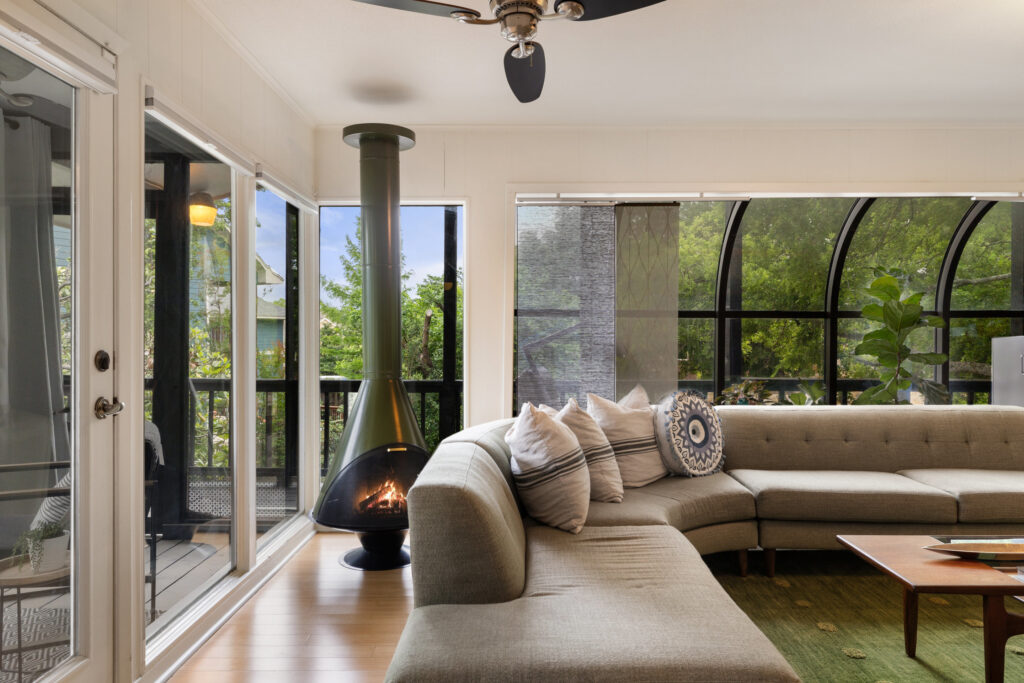
1712 McCoy Place, Georgetown, TX 78626
Historic value is not limited to the 1800s. A 1965 residence in the Georgetown area highlights growing market appreciation for mid-century properties. These homes are known for structural integrity, generous lots and renovation flexibility. As buyers look beyond purely aesthetic vintage appeal, mid-century construction is increasingly viewed as a foundation for thoughtful modernization while retaining original character.
A 19th-Century Commercial Anchor in Hutto
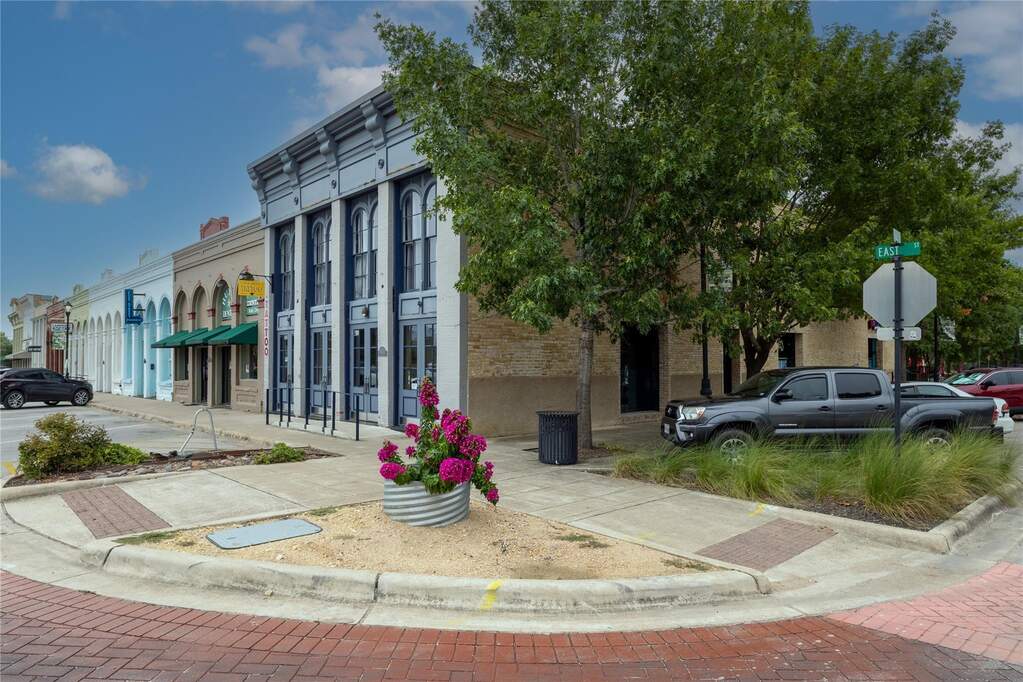
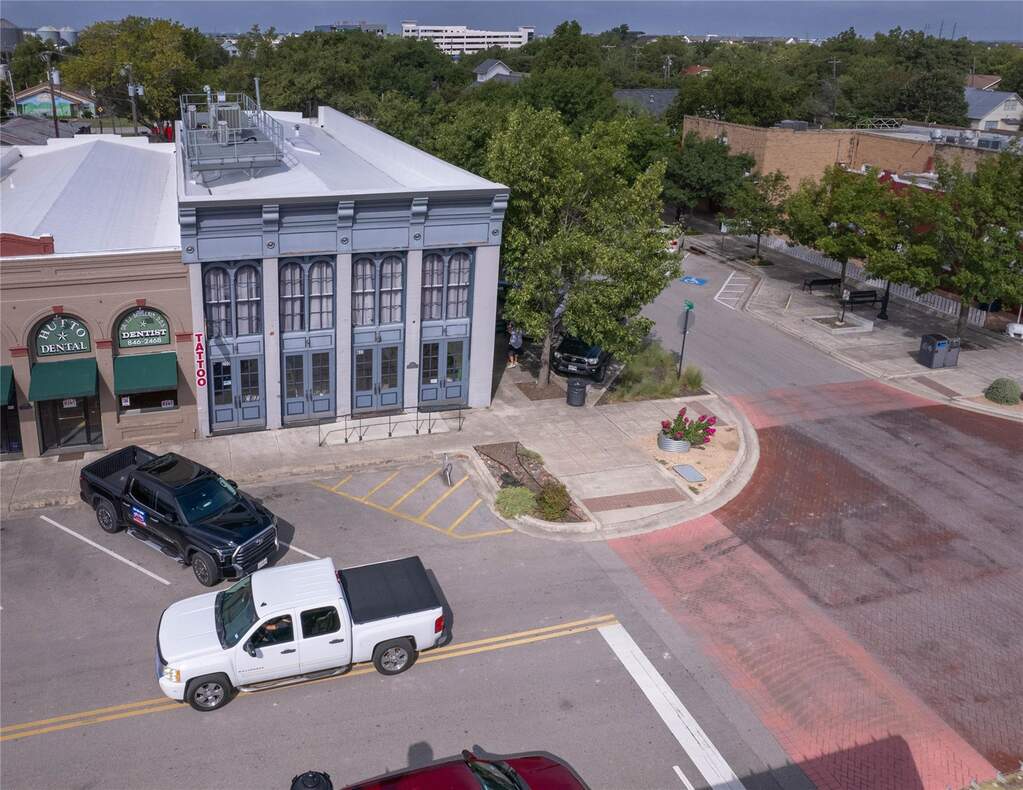
117 East Street, Hutto, TX 78634
In historic downtown Hutto, a preserved 1890 structure once operated as the original Ed Schmidt Grocery before transitioning through residential and commercial chapters, including being featured on HGTV. Today, the building supports retail and restaurant space and sits at the center of major district redevelopment plans.
Recent infrastructure upgrades, including fire suppression, roofing replacement and restaurant venting capacity, position the property for long-term use as the surrounding area grows. It serves as an example of how historic commercial buildings can remain economically active while retaining architectural identity.
The New Luxury Signal: Story Matters
Across Austin’s evolving real estate landscape, historic properties are drawing renewed attention not only for their aesthetics but also for their history. Buyers increasingly seek homes and buildings that offer continuity, craftsmanship and cultural context.
Christie’s Lone Star represents several such properties, focusing on preservation awareness and architectural context in its marketing approach. Its historic listings reflect the continued demand for properties with documented significance.
As citywide conversations turn toward what Austin values and preserves, these homes underscore a broader point: Historic properties remain active parts of the community.