
Moki Cherry’s Colorful World Comes to The Contemporary Austin
The museum will present the largest U.S. exhibition of the late artist’s groundbreaking work this fall
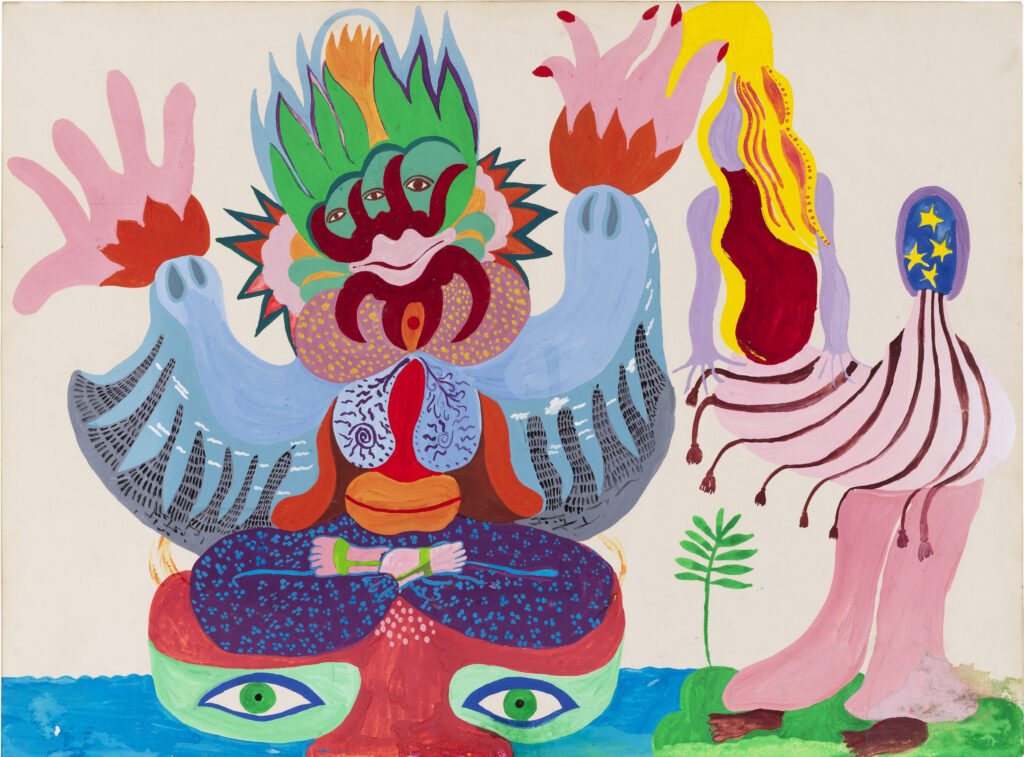
Swedish artist Moki Cherry rejected a life in conventional fashion design, stitching explosively colorful tapestries and creating art while traveling the world with family. This fall, The Contemporary Austin will debut the largest stateside exhibit of her work to date. Displays will illuminate the artist’s achievements throughout her career, with works created during and after her decades-long partnership with American free jazz luminary Don Cherry, whom she met in 1963. Moki Cherry continued creating her colorful art for the rest of her life, leaving behind a legacy of joy and creativity when she died in 2009.

Co-creation
Perhaps best known for her images reproduced as album covers for Don Cherry, Moki’s vivacious, color-saturated world extended far beyond. “I think it’s a powerful statement in this moment to be confronted with a vision that is multicultural, joyous, collaborative and based in connecting women’s labor with the space of art and these broader explorations of what the world could look like,” said The Contemporary Austin’s Deborah Dupré Head Curator and Director of Curatorial Affairs Alex Klein.
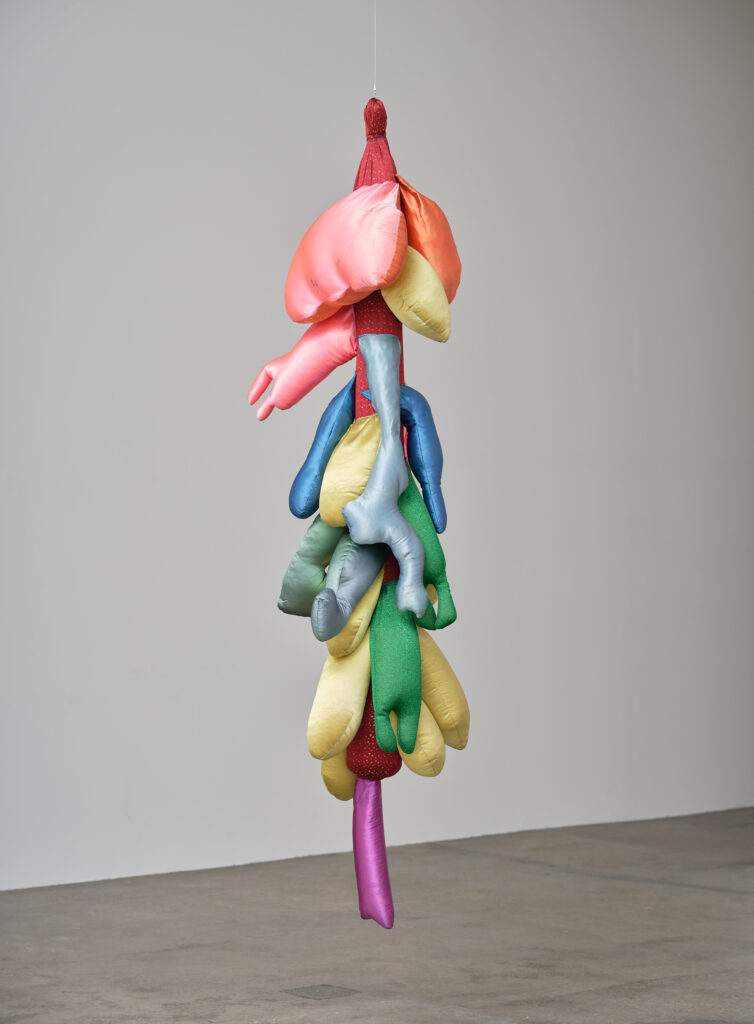
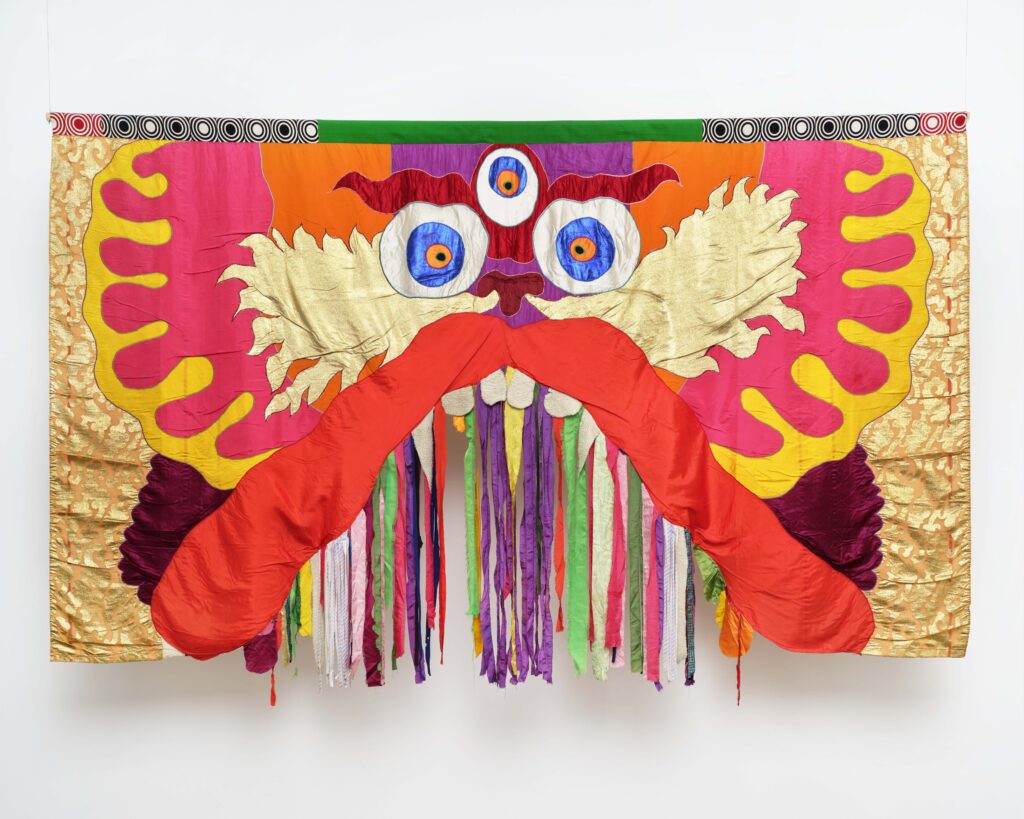
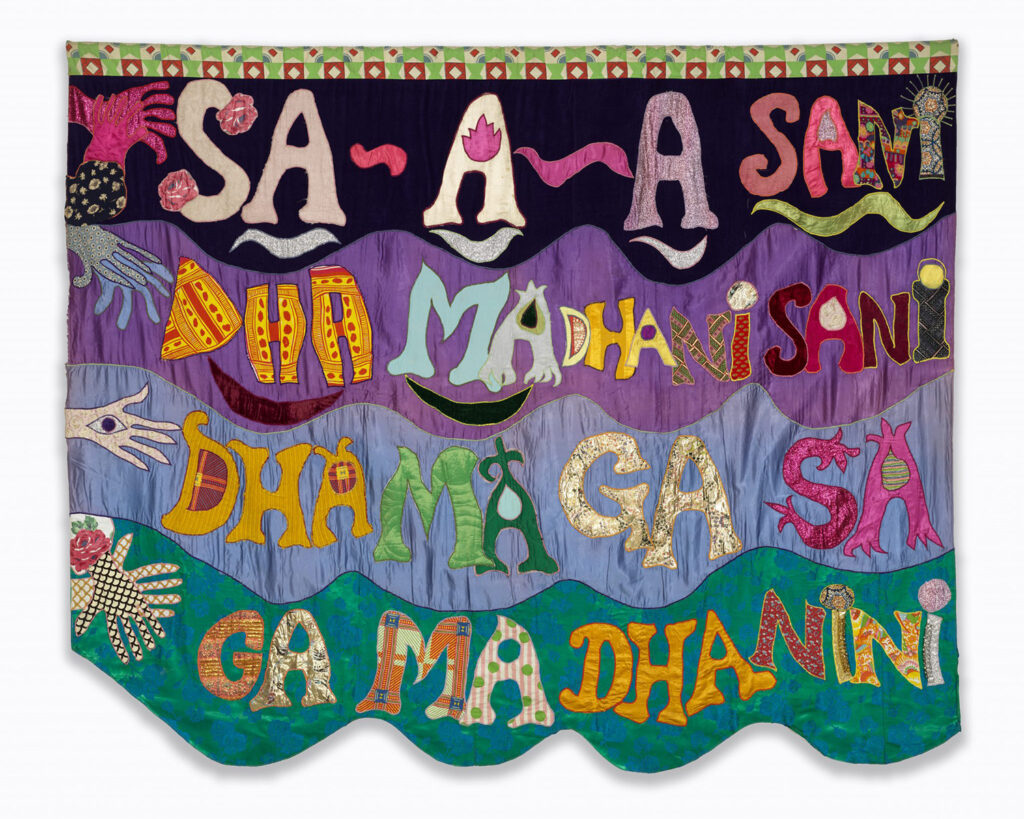
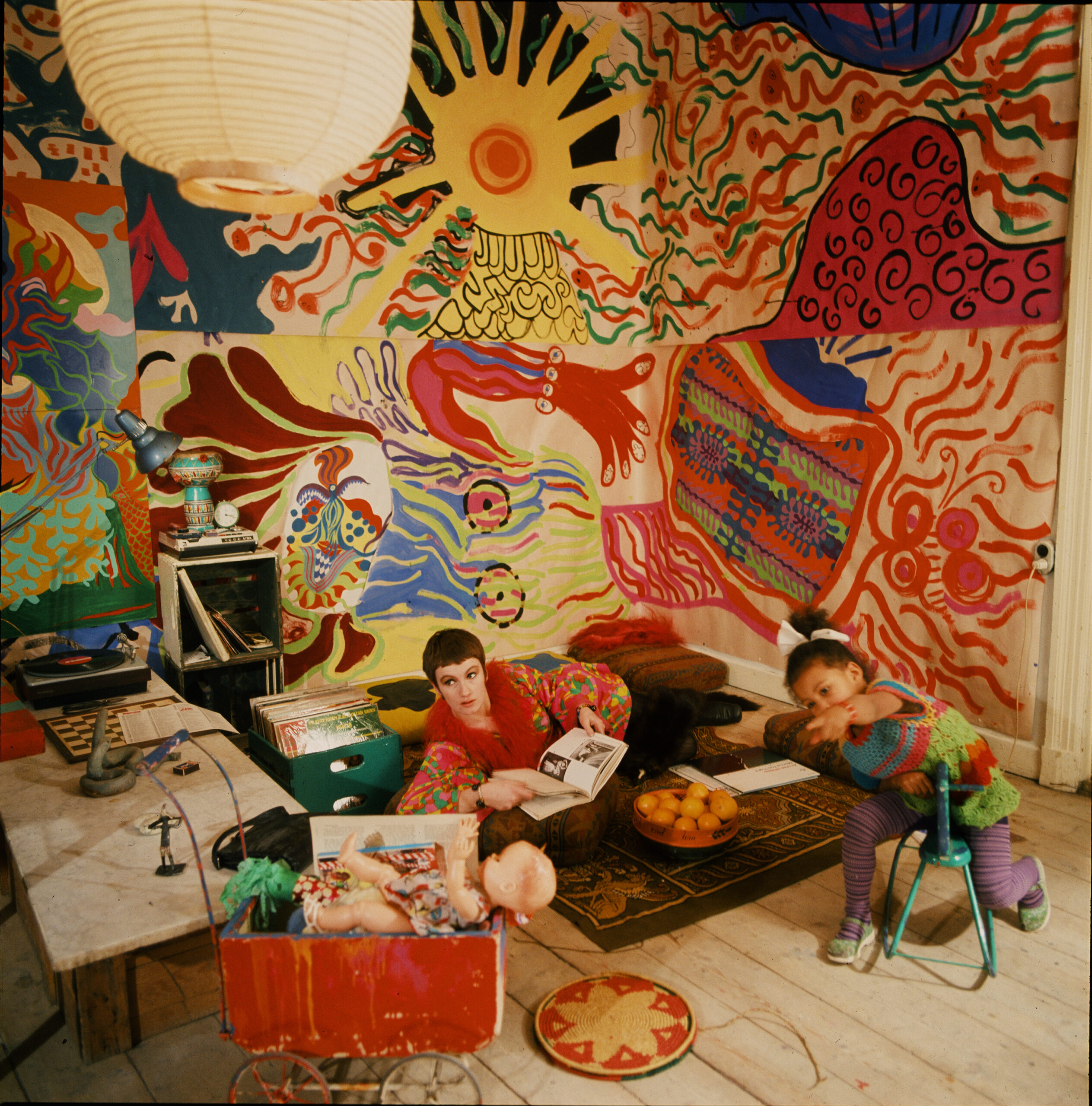
Moki carried a sewing machine around the globe creating bright, layered applique tapestries and head-turning costumes. Light sculptures, exuberant paintings and fantastical ceramics further extended her practice. Her interest in Buddhism, world cultures and communal living shines through the organic, glowing scenes from her textiles and paintings. “Home is stage, stage is home,” she is often quoted as having said.
SHOP


Fabric and family
At age 19, Moki moved to Stockholm and studied fashion. She met Don Cherry in 1963. In 1964, she became a mother with the birth of future singer Neneh Cherry. Her second child, Eagle-Eye Cherry, was born in 1968 and would also go on to achieve widespread acclaim as a musician.
The young family grew and traveled widely, sometimes in a van, other times planting roots in New York City, Vermont and rural Sweden.
Don Cherry’s album covers credited to or featuring Moki’s work include “Where is Brooklyn?,” “Organic Music Society,” “Relativity Suite” and “Brown Rice.” The designer’s costumes, banners and large-scale textile works often appeared onstage during concerts and happenings. Many works were first displayed in the family home, a welcoming setting intentionally cultivated as a community space to stage performances and invite connection.
In 1971, Moki and her family spent three months living, working, performing and collaborating with the public inside a geodesic dome as part of a Swedish exhibit curated by Pontus Hultén called “Utopias and Visions 1871–1981.” That same year, Moki and Don starred in Swedish children’s television show “Piff, Paff, Puff.” In 1978, Moki founded Octopuss Theater in Tågarp, a children’s theater group where she designed the costumes and sets. Many of its young participants later built careers in art, design and production.
On view
Previously on view at Philadelphia’s Fabric Workshop and Museum and curated by Ars Nova Workshop Executive and Artistic Director Mark Christman, the exhibition “The Living Temple: The World of Moki Cherry” was developed in partnership with the artist’s estate, including her daughter Neneh Cherry and granddaughter, multidisciplinary artist and musician Naima Karlsson. The show, adapted by Klein for the presentation at The Contemporary, will be on view at The Jones Center from Sept. 18, 2026, to Jan. 17, 2027, and will feature textiles, costumes, posters, ceramics, sculpture and video.
Public programming at The Contemporary will feature talks and performances by Karlsson, along with Bard College’s Director of Film and Electronic Arts Ephraim Asili and Mexico City-based free jazz pianist Ana Ruiz. The exhibition will also include a music listening series highlighting Don Cherry albums closely associated with Moki, along with preview clips from a feature-length documentary on Moki and Don, produced by Asili.
“I jumped on the opportunity to bring to Austin because I thought it would be a perfect fit for our community given the deep music history and collaborative, multidisciplinary arts scene,” says Klein. Together, these programs broaden the exhibition’s focus on Moki Cherry, emphasizing her artistic legacy and her role in shaping a collaborative practice where music, visual art and community intersect.
RELATED: Acclaimed Artist Maya Lin to Bring New Public Artwork to UT Austin