
Austin Running Coach Gilbert Tuhabonye Turned Survival Into a Lifetime of Giving Back
A survivor of the 1993 massacre in Burundi, he now mentors generations through Gilbert’s Gazelles and supports clean-water projects that have reached over 150,000 people in his home country
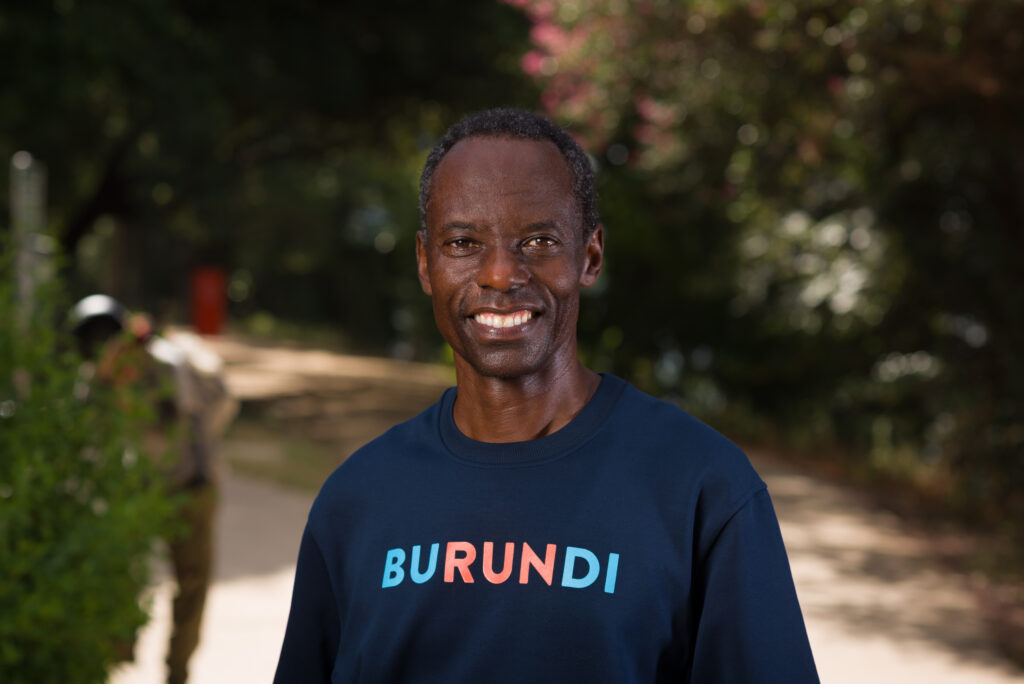
For nearly 25 years, Gilbert Tuhabonye has helped shape Austin’s running community by paying attention to the people within it. He knows his runners’ names, understands their goals and notices when someone needs encouragement. His influence now extends across generations, with some longtime members of his running group, Gilbert’s Gazelles, returning with children and grandchildren of their own.
Tuhabonye’s leadership in Austin began at RunTex, a former Austin running store where he started working after moving to the city in 2001. Founder Paul Carrozza became a mentor, showing him how running could bring people together and support causes beyond the sport.
In 2002, three women training for a triathlon asked Tuhabonye to coach them. He initially helped them for free, but the informal workouts quickly grew as they invited friends and co-workers. Those early sessions became Gilbert’s Gazelles.
SHOP


“One day I showed up, and there were 20 to 30 people,” he says.“You have to understand why people come to you,” Tuhabonye explains. “They look to be challenged. They look to be pushed. They look for connection. I’m there for them.”
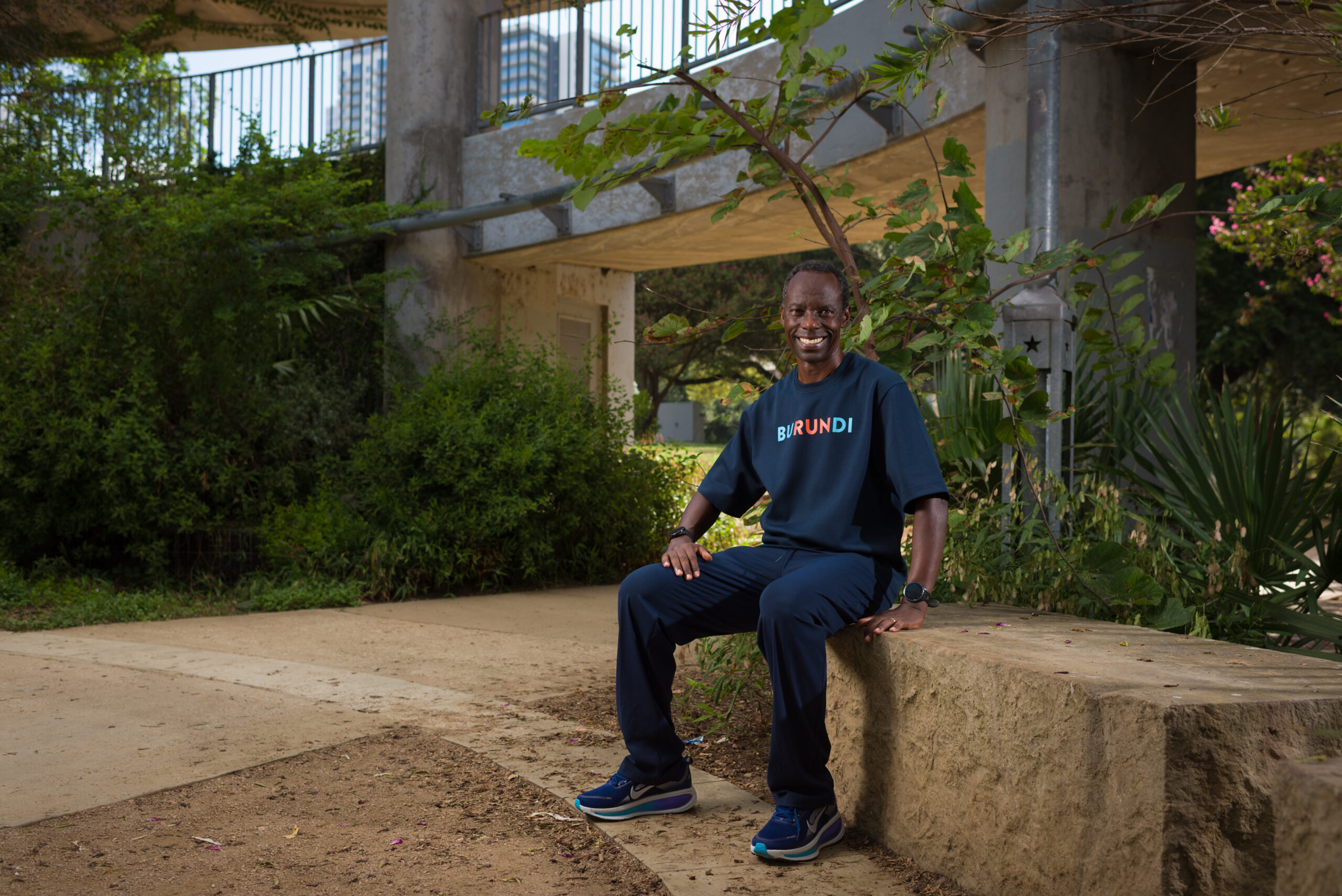
More than the miles
Today, the group serves hundreds of runners, from beginners learning the fundamentals to experienced athletes training for marathons. Tuhabonye has maintained the same level of dedication as the group has grown.
“I don’t think I’ve missed a single day,” he says. “In all these years, I’ve probably been late once.”
His workouts are known for their energy and sense of community. African chants mark birthdays and weddings, while the miles shared around Austin often lead to lasting friendships. Tuhabonye calls the Gazelles his extended family.
“They think I inspire them, but they inspire me to be creative and to love the workouts,” he says. “At the end of the day, it’s not about running fast. The key here is connection and family.”
He brings that same philosophy to St. Andrew’s Episcopal School, where he serves as head cross-country and track coach. Tuhabonye encourages parents to ask young athletes what they learned from a race instead of where they placed or whom they beat.
“Did you go out fast? Did you eat well? Did you sleep well? Were you nervous?” he says. “Every race is a learning opportunity.”

Running toward a greater purpose
The community Tuhabonye built through Gilbert’s Gazelles eventually helped launch an international effort. In 2006, he and a group of supporters established the Gazelle Foundation, which funds clean-water projects in Burundi, Tuhabonye’s home country.
The need is personal. Tuhabonye grew up running to fetch water for his family and often avoided drinking because he feared becoming sick. In 1993, he survived the Kibimba massacre in Burundi, in which more than 100 Tutsi students and teachers were killed. Rather than allowing the tragedy to determine the rest of his life, he has used his second chance to help others.
“When I look back and ask why I survived, the answer is that I was given another chance to do good, to help others and to bring hope to people,” he says.
The Gazelle Foundation has helped provide clean water to over 150,000 people in Burundi. The impact reaches beyond hydration, allowing children to spend more time in school, families to grow food and residents to avoid illnesses caused by contaminated water.
“You take a family that never had water and had to walk two miles to get it,” Tuhabonye says. “Now they have water by the house, and their whole life changes.”
Each registration for Run for the Water, the foundation’s annual Austin race, helps provide one person with lasting access to clean water. This year’s event takes place Nov. 8.
Every Oct. 21, the anniversary of the massacre, Tuhabonye also carries a 20-pound jug of water from Lady Bird Lake to the Texas Capitol with a group of friends. The pilgrimage honors those who died while raising awareness of what families in Burundi endure daily.
“Water is life,” he says. “Yes, I went through hell, but now I’ve been given a chance to use it for a good cause and change lives.”
For Tuhabonye, leadership comes down to the advice his mother gave him before he left Burundi: “Love God and love people.”
“Love what you’re doing, love the people, and things will follow,” he says. “That’s what I try to do.”