
Meet Cribs Consulting, the Austin Company Behind Some of the City’s Most Memorable Short-Term Rentals
The full-service firm is helping investors avoid costly mistakes and create rentals guests actually want to book

This article is produced by TRIBEZA as sponsored content.
Have you ever stayed at an Airbnb, Vrbo or another short-term rental and wondered whether you could turn a property into an additional source of income?
Experienced hosts can make the process look simple, but Blake Anthony Carter and Jeremy Courtney, co-founders of Cribs Consulting, say operating a successful short-term rental requires far more than furnishing a home and publishing a listing. It is an investment and a hospitality business, not a passive side project.
Known as one of Central Texas’ premier short-term rental management companies, Cribs Consulting helps Central Texas investors navigate the process, from identifying and evaluating properties to developing concepts, overseeing renovations and managing guest stays.
How It All Started
The idea for Cribs Consulting took shape in 2022, when Carter, a short-term rental investor himself, recognized how fragmented the industry had become. Investors often worked with separate professionals to find a property, evaluate its potential, design the interiors and manage the finished rental. The property manager, however, frequently had no involvement in the decisions made earlier in the process.
“That model never made sense to me because every one of those decisions affects how the property ultimately performs,” said Carter. “We built Cribs to bring the entire process under one roof.”
Cribs Consulting now provides turnkey services for short-term rental investors throughout Central Texas.

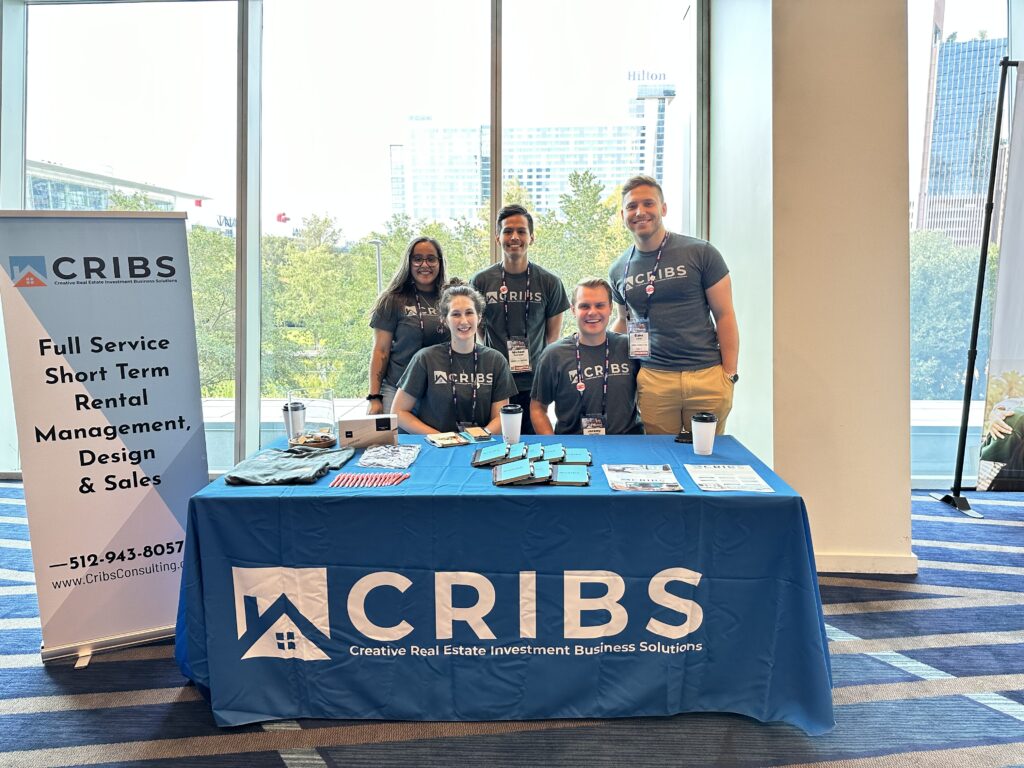

The Cribs Consulting Difference
Carter and his team help clients identify and purchase properties, analyze potential investments, develop concepts and oversee renovations and interior design. Once a property is ready, the company launches the listing and manages its ongoing operations.
Today, the firm manages nearly 100 short-term rentals and has helped more than 400 investors navigate the market, earning a reputation as one of Central Texas’ top short-term rental management companies. Courtney leads the company’s management operations, while the broader team approaches each property as both a real estate investment and a hospitality business.
Carter and Courtney also own short-term rentals, giving them firsthand experience with the challenges their clients may encounter.
“We don’t give advice from theory,” said Carter. “We own short term rentals ourselves. We have experienced slow months, difficult guests, renovations, city regulations, maintenance emergencies, changing algorithms, and all the other realities that come with operating these types of properties.”
Rather than focusing solely on property management, they consider how decisions made during the purchase, renovation and design stages could affect a rental’s long-term performance.
“A property manager can only do so much if the wrong house was purchased, the layout does not work, the design is forgettable, or the investment was based on unrealistic projections,” said Carter. “Our goal is to help clients make the right decisions from the beginning. Sometimes that means telling someone not to buy a property. We would rather lose a deal than put a client into an investment we do not believe in.”
How to Succeed in Austin’s Short-Term Rental Market
As competition has increased, Carter said investors can no longer assume that an attractive home will automatically generate bookings. Each property needs a clear concept and a guest experience that distinguishes it from other listings.
“We do not believe in simply furnishing a house, putting it online, and hoping people book it,” said Carter. “Every property needs a reason for someone to choose it over the hundreds of other options available.”
One of the most common mistakes inexperienced investors make, Carter said, is treating a short-term rental like a conventional residence instead of a business.
“People often believe that if they purchase a nice enough home, add some furniture, and list it on Airbnb, the property will automatically perform,” said Carter. “That may have worked during periods when demand greatly exceeded supply, but it is no longer enough. Guests are comparing your property to hundreds of other listings and you really have to know how to set your property up correctly so that it stands out enough to really perform at a high level.”
Performance can depend on several factors, including photography, layout, sleeping arrangements, amenities, reviews, pricing, communication, cleanliness and the overall guest experience.
Investors must also evaluate a property using realistic financial projections. Operating costs can include utilities, maintenance, cleaning, platform fees, management, replacement furnishings, taxes, insurance and unexpected repairs. Seasonal changes in demand should also be considered.
“Gross revenue can look impressive, but gross revenue is not the same thing as profitability,” said Carter. “The investment has to make sense under realistic assumptions, not just the most optimistic scenario.”



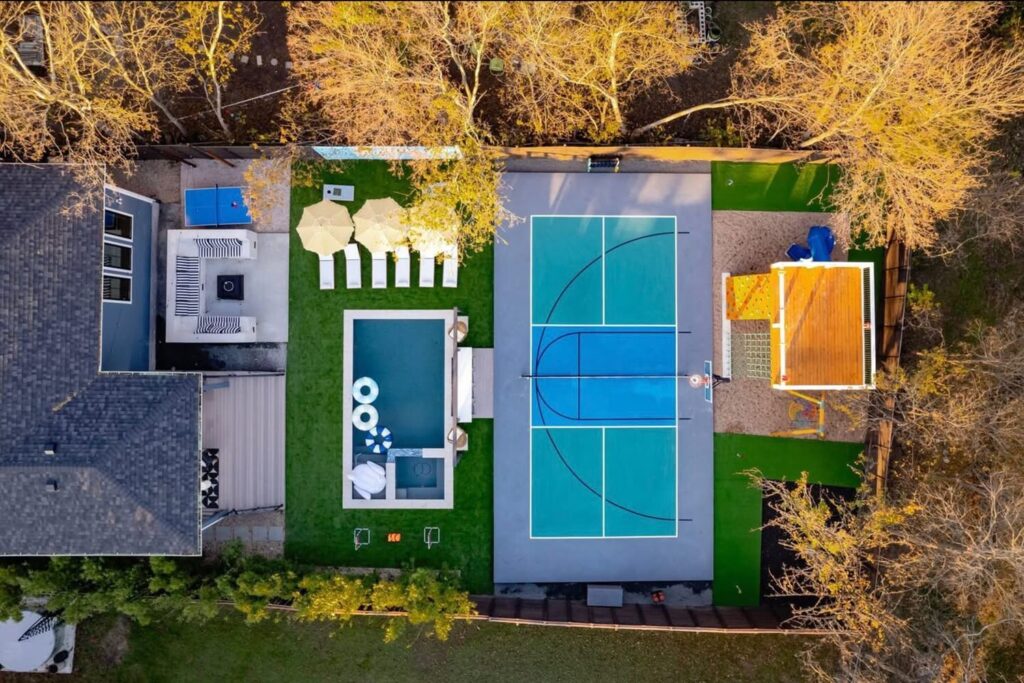




Investing in Long-Term Success
Carter and Courtney have also learned that successful hospitality requires continued investment. Guest expectations change, and a rental that stood out several years ago may no longer feel distinctive. Owners must regularly assess their properties, improve the experience and pay attention to what travelers value.
“Most importantly, I have learned not to settle for good enough,” said Carter. “Our one core value is to never settle for good enough. There are thousands of acceptable short term rentals. Acceptable properties get lost. The properties that win are intentional, memorable, well operated, and consistently cared for.”
Austin attracts short-term rental guests for music and cultural events, weddings, corporate travel, university activities, sporting events and family trips. The communities surrounding the city also offer distinct experiences that appeal to different types of travelers.
“A short term rental is a real business attached to a real estate asset,” said Carter. “When it is purchased correctly and operated intentionally, it can create cash flow, long term appreciation, memorable experiences for guests, and more. That combination of real estate discipline and genuine hospitality is what we have built Cribs around. When it comes to management, you either need to really know what you’re doing or hand it off to someone that does.”
By combining investment analysis, design, hospitality and property management, Cribs Consulting aims to help clients make informed decisions throughout the full life cycle of a short-term rental.