
Is Rainey Street Back? A Look at Its Evolution in Austin and What to Expect Now
After years of closures and construction, Austin’s historic entertainment district is finding new momentum
In Austin, certain names carry instant recognition: Zilker, Paramount, Stubb’s — and Rainey. For nearly two decades, the historic district has built an unmistakable energy, with bungalow bars carved out of century-old homes, food trucks tucked between lots, and long afternoons that stretched into evening.
In recent years, though, that spirit faltered. Pandemic closures and prolonged construction reshaped the street, dampening foot traffic and forcing some longtime businesses to shutter altogether.
But by last fall, signs of momentum began to return. New bars and restaurants opened alongside holdovers that had weathered the slowdown, while long-running construction projects finally wrapped. Many have been quick to declare “Rainey is back,” but the reality is less about a return to what once was and more about evolution.
SHOP


A street that never stopped evolving
Long before Rainey became synonymous with backyard bars and weekend crowds, it was a quiet residential street made up of mostly Hispanic families and modest homes. In the late 2000s, the city rezoned the district, transforming those spaces into the bungalow bars that would become its signature feature.
Bridget Dunlap was among the first, opening Lustre Pearl and Clive Bar in 2009 and helping establish the version of Rainey many still associate with its peak.
“There’s a real romance tied to Rainey — the friends people made, the experiences they had,” Dunlap shares. “It was beyond magical.”
By 2015, the street expanded again with the opening of its first hotel, Hotel Van Zandt, and fine-dining restaurant, Emmer & Rye. Both businesses introduced new layers to the district, extending beyond drinking into dining, hospitality, and shaping Rainey into a more complete destination. Over the past decade, that evolution has continued, shaped as much by disruption as by growth.

The new Rainey
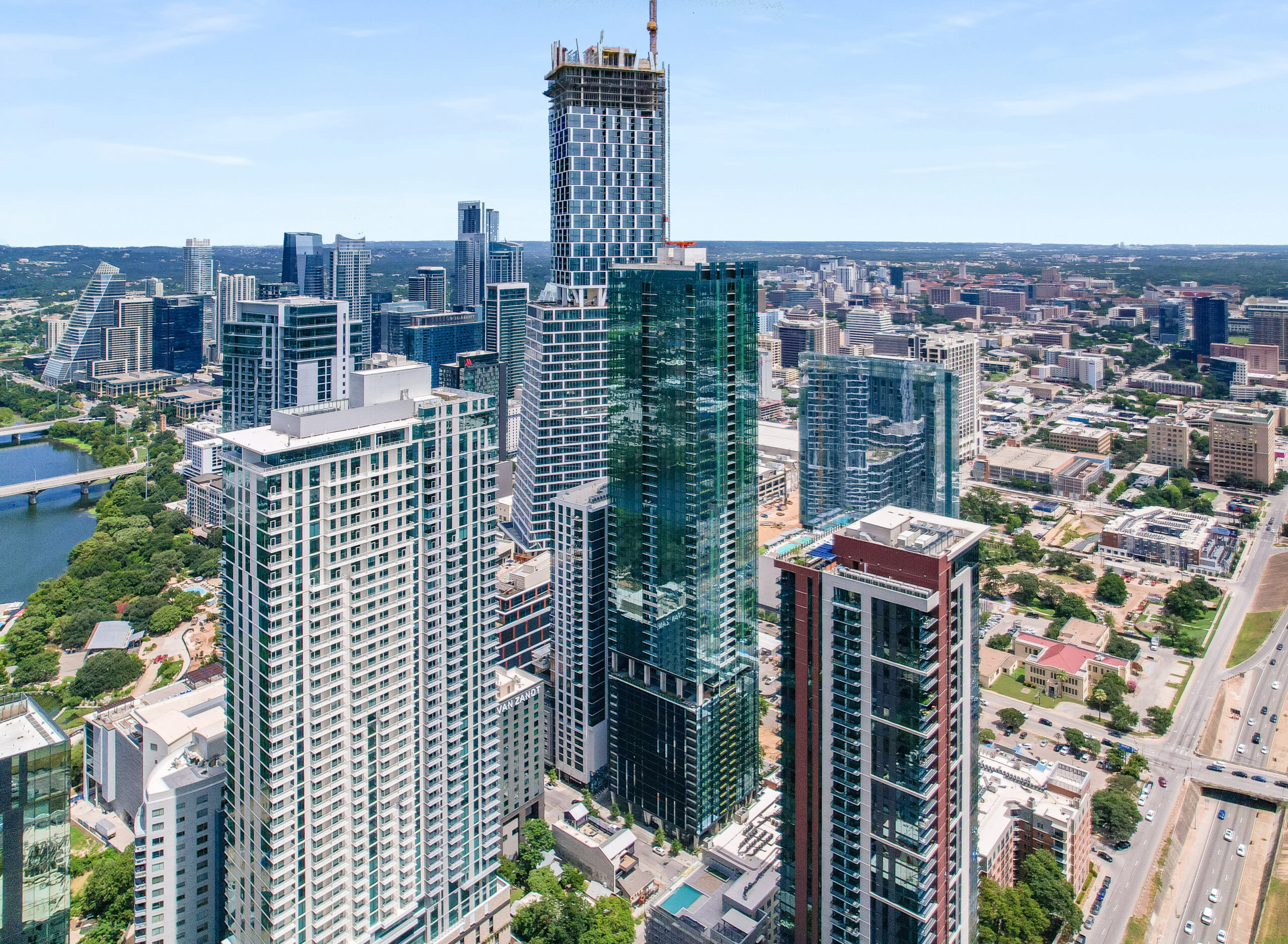
At first glance, Rainey today can feel like a departure from its roots, with high-rises and more polished concepts reshaping the skyline. But that shift hasn’t erased what made the street special — it builds on it.
Developments like Paseo and The Modern reflect a version of Rainey that now stretches beyond late-night crowds, with cafés, restaurants and bars designed to carry the energy from morning through evening.
“Austin hasn’t always had this version of a downtown, where living, working and going out all intersect in one place,” says Matt Wolski, Director of Hospitality at LV Collective — the group behind Paseo — and a longtime Rainey operator. “You still have late-night energy, but now you also have families, dogs and people here throughout the day.”
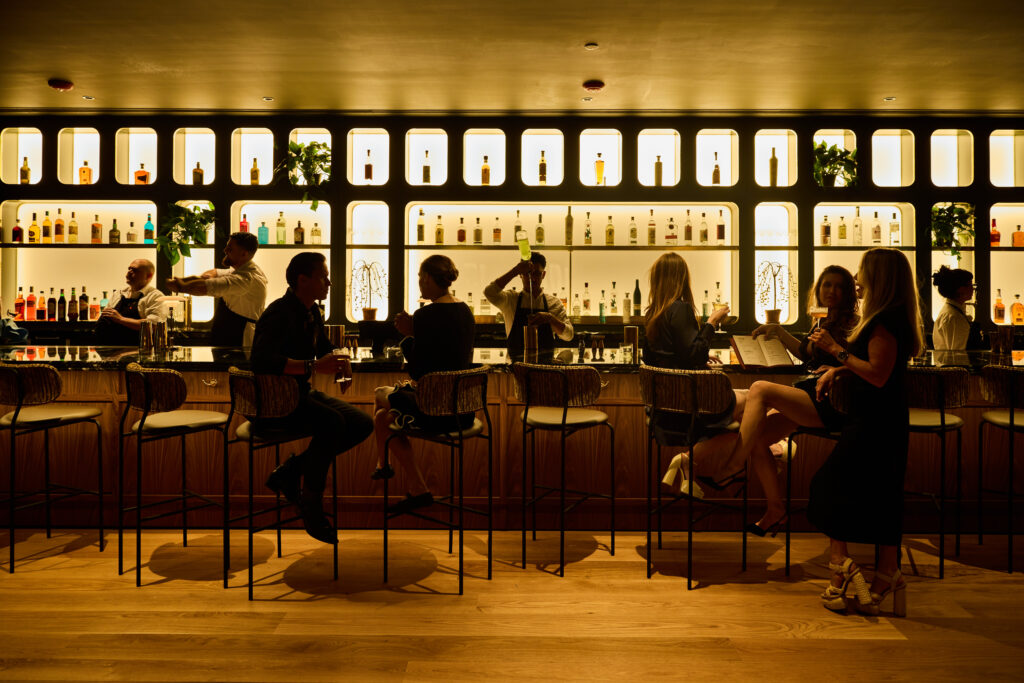
Recently opened Modern Bar carries that all-day rhythm, offering coffee, juices and light bites, but the focus is firmly on the cocktail program. Bar director Gabe Ford drew inspiration from cities like Mexico City and London, known for their more progressive cocktail scenes. The drinks are technical and visually striking — often finished with aromatic foams and thoughtful garnishes — yet the tone is intentionally unpretentious.
“We want to lead with being good people first and serving good drinks second,” says Ford. “Bars should still be fun.”
It’s that mix of ambitious cocktails and authentic hospitality that makes the bar feel unmistakably Rainey.

How to experience Rainey right now
“The best way to understand Rainey is to start at one end and move through it,” says Dunlap.
At Bar Fino, one of the most talked-about openings on the street, the atmosphere leans European, with a tight menu of cocktails, natural wines and small plates served on a patio tucked away from the crowds. It’s polished but relaxed, a balance that the Irish trio behind the project are known for, and one that fits naturally into the street’s makeup.
Kinsho adds another dimension to the district: Rainey’s first sushi restaurant. Offering an à la carte menu of sashimi, hand rolls, Japanese whiskey and more, its recent opening signals how far the street has expanded its culinary chops.
Just down the way, bungalow spots like Half Step, Stay Put and Lucille’s continue to draw a steady crowd, their backyard setups still echoing the street’s earlier days.
And nowhere is the street’s evolution more acutely experienced than The Rainey House. Owner Joe Regalado first moved to Rainey Street as a child in the late 1960s, long before it became a nightlife destination. Today, he and his sons run the bar inside the same home his family has lived in for decades.
While many still hold onto memories of what Rainey once was, the Regalados chose to evolve with the district rather than step away from it. It’s that mindset, echoed across the street, that continues to define Rainey’s next chapter.
RELATED: Austin’s Most Anticipated Restaurant and Bar Openings