
Austin’s New Titanic Exhibit Reveals the Real People Behind the Tragedy
“Titanic. The Human Story” makes its U.S. debut in North Austin with hundreds of artifacts, life-size recreations and stories from the passengers and crew
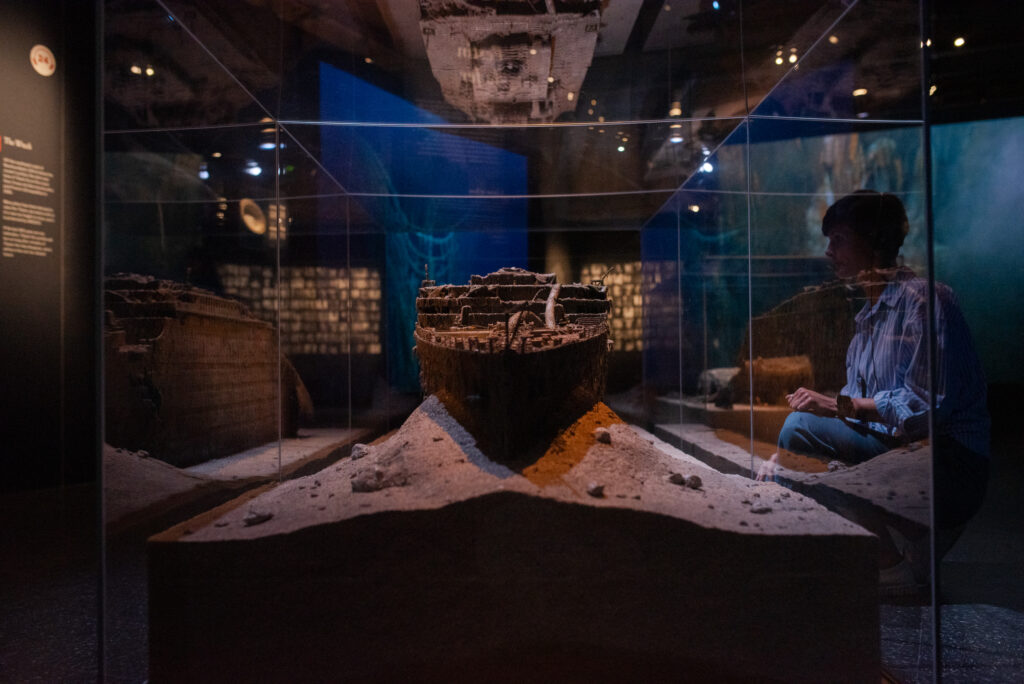
It’s rare to come across someone who hasn’t seen James Cameron’s 1997 blockbuster film “Titanic.” But far fewer people know the real stories behind the ship’s sinking — or even the real people who inspired the romance between the fictional Jack and Rose. The internationally touring exhibit “Titanic. The Human Story” aims to rectify that gap in popular culture’s collective memory, breathing new life into the highly mythologized historical event.
“The Titanic story speaks to every human being,” said curator Claes-Göran Wetterholm. “It is our ability to identify with the people on board that makes it so powerful.”
Opened in April, the exhibit guides visitors through the story of the Titanic through hundreds of authentic artifacts, life-size recreations and firsthand accounts of passengers and crew members. Located in North Austin at 11000 Middle Fiskville Road, it will be available through Nov. 13. Austin marks both the exhibit’s U.S. debut and the unveiling of a redesign that includes the wider ideas and movements that shaped the era that produced the Titanic.
SHOP


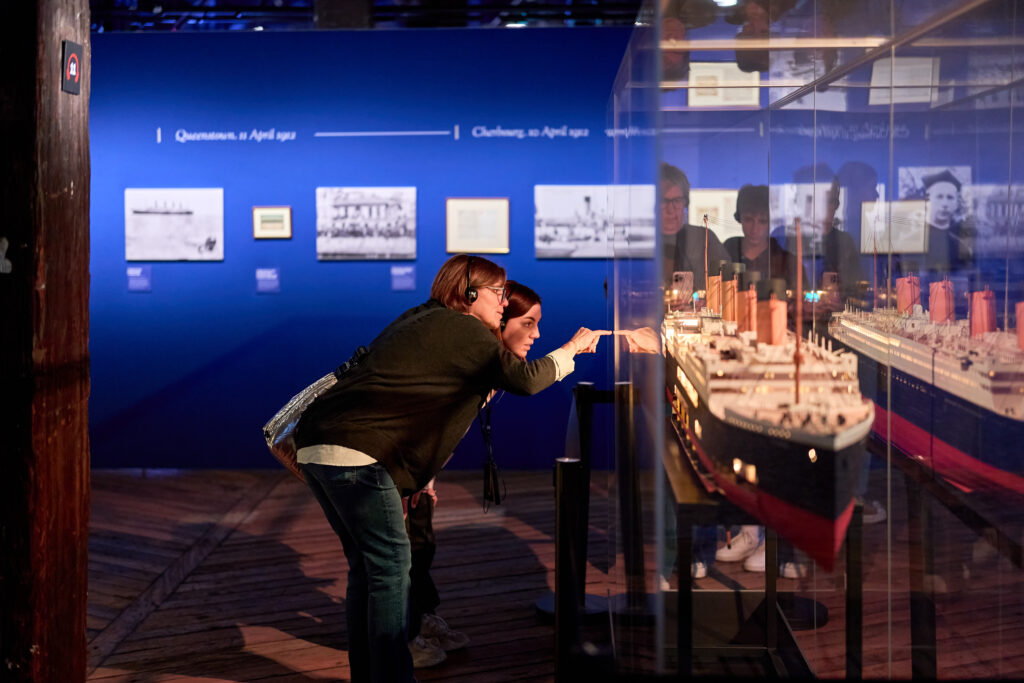
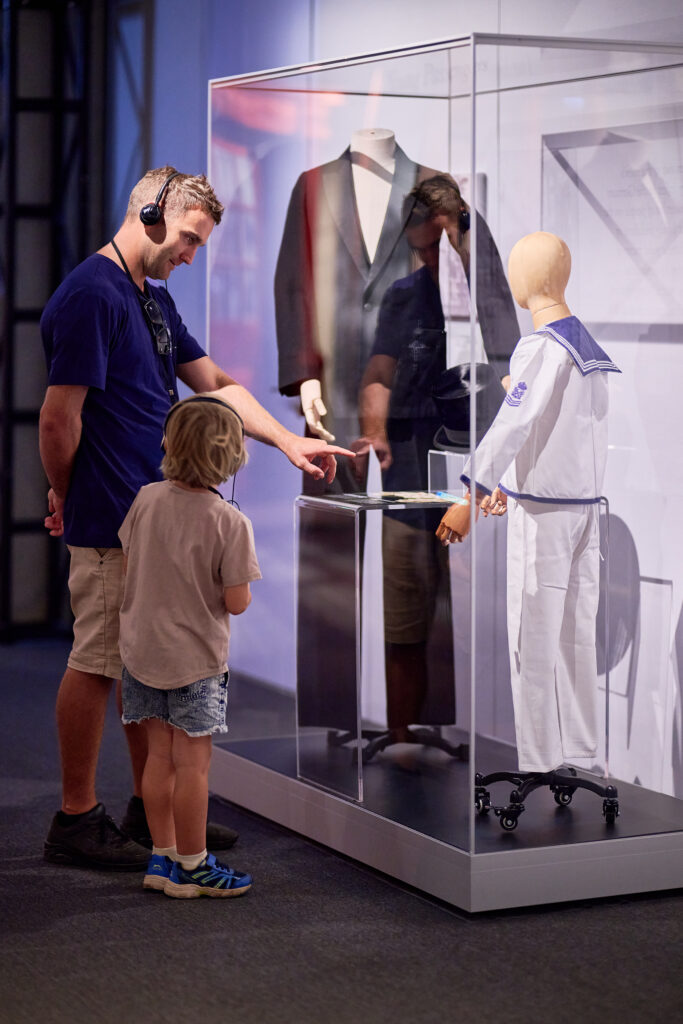
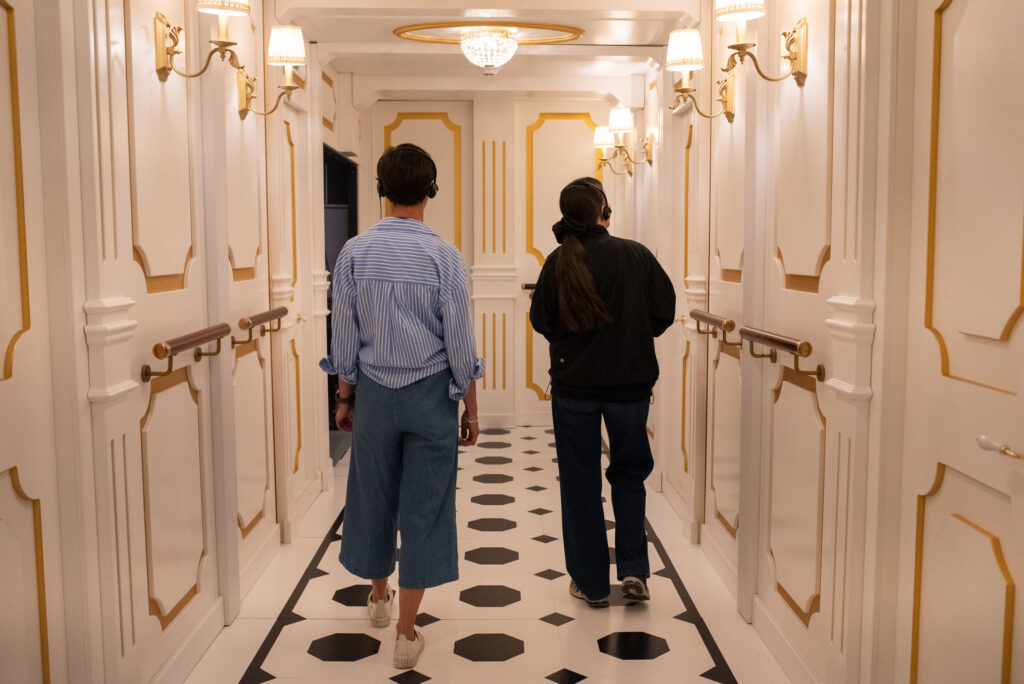
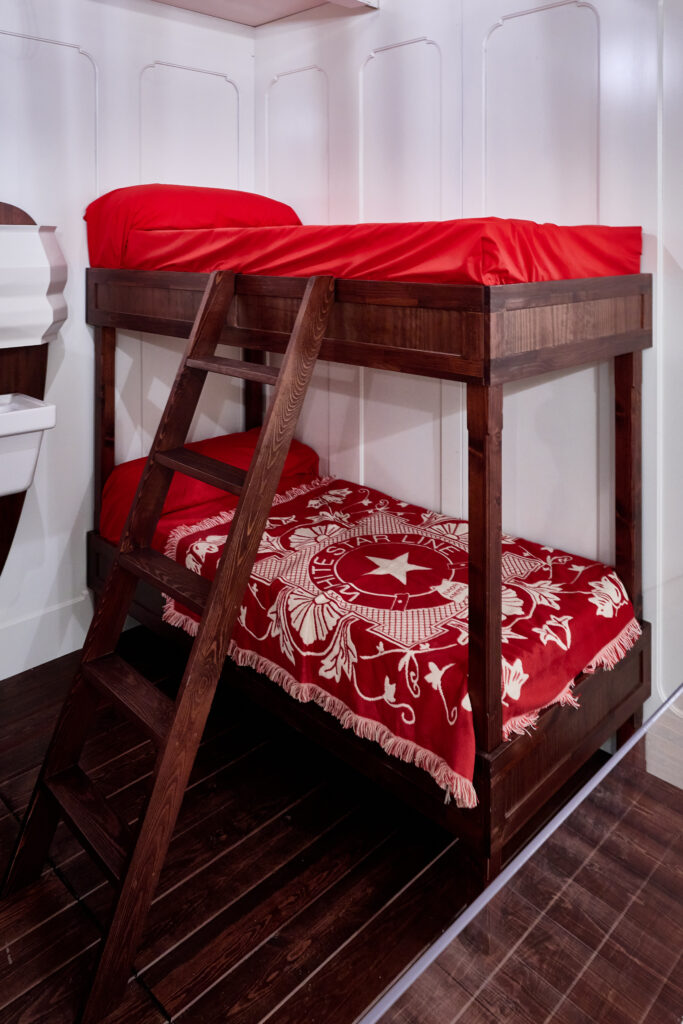
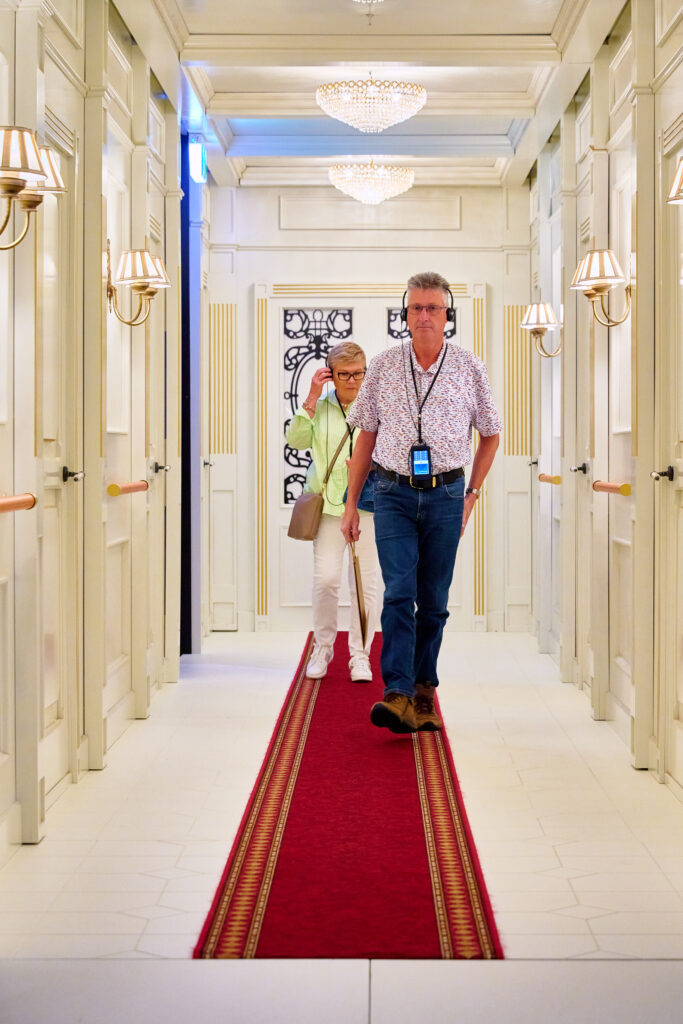
Titanic artifacts and full-scale recreations
“Understanding these forces helps us understand why the Titanic was built, why she captured the world’s imagination and why her loss had such a profound impact,” Wetterholm said. “It is, in many ways, an entirely new exhibition.”
Wetterholm, a Swedish maritime historian, author and leading Titanic expert, became captivated by the 1912 event when he was only 8 years old. Even today, nearly 70 years later, that passion hasn’t waned.
“What continues to fascinate me most is meeting people, talking to relatives of those who were on board, and learning their family stories,” he said.
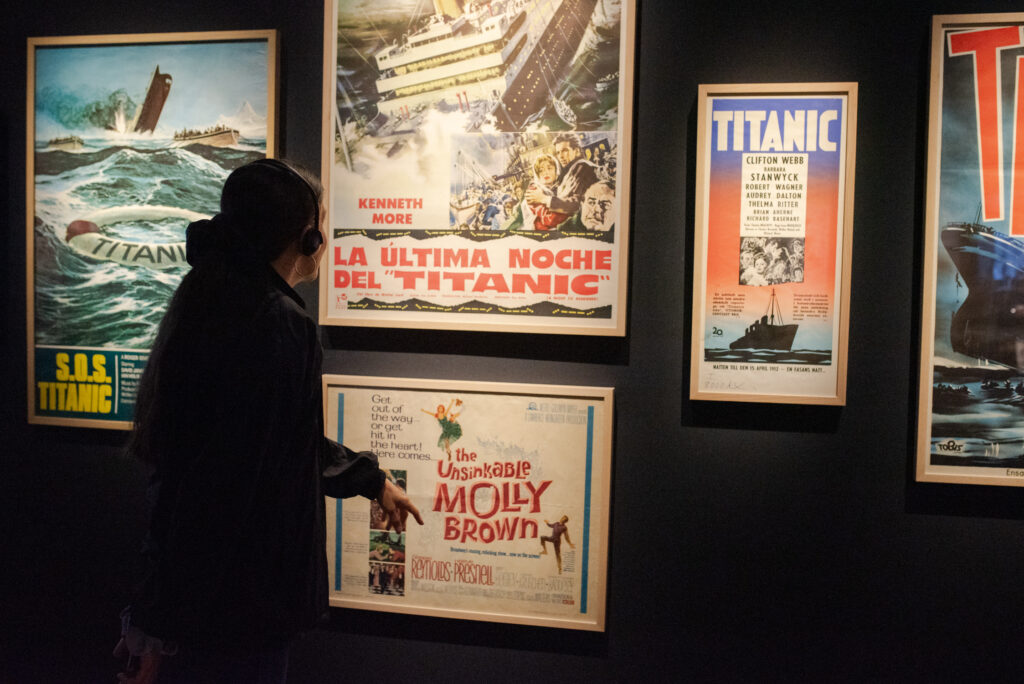
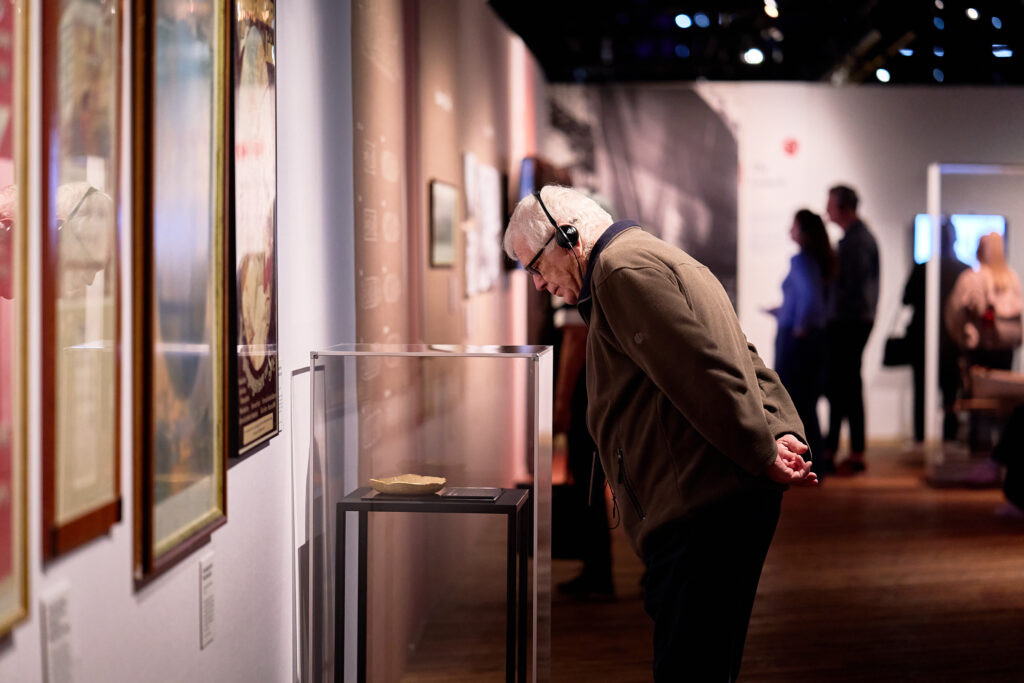
Accompanied by a guided audio tour, the exhibit opens with a replica of a Titanic life vest and a promise to tell the human side of the tragedy. Visitors then move through the history of the era and origins of the Titanic before stepping through a replica of one of the ship’s hallways, creating the feeling of boarding the ship as a passenger. Artifacts such as a piece of the ship’s original grand staircase and a first-class lounge chair reveal the class stratification that defined experiences aboard the ship. Full-scale recreations of different cabins also offer a rare view into life aboard the ship.
RELATED: See “Singin’ in the Rain” for Free at Zilker Hillside Theater This Summer
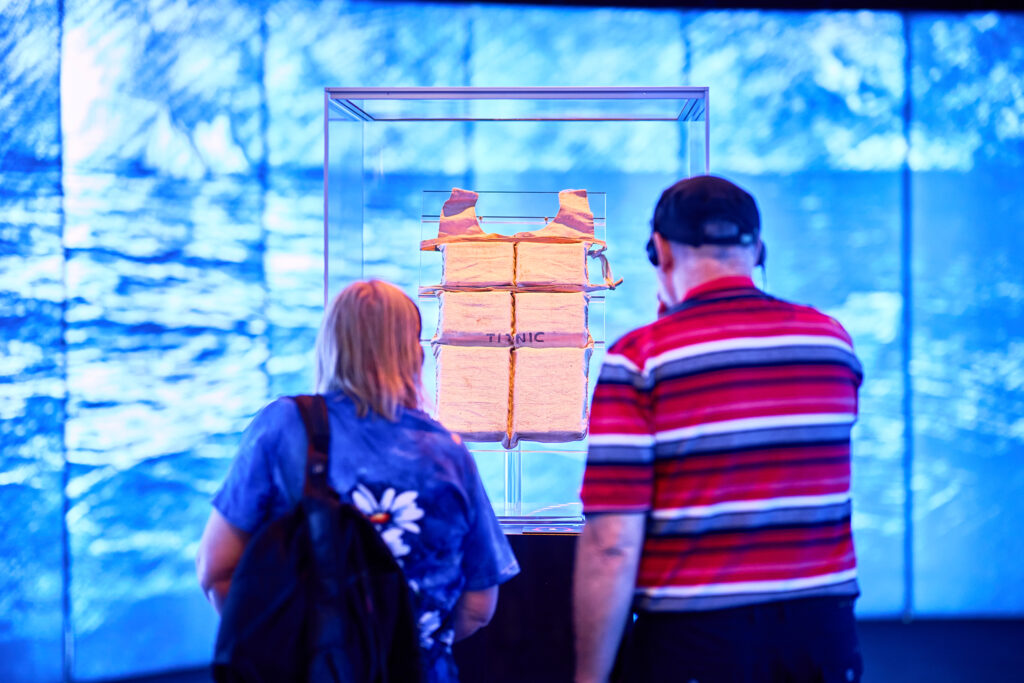
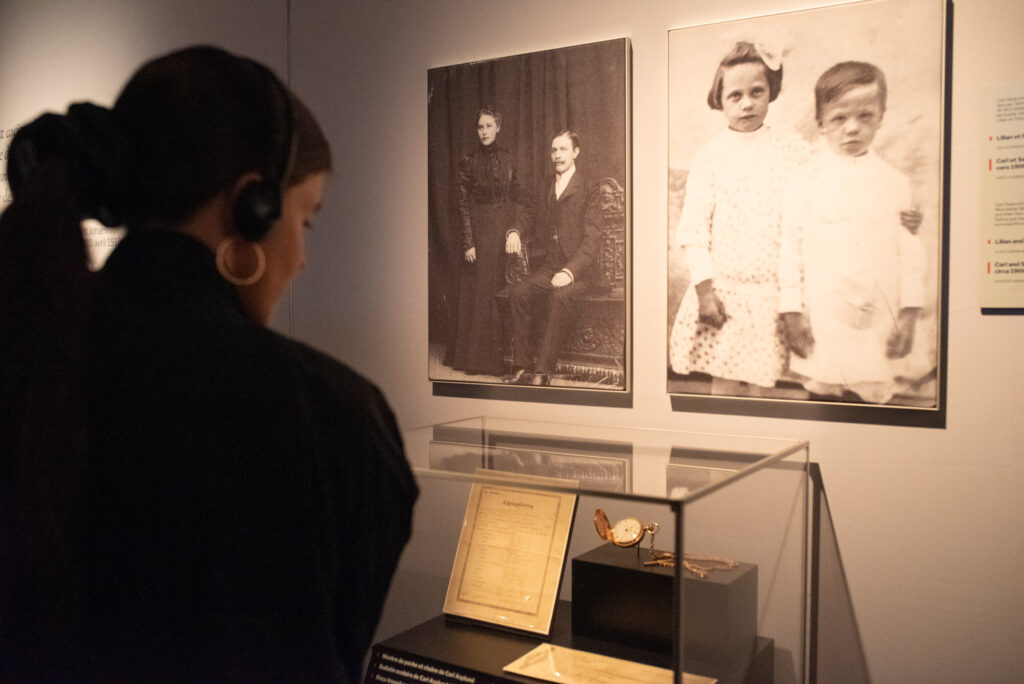
Beyond the shipwreck
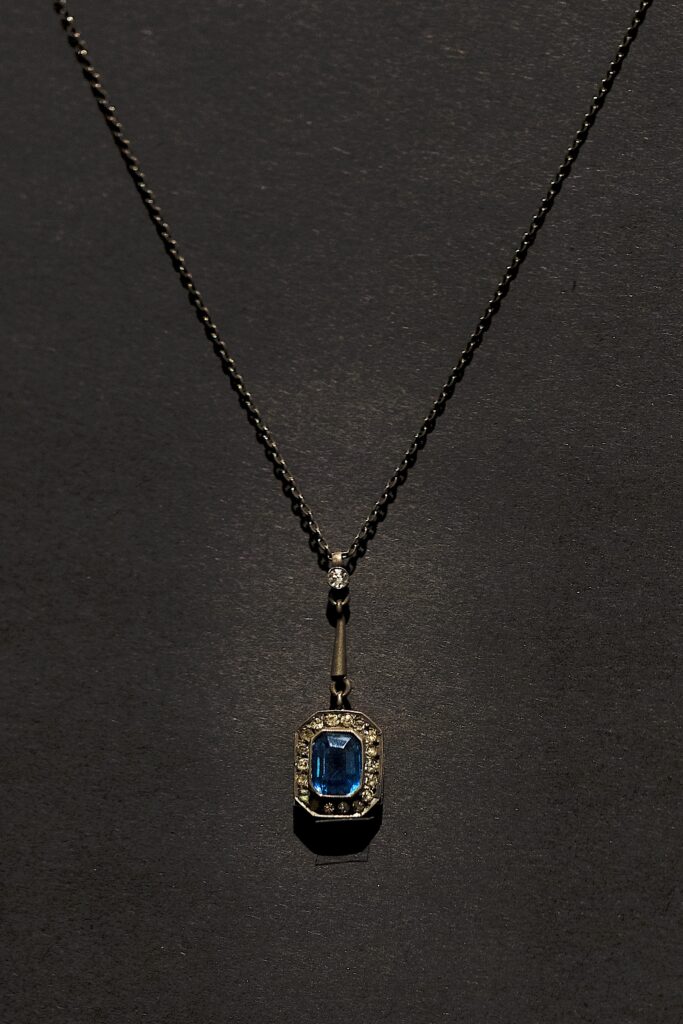
From original immigration documents to personal possessions of passengers, many items give an intimate glimpse of the people who happened to find themselves traveling across the Atlantic that fateful spring. Visitors can even see and read about the original jeweled necklace that inspired one of the most iconic pieces of jewelry in the film: Rose’s fictional “Heart of the Ocean.”
“There are so many parts of the exhibition that fascinate me — not only the original letters written by people such as First Officer Murdoch, but also deeply personal objects, like the little shoes worn by 4-year-old Louise Kink when she boarded the Titanic, and the blanket that was wrapped around her in the lifeboat,” Wetterholm said. “Another remarkable object is the diary found on the body of a Finnish passenger. He kept writing in it throughout the voyage, right up until April 14 — the day the Titanic struck the iceberg.”
More than a century later, Wetterholm said he believes the Titanic endures because its lessons remain timeless. Beyond the spectacle of the disaster, Wetterholm hopes visitors leave with a deeper understanding of the people behind the story and the poignant messages it communicates about the irreversibility of fate and the danger of human hubris — “the belief that we can dominate nature, when nature always reminds us that we cannot.”