
Austin’s Historic Driskill-Scarbrough Carriage House Gets a Modern Makeover at the Wildflower Center
An open-air redesign, colorful pollinator mural, and salvaged-wood furnishings breathe new life into a 141-year-old landmark
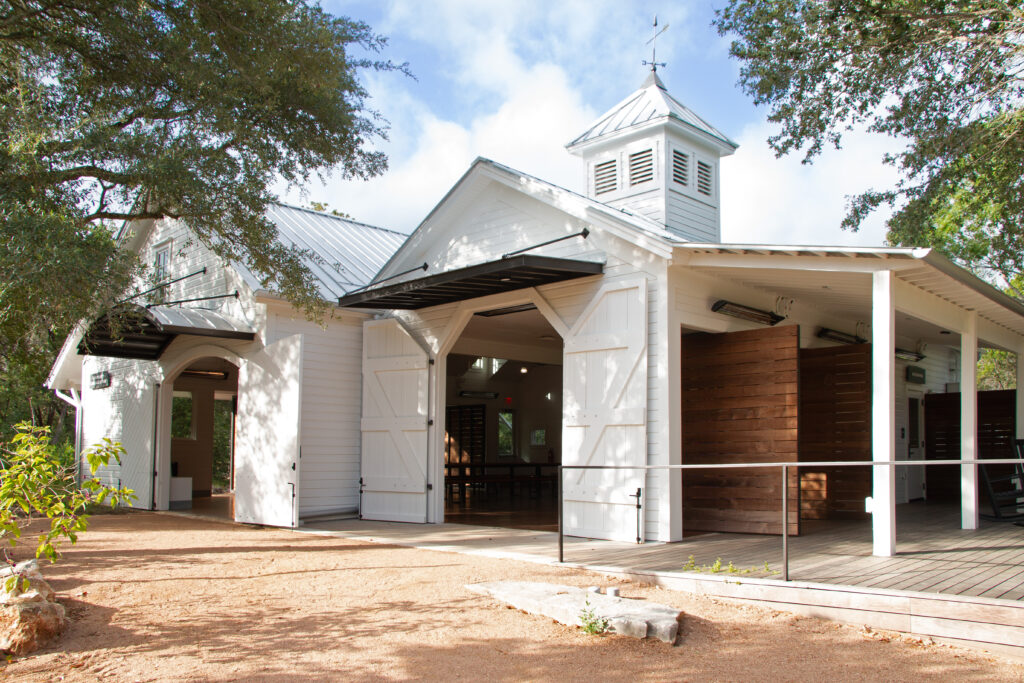
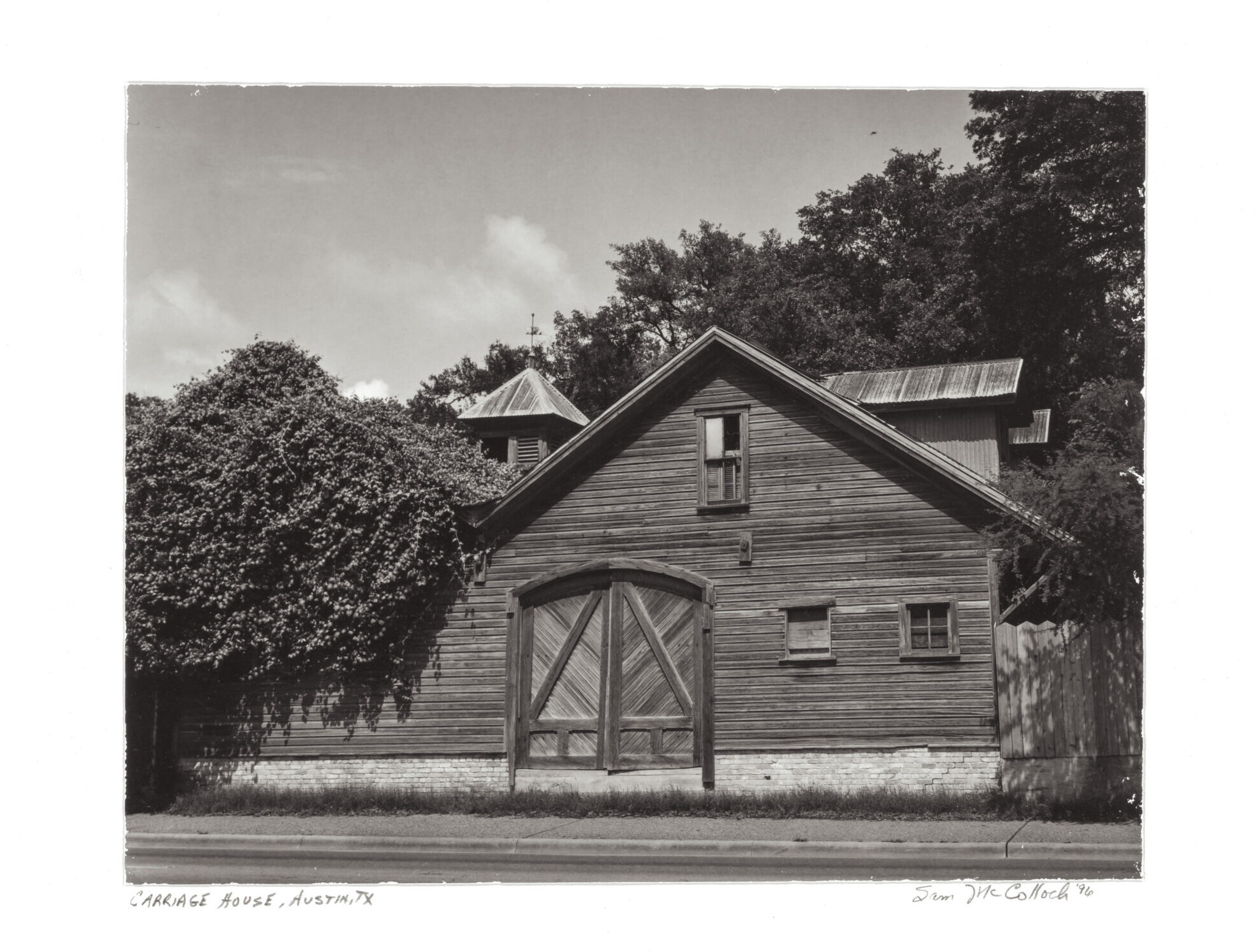
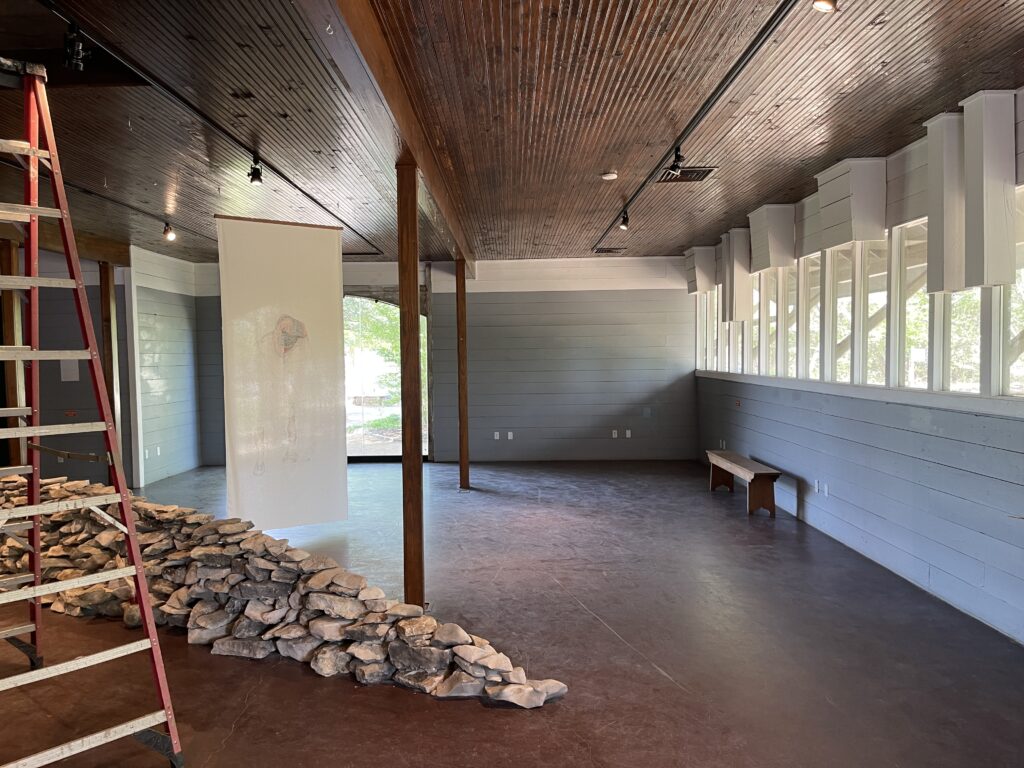
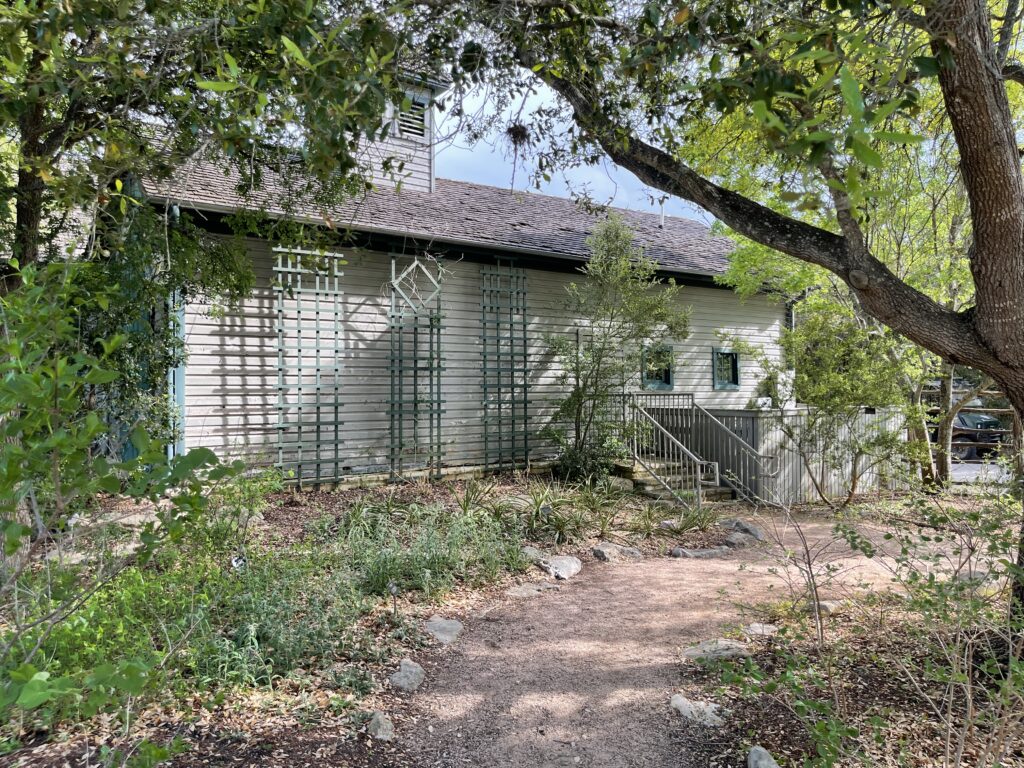
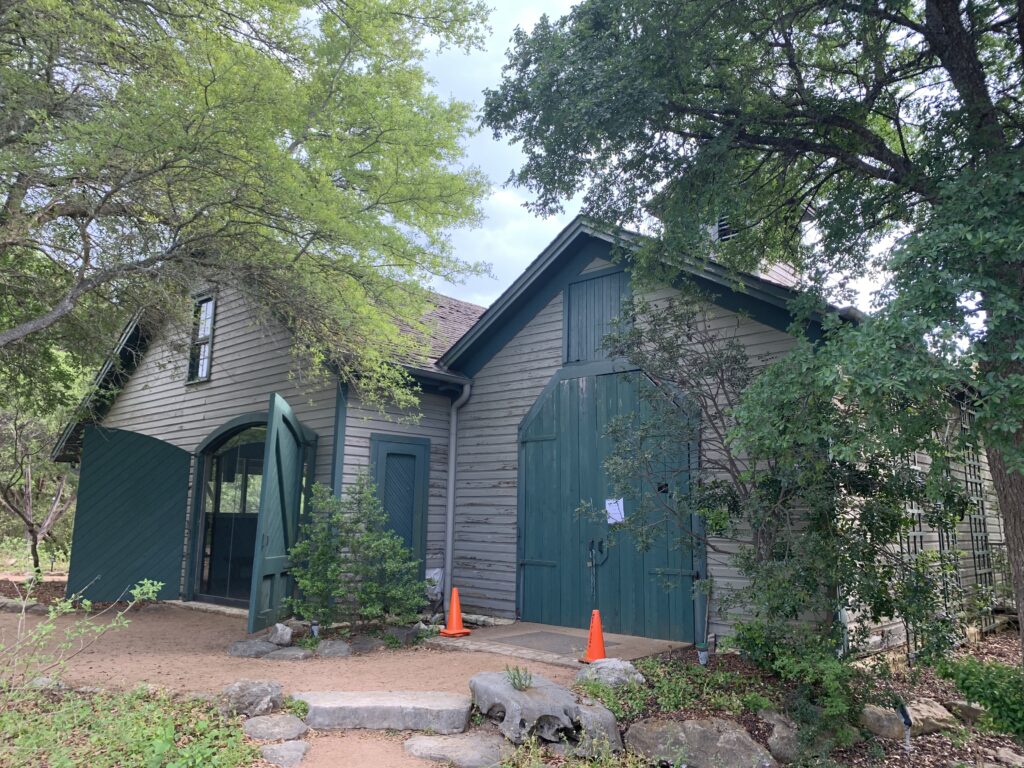
For over 140 years, the Driskill-Scarbrough Carriage House has been witness to Austin’s evolution—while undergoing quite a few changes of its own. Built in 1885 for cattle baron Jesse Lincoln Driskill, the structure has housed everything from horses and carriages to a fleet of Model T Fords making deliveries for Scarbrough’s Department Store. It even outlived the neighboring Driskill mansion, which was destroyed by fire in 1998. Three years later, it headed south to the Lady Bird Johnson Wildflower Center, starting a new job as a classroom and exhibition space.
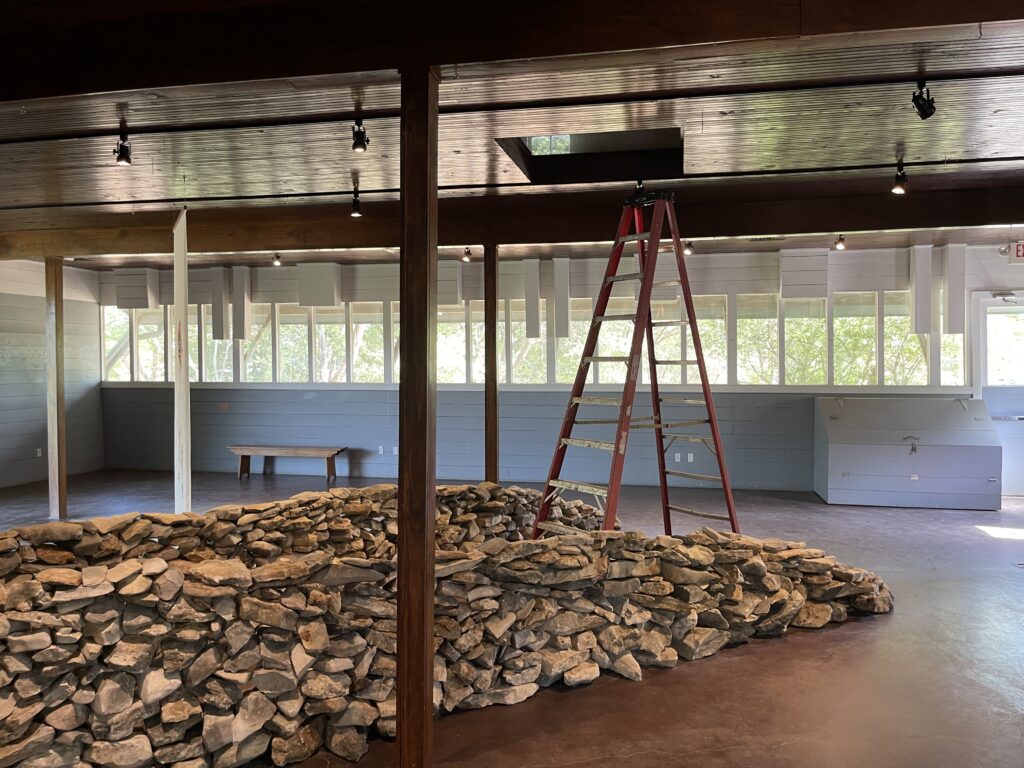
But after two decades at the Wildflower Center, the carriage house was nearly ready for retirement. Termite damage and aging glass doors had taken their toll, leaving its longtime employer with no choice but to close up shop. As it turns out, the building was merely taking a sabbatical.
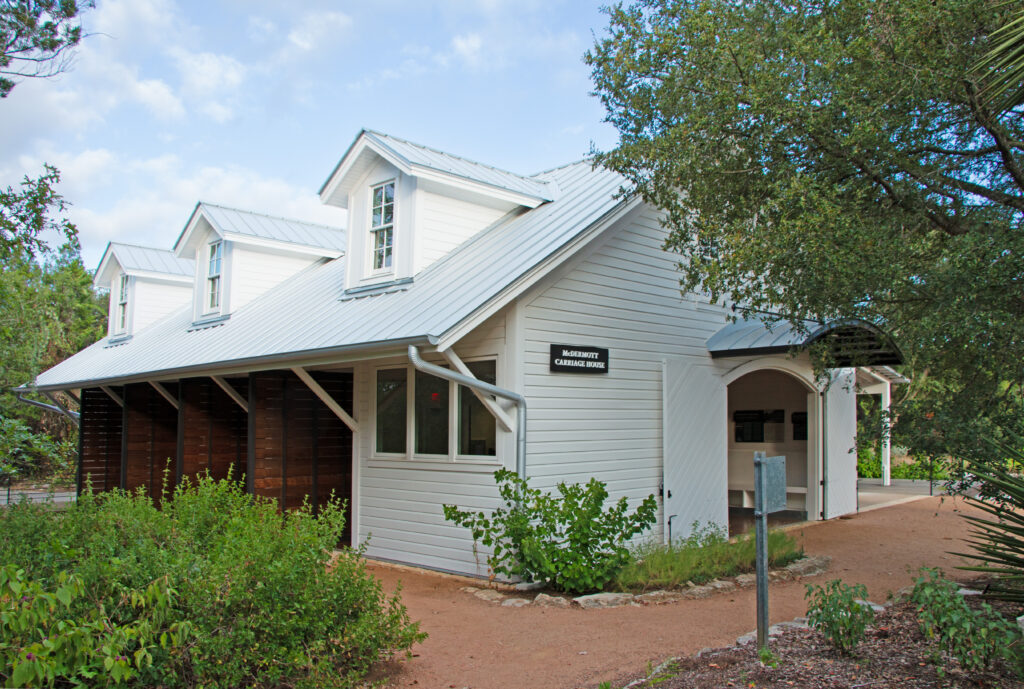
Determined to preserve the historic structure, the Wildflower Center partnered with Austin-based preservation architecture firm Architexas to reimagine its future once again. As the gardens expanded, the carriage house went from a secluded spot at the back to a much more central location, with pathways and visitors coming from multiple directions.
SHOP


Reimagining the interior
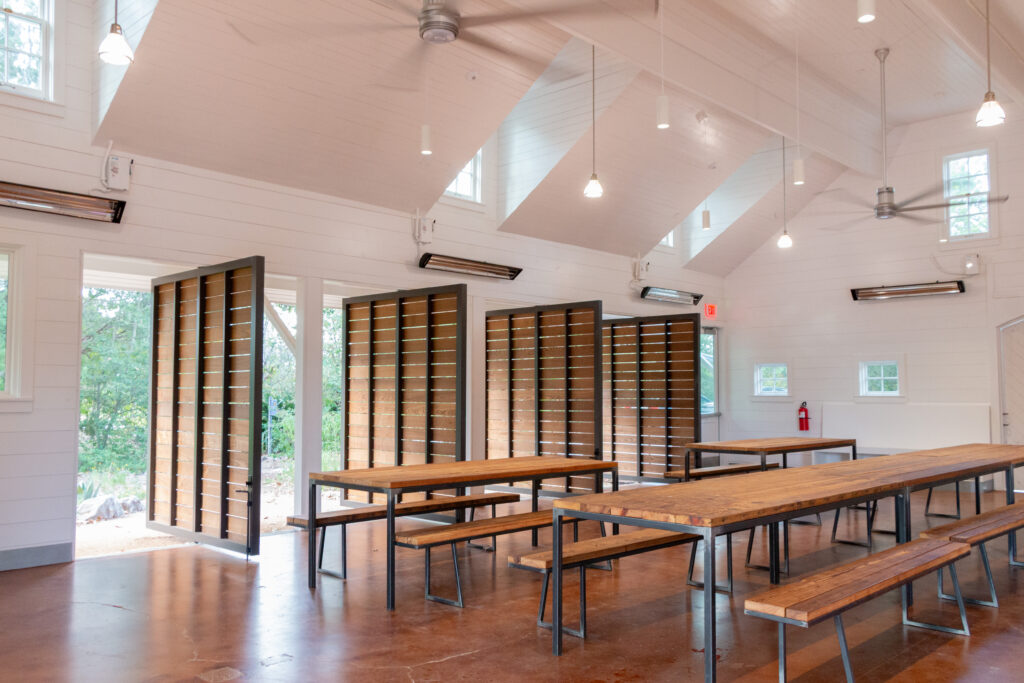
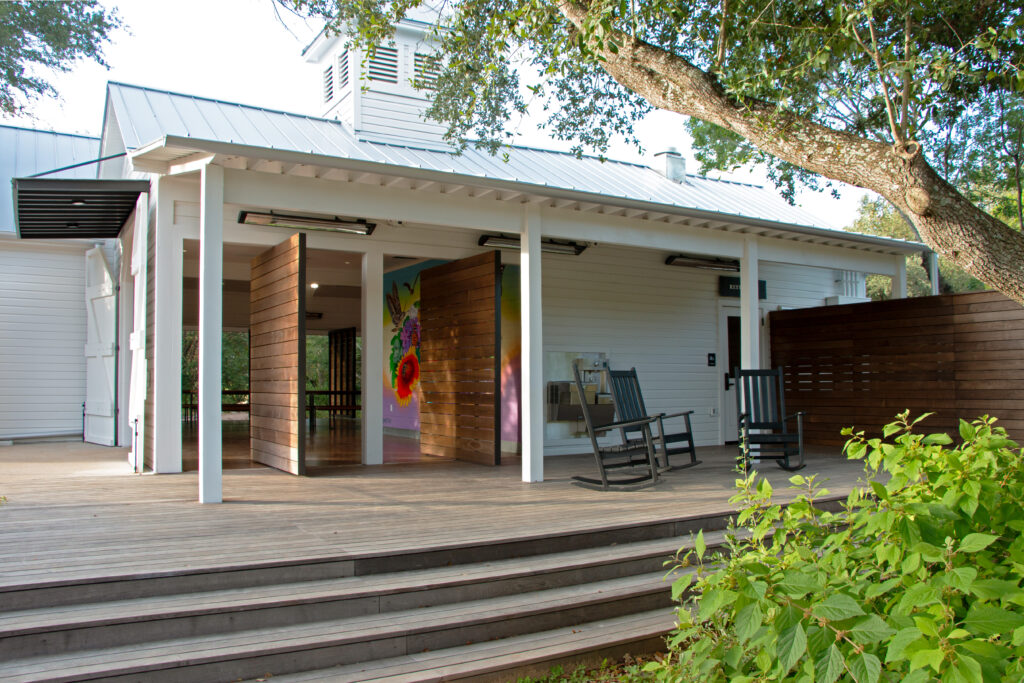
The restoration opened up the carriage house in more ways than one. The team removed the attic floor to expose the roofline, creating a soaring, two-story-height interior with an “almost country church feeling,” according to Executive Director Lee Clippard. “I walked in for the first time after the demolition and it just took my breath away,” he recalled. “I was like, ah, yes, this was the right decision. This is huge.”
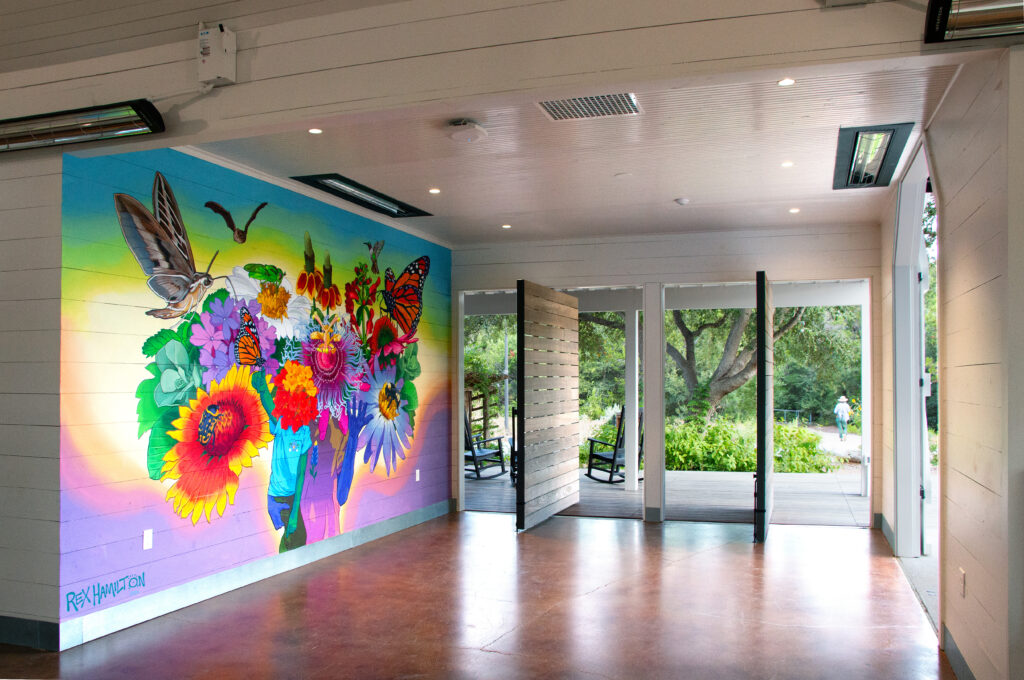
Perhaps more surprising was the decision to remove the main space’s air-conditioning system. “Even though it gets warm, people really want to be outside, and pulling them into an interior space is a challenge,” Clippard explained. Large pivoting doors now encourage natural ventilation, returning the carriage house to its open-air character. The approach has already passed a distinctly Texan test: On a 103-degree summer day, Clippard found the space totally comfortable.
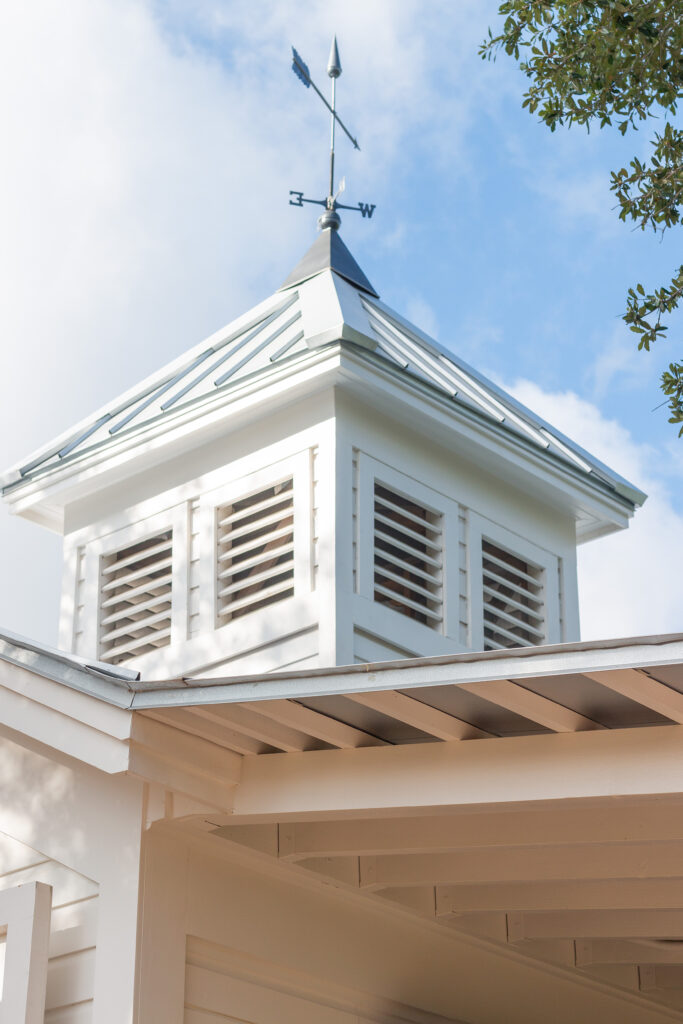
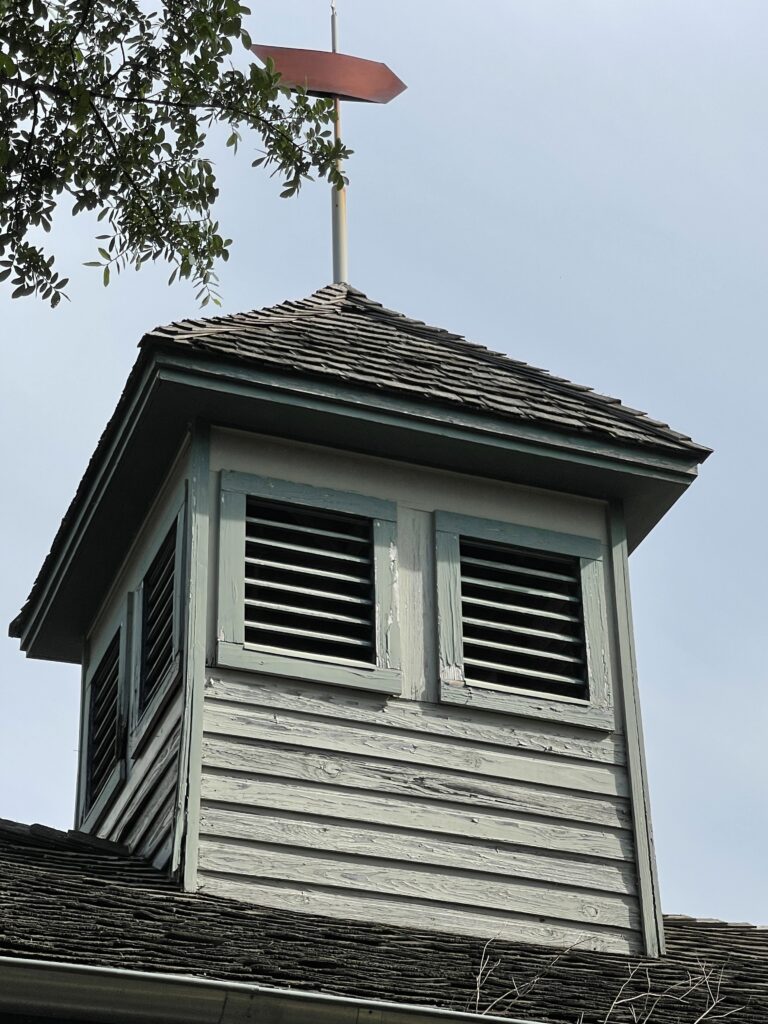
Not every aspect of the restoration called for reinvention. The carriage house retains its historic barn doors and interior wood siding, along with a cupola topped by a functioning weathervane. Inside, local furniture maker Brent Clifton, owner of Clifton Craftwork and Design, built custom tables from wood salvaged during the renovation.
Art inspired by the grounds
A decidedly modern addition comes courtesy of Austin artist Rex Hamilton, whose mural brings moths, butterflies, bumblebees, and native plants to one of the carriage house’s walls. Clippard had long admired Hamilton’s work along I-35 during his commute before inviting him to contribute to the project. “We painted everything white, and I thought it would be so lovely if we put a super colorful mural there,” he recalled. The artwork also offers a preview of the redesigned pollinator garden planned for the surrounding grounds.
Designed by landscape architecture firm Studio Outside, the garden will feature winding pathways inspired by the unfurling spiral of a fern and the coiled proboscis of a butterfly, along with colorful plantings and water features. “It will have a very modern feel, which is different for the Wildflower Center,” Clippard said of the design, which also incorporates steel and limestone.
Honored with the 2026 Preservation Austin award for rehabilitation and sustainability in September, the newly restored carriage house will be rededicated on October 22. “It’s not only about preserving this little piece of Austin history, but also showing how we can move that history forward and become more modern,” said Clippard.
RELATED: A Look Inside Publicist Caroline Pinkston’s Colorful Rosedale Home Renovation