
What to Know About Ostillo, Austin’s New Contemporary Art Foundation
The nonprofit opens in the Rosewood neighborhood with a 14-artist exhibition, a public library and plans for an outdoor amphitheater
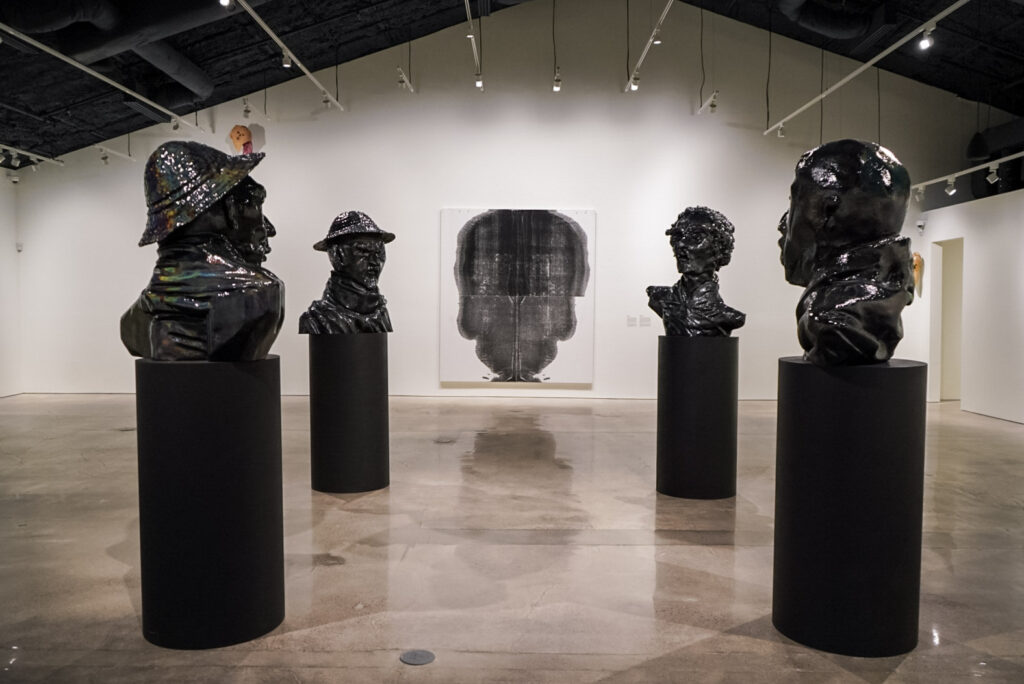
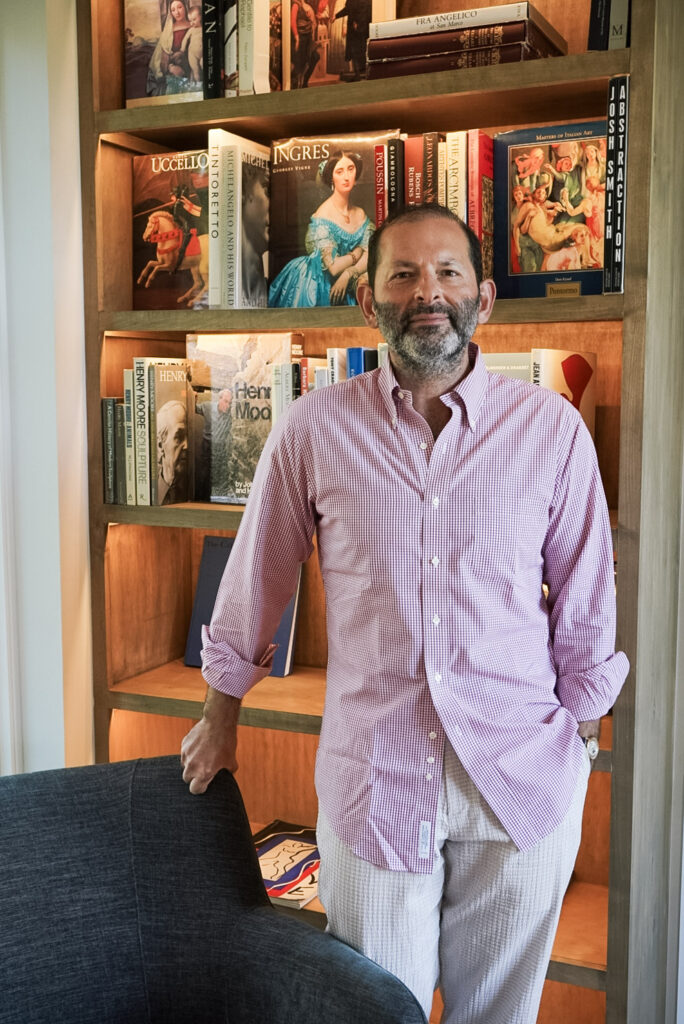
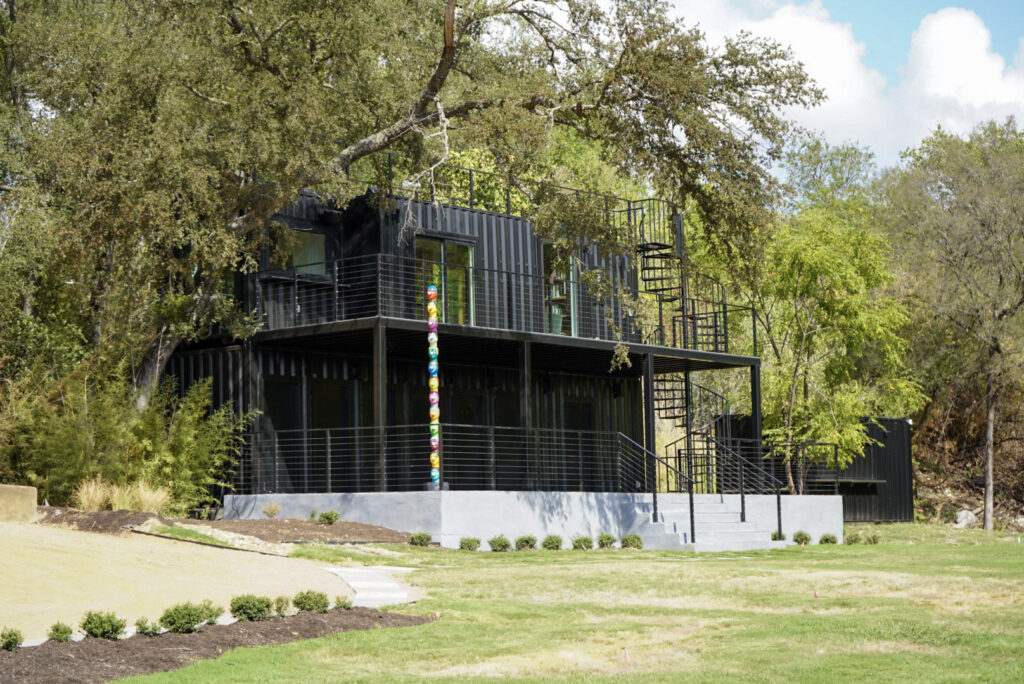
A new collector-led art foundation is bringing work by internationally recognized artists to Austin. Ostillo opens to the public Saturday, Sept. 19, in East Austin’s Rosewood neighborhood. Founded by Austin developer and art collector René Campos, the nonprofit encompasses an exhibition space, public art library and landscaped grounds at 2600 Rosewood Ave.
Campos developed the foundation with art adviser Sacha Zerbib, Ostillo’s founding director and chief curator. Since 2017, they have built a collection of approximately 90 works spanning painting, sculpture, installation, photography and moving images.
“We developed this ambitious and thought-provoking collection with the intention of sharing it with the public,” Zerbib said. “At a time when many are seeking connection and inspiration, our goal is to create a welcoming space with a program that addresses pressing social issues through artistic expression and resonates with both local audiences and visitors from around the world.”
Ostillo’s free grand-opening celebration will take place from 6 to 9 p.m. Sept. 19.
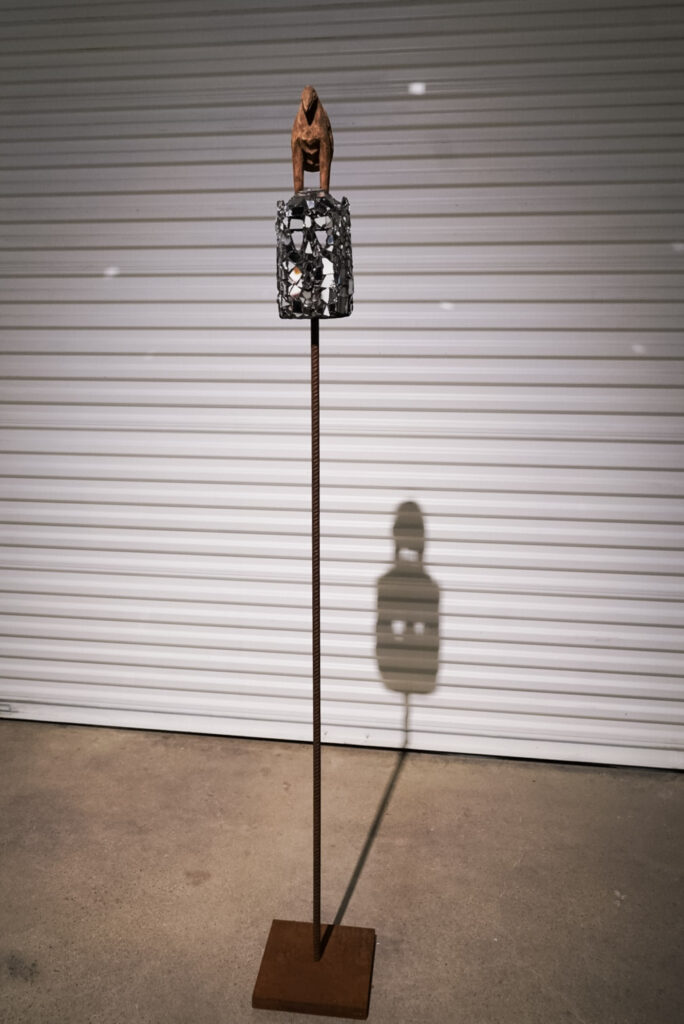
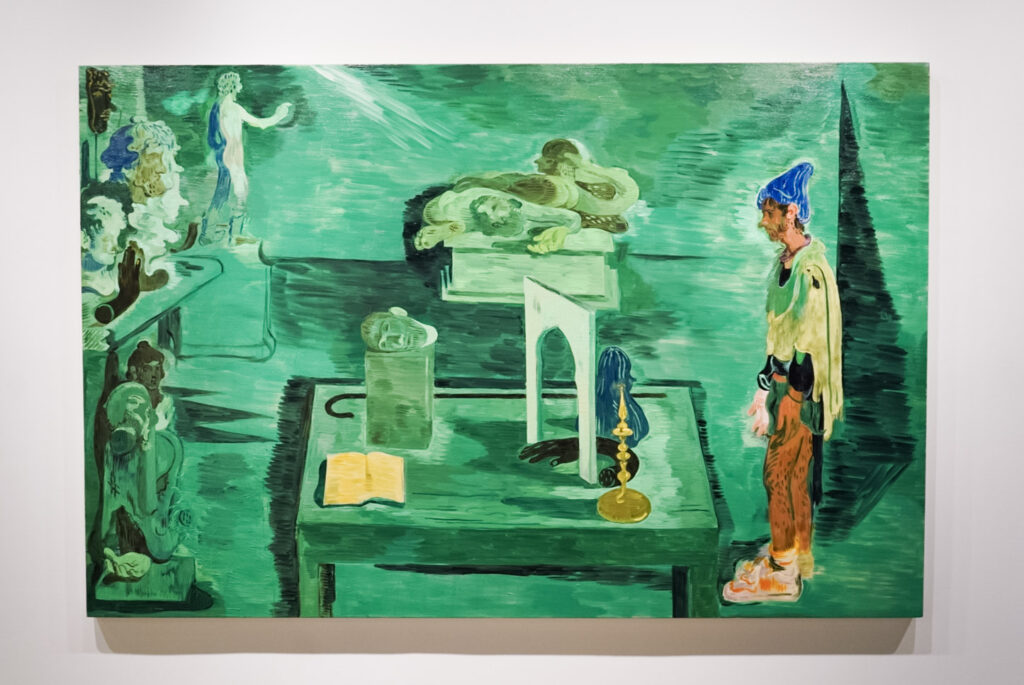
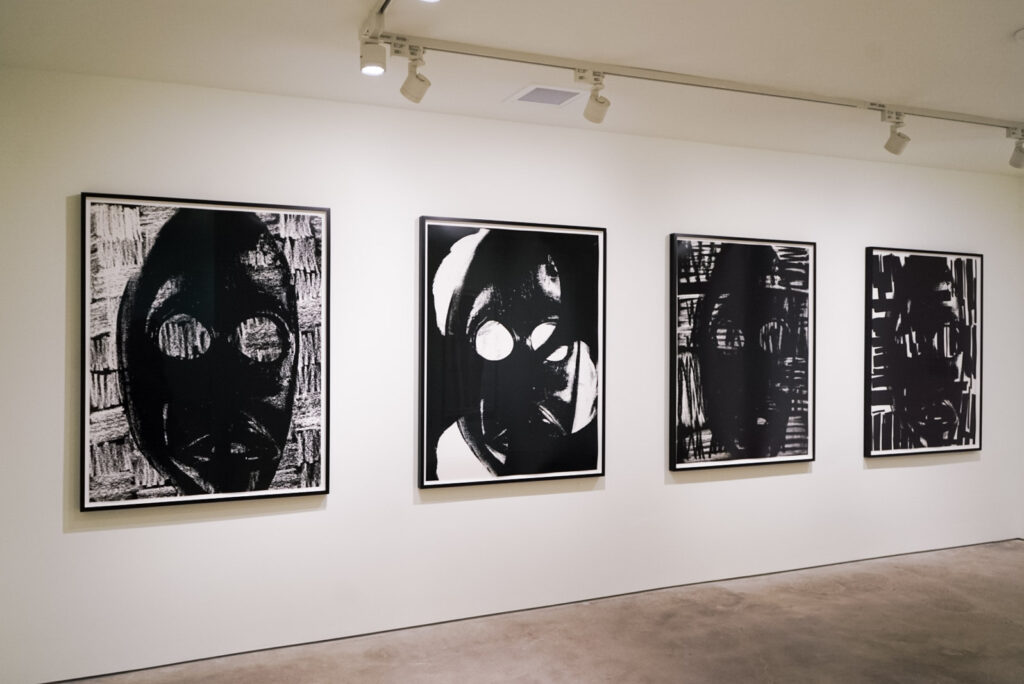
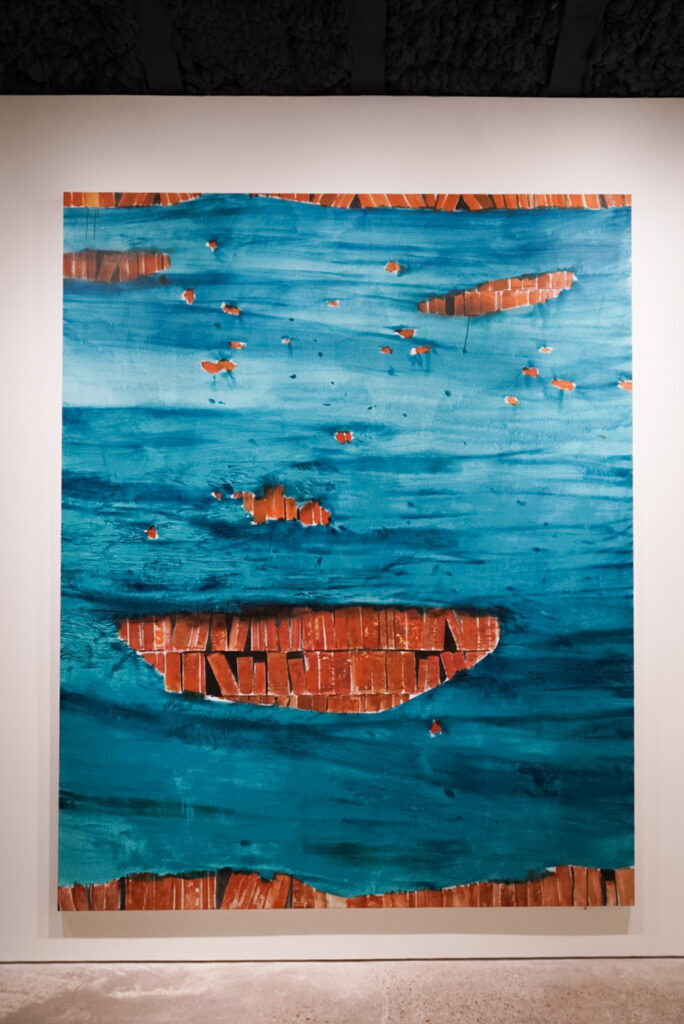
“Masquerade” explores identity, performance and disguise
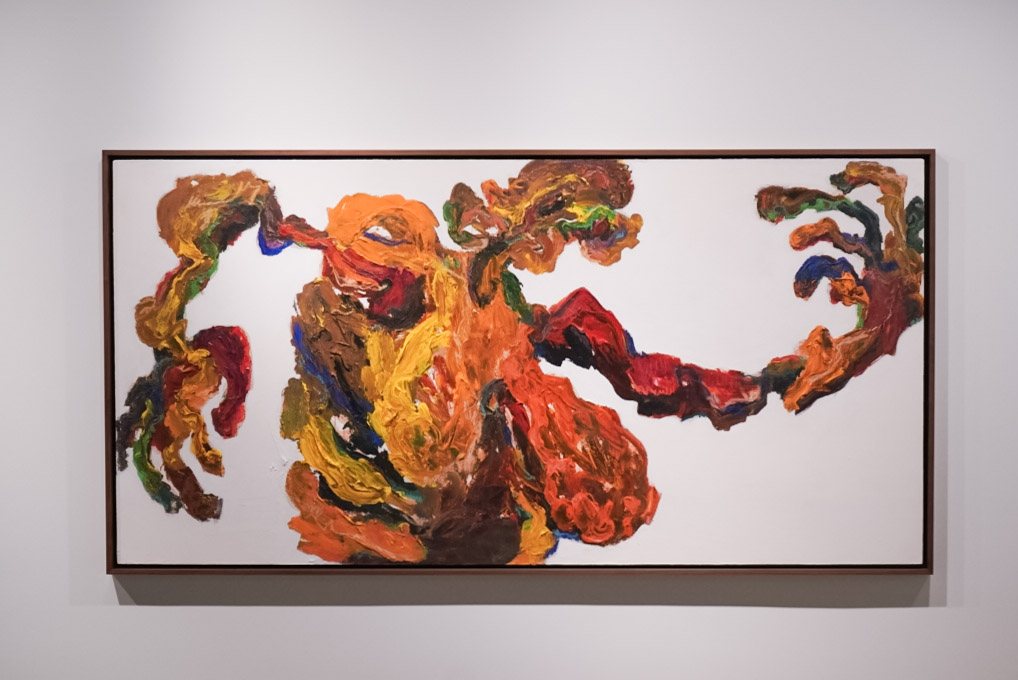
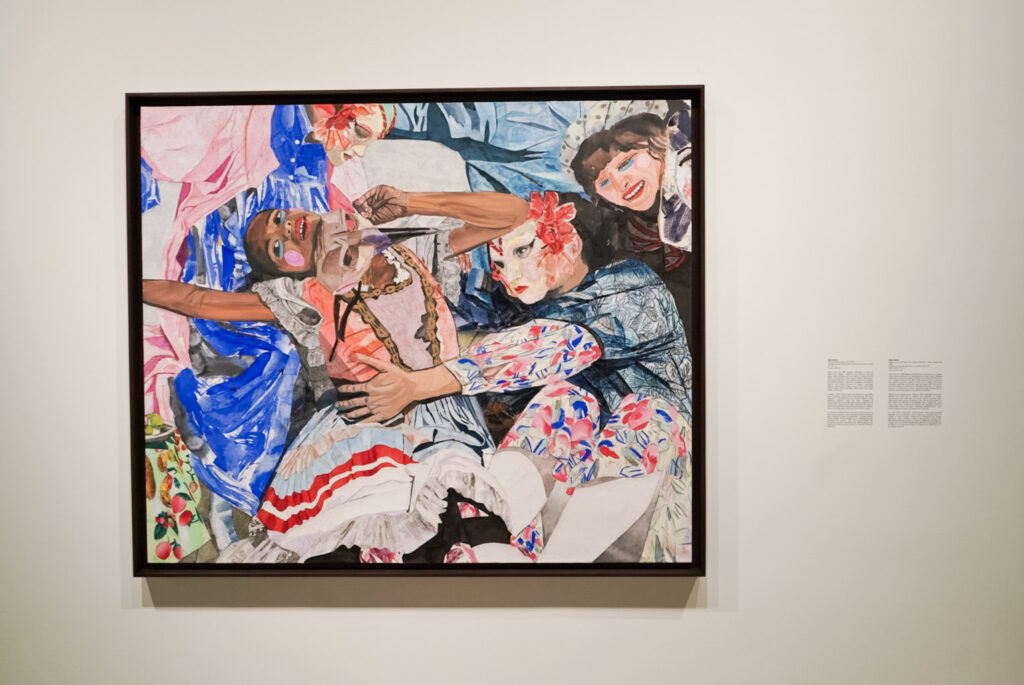
Ostillo’s inaugural exhibition, “Masquerade,” brings together paintings, sculptures, photographs and assemblages by 14 artists. Curated by Zerbib, the exhibition examines how masks and acts of disguise can conceal identity while also revealing deeper truths.
Featured artists include Kader Attia, María Berrío, Marlene Dumas, Evan Holloway, Sanya Kantarovsky, Glenn Ligon, Paulo Nazareth, Damián Ortega, Adam Pendleton, Mohammed Sami, Thomas Schütte, Sylvia Snowden, Salman Toor and Christopher Wool.
The exhibition takes its title from Ligon’s “Masquerade,” a silkscreen incorporating language from James Baldwin’s 1953 essay “Stranger in the Village.” Positioned near the entrance, the work introduces the show’s central questions about identity, visibility and performance.
“The idea that disguise can sometimes reveal more than it conceals is central to the exhibition,” Zerbib said. “In Texas, with its layered histories and strong culture of performance, this idea takes on a particular force.”
Zerbib connected those ideas to histories of slavery, migration, racism, violence, freedom and reinvention, as well as Texas traditions rooted in performance, including rodeo, football, music, dress and cowboy mythology.
“I do not want the exhibition to tell visitors what conclusion they are supposed to reach,” Zerbib said. “I want them to look more closely, question what they are seeing and what they have been told. If they leave with sharper questions than when they arrived, the exhibition has done its job.”
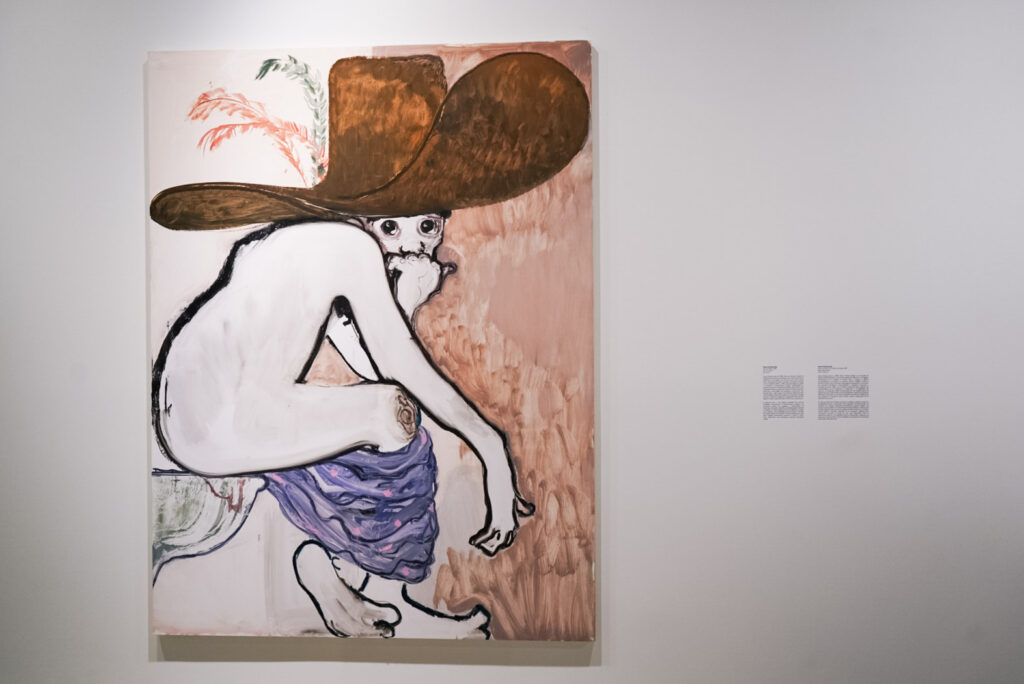
Among the exhibition’s highlights is a newly commissioned group of four sculptures from Schütte’s “Fratelli” series. Kantarovsky’s 2017 oil painting “Nervous Man,” which depicts a crouching figure wearing an oversized hat, has become an emblem of the foundation. Zerbib described the hat as conveying a distinctly Texan confidence that contrasts with the figure’s vulnerability.
“Masquerade” will remain on view through June 2027. Ostillo then plans to present two exhibitions each year, incorporating works from its collection alongside loans from other institutions and private collections.
Beyond the exhibition space
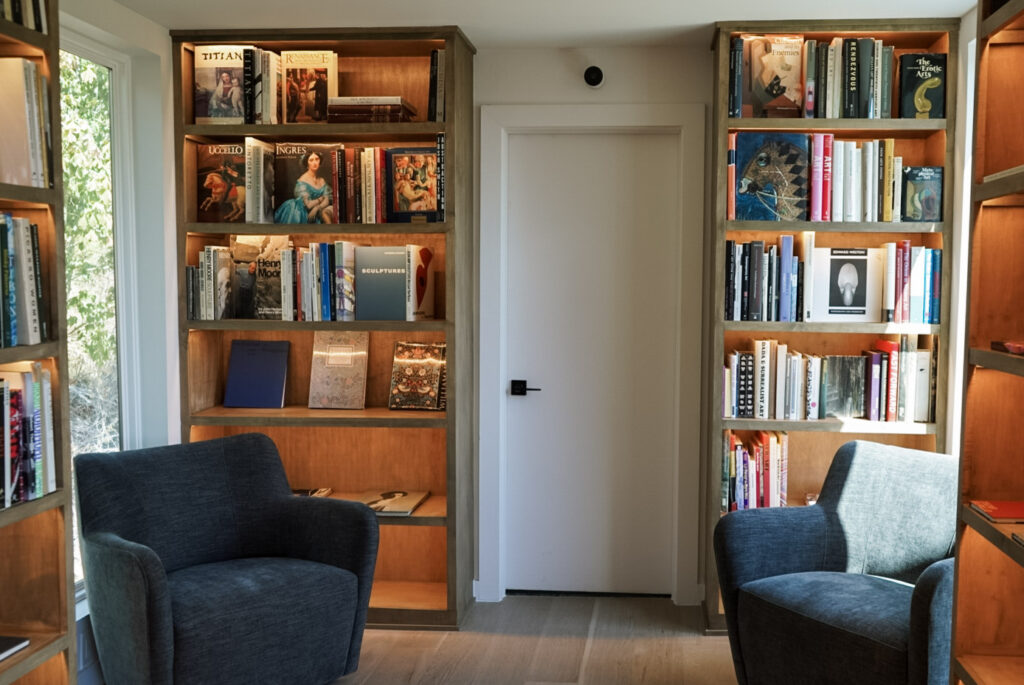
Ostillo also includes a public reading room with books on art, architecture and design. Although the books cannot be purchased or checked out, visitors may browse the collection, study or spend time in the library.
A forthcoming lecture series led by Jean Capeille, Ostillo’s director of exhibitions, will explore connections between art history, popular culture and entertainment. Inspired by Capeille’s doctoral research on American vaudeville, each lecture will conclude with a guided exhibition tour.
The foundation also plans to build an outdoor amphitheater that will host the Eastside Kings Festival and other live music performances, connecting the property to East Austin’s musical history.
Ostillo is located at 2600 Rosewood Ave. Following its grand opening, the foundation will be open from 11 a.m. to 8 p.m. Fridays and 11 a.m. to 7 p.m. Saturdays and Sundays. Admission is free.
RELATED: More Than 80 Works by the Haas Brothers Are Coming to the Blanton Museum of Art